![Abhinav Gupta — Interdisciplinary Designer — [ LAB ]](http://images.squarespace-cdn.com/content/v1/69c1974850338f4e69f78956/37e4d318-8d3b-4564-8df9-1b31fcec7c2b/abhinav-lab_logo_v3.png?format=750w)








SPIF[fy]
testing and prototyping robotic fabrication for single-point incrementally formed zinc
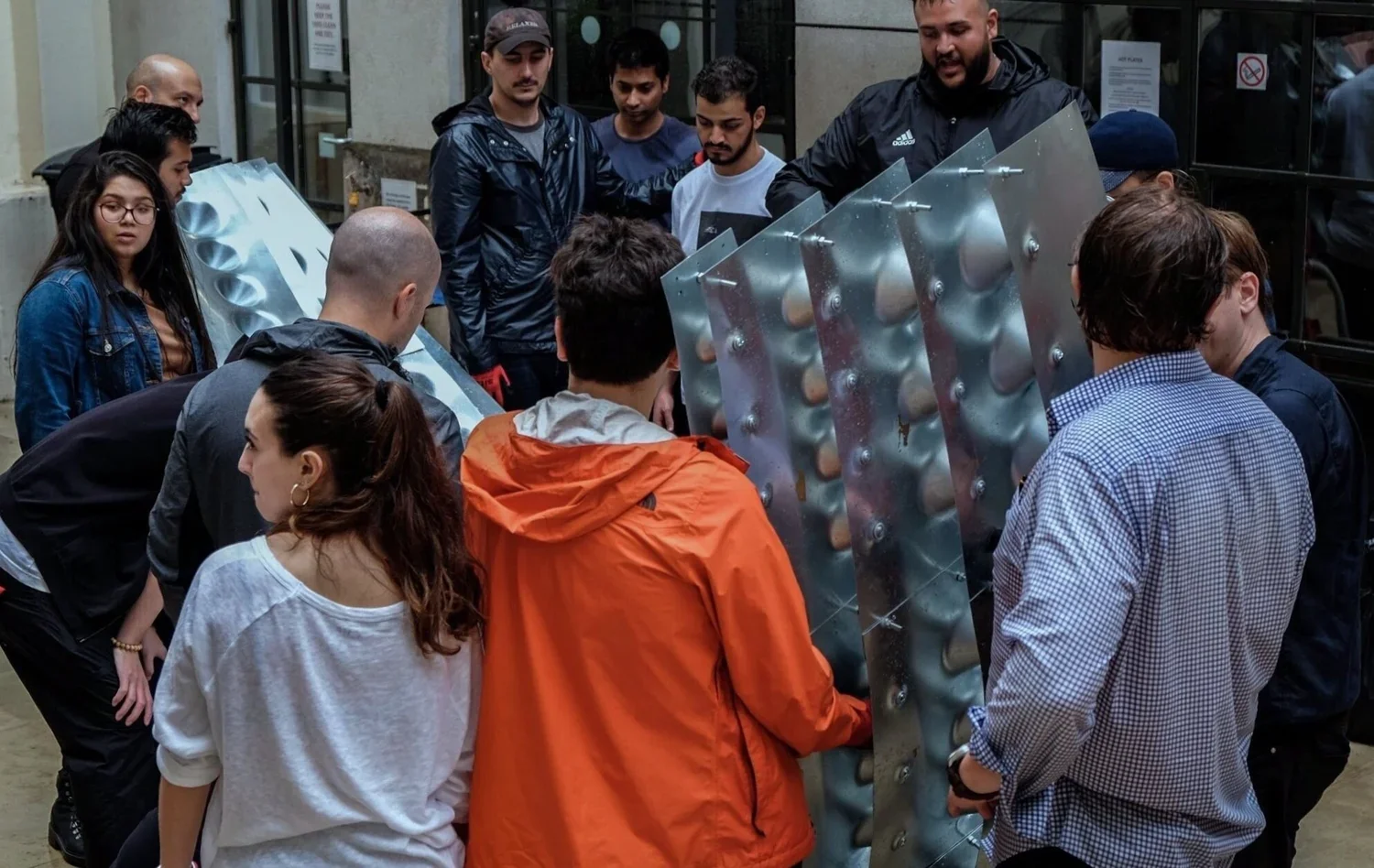
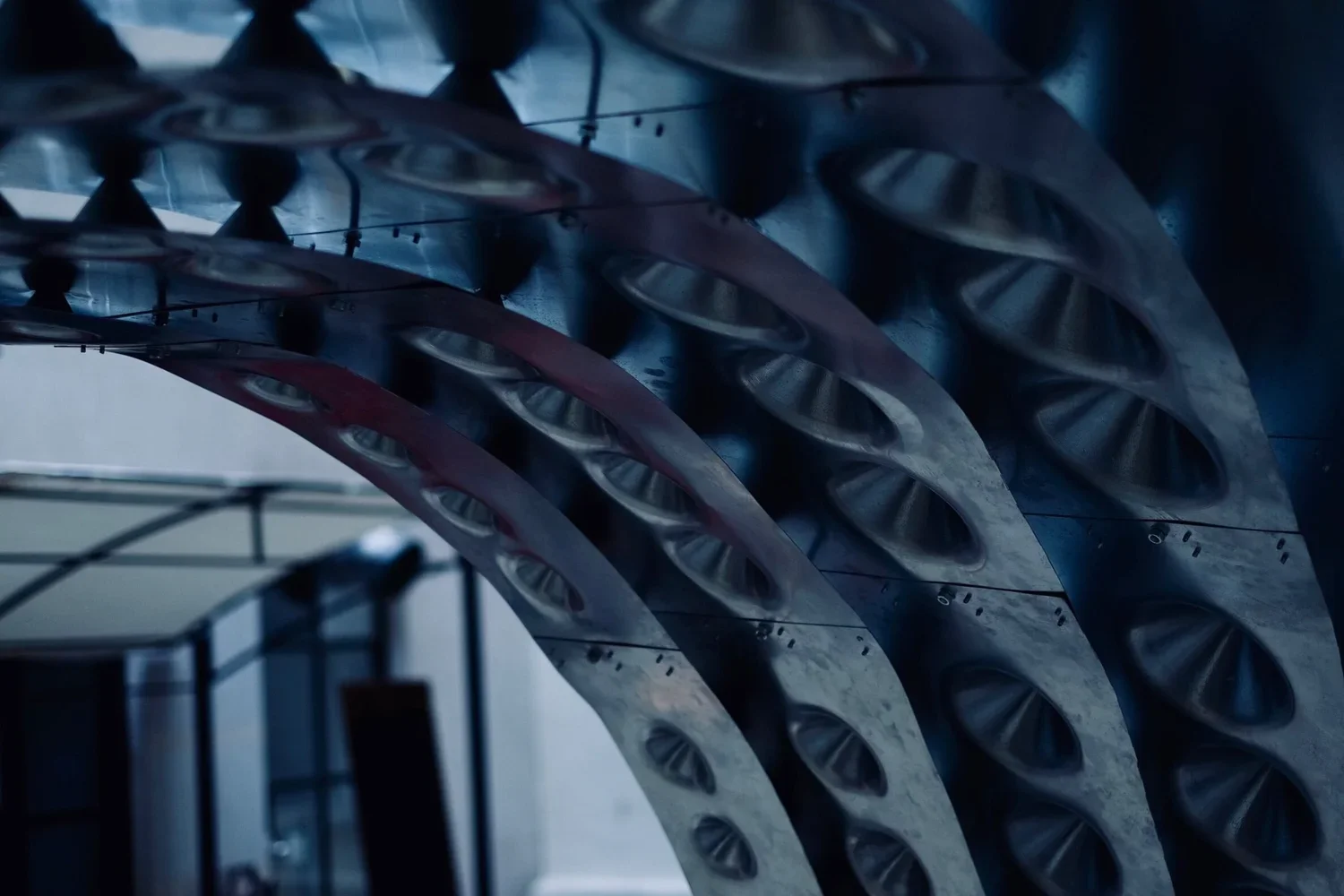
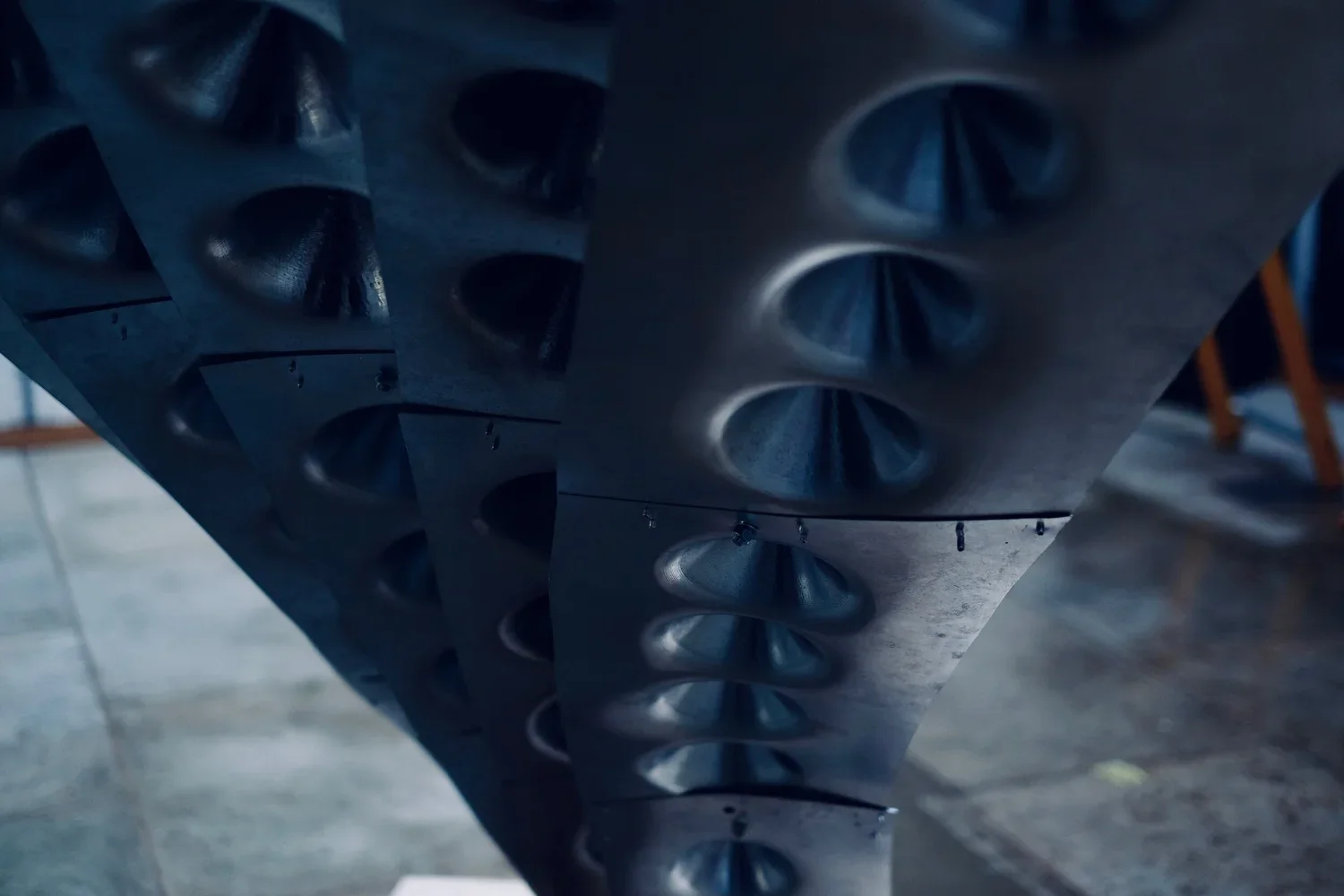
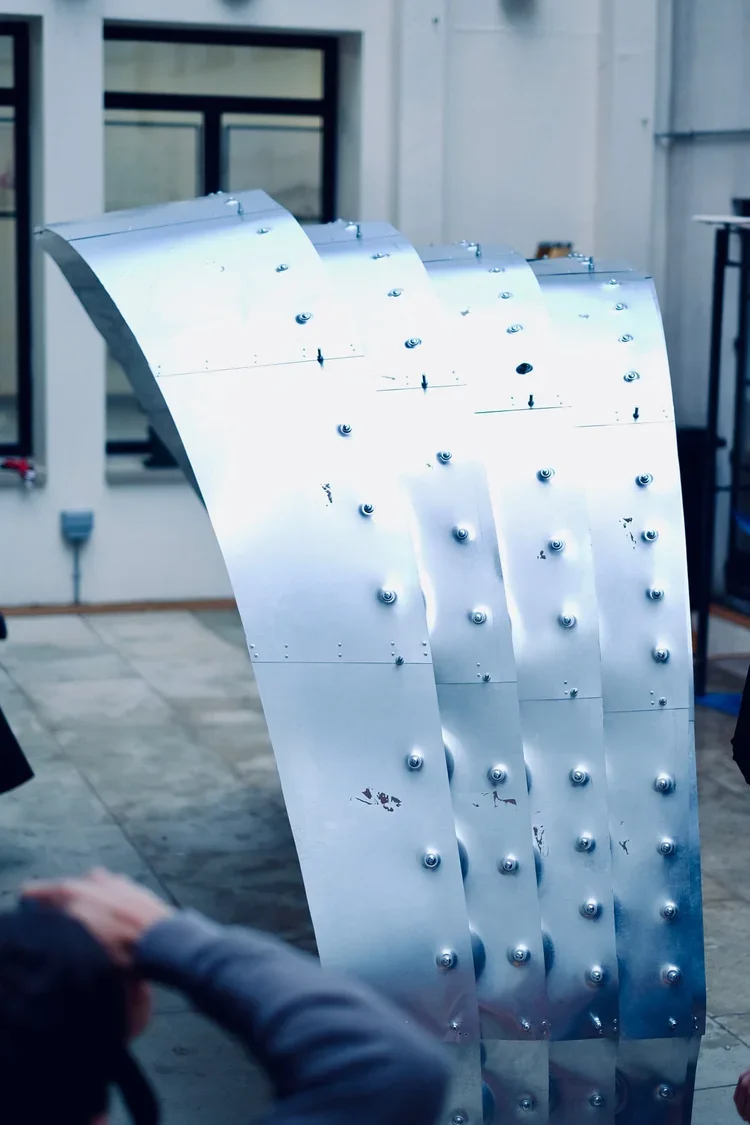
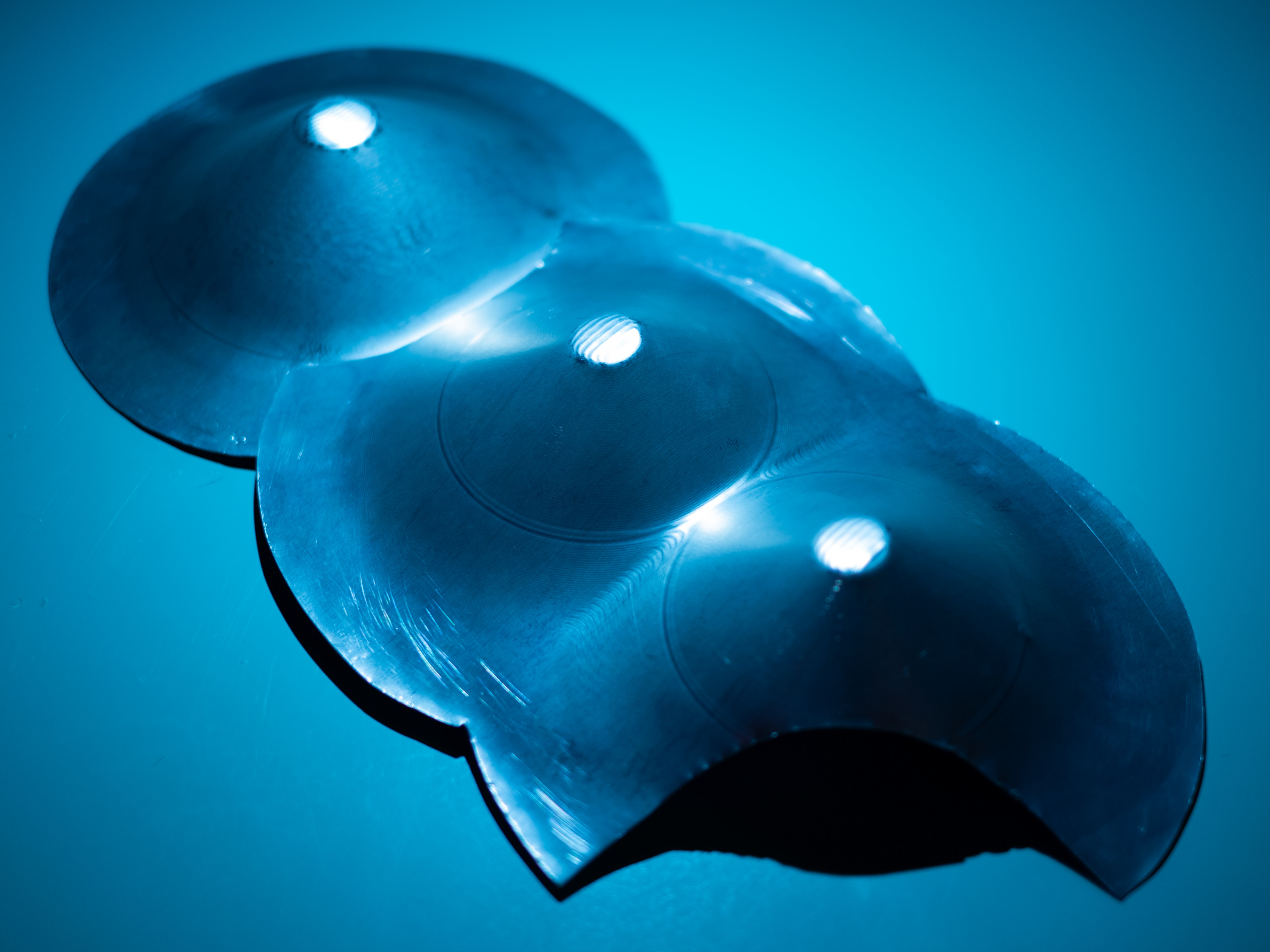
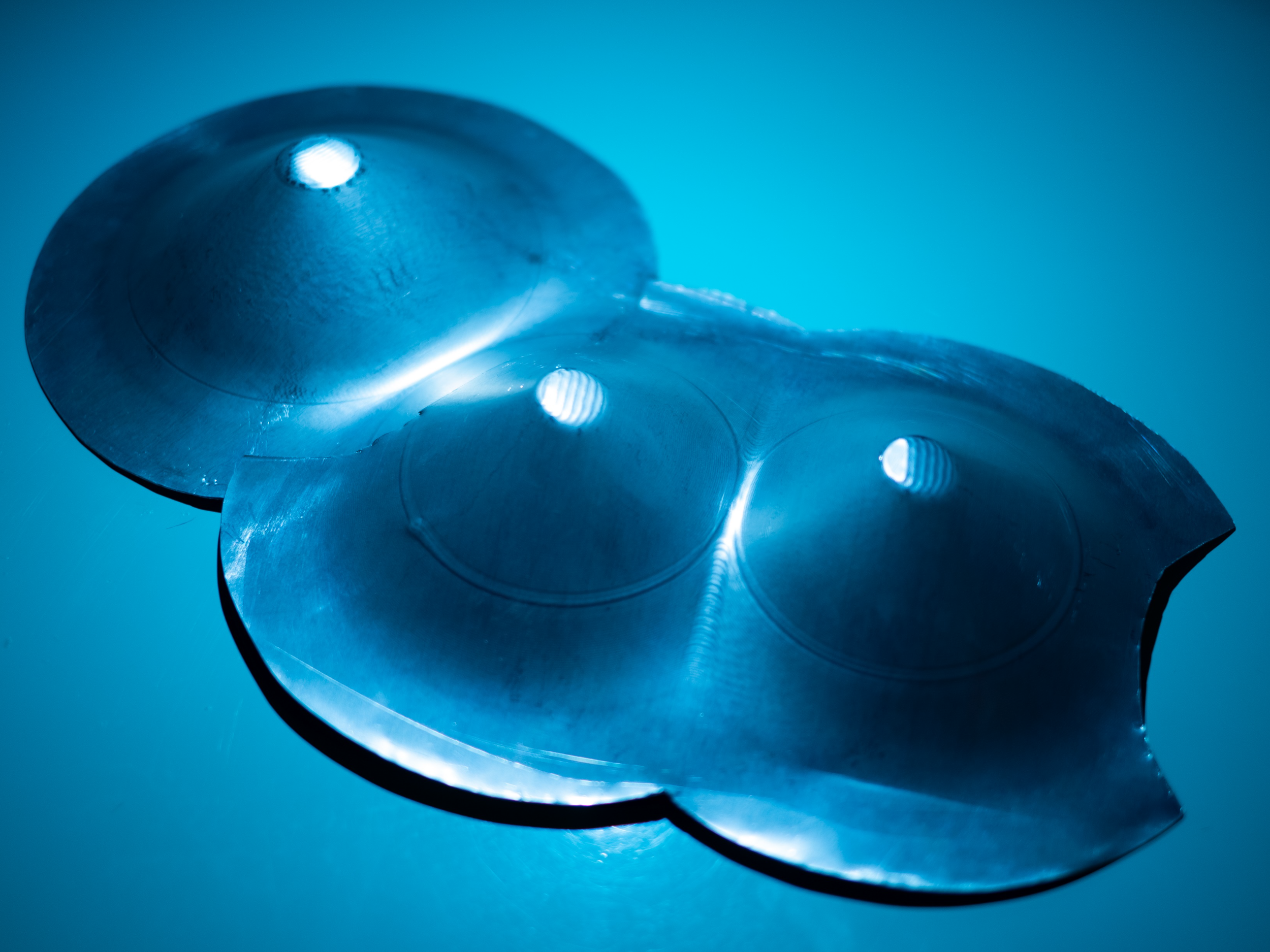
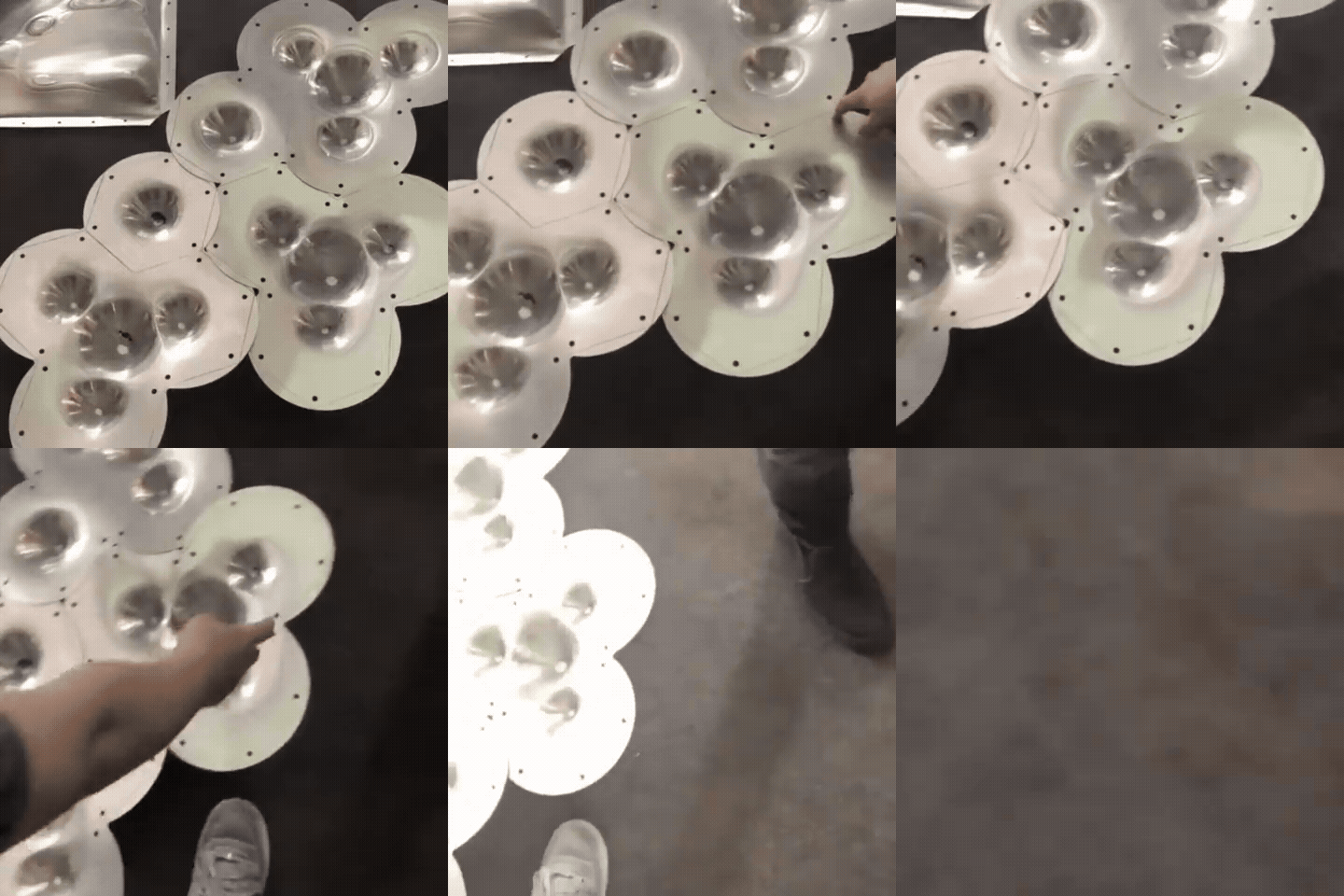
I joined the brilliant Architectural Association’s D-LAB for an intensive project with lots of scripting and robotic fabrication. The lab’s research was on robotic single-point incremental forming (known lovingly as SPIF), whereby the robot’s tool and tool path slowly apply force curve by curve to a single curve at a time to incrementally form sheets of a given material.
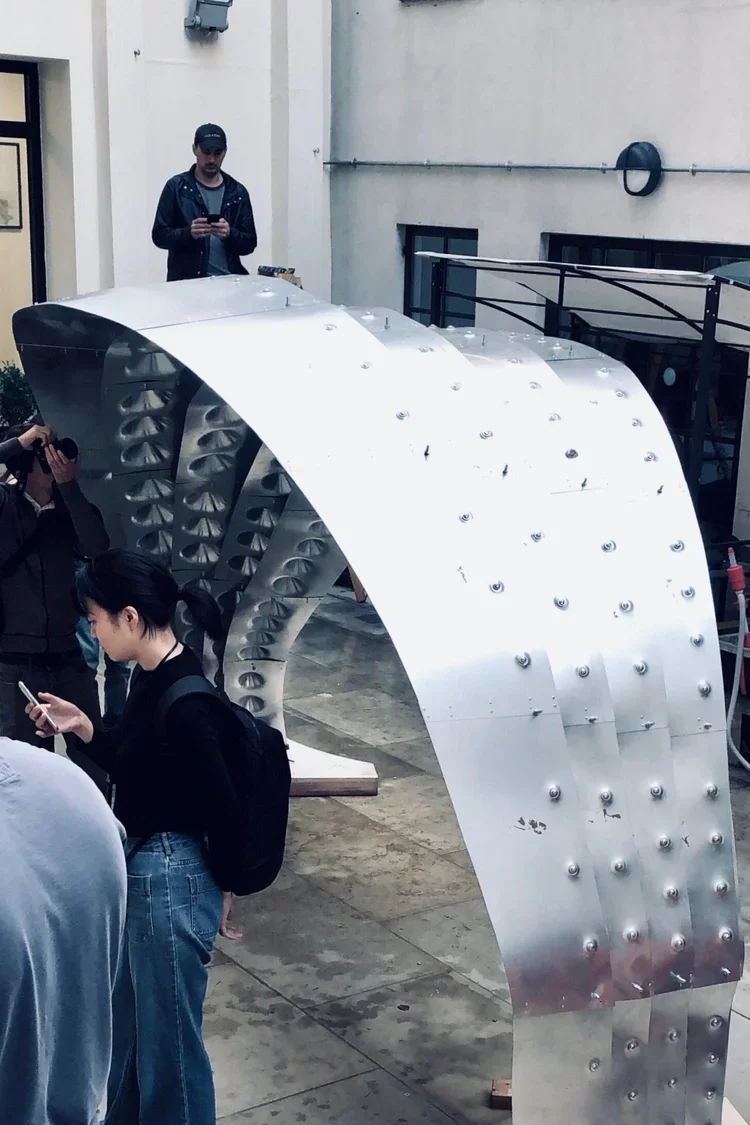
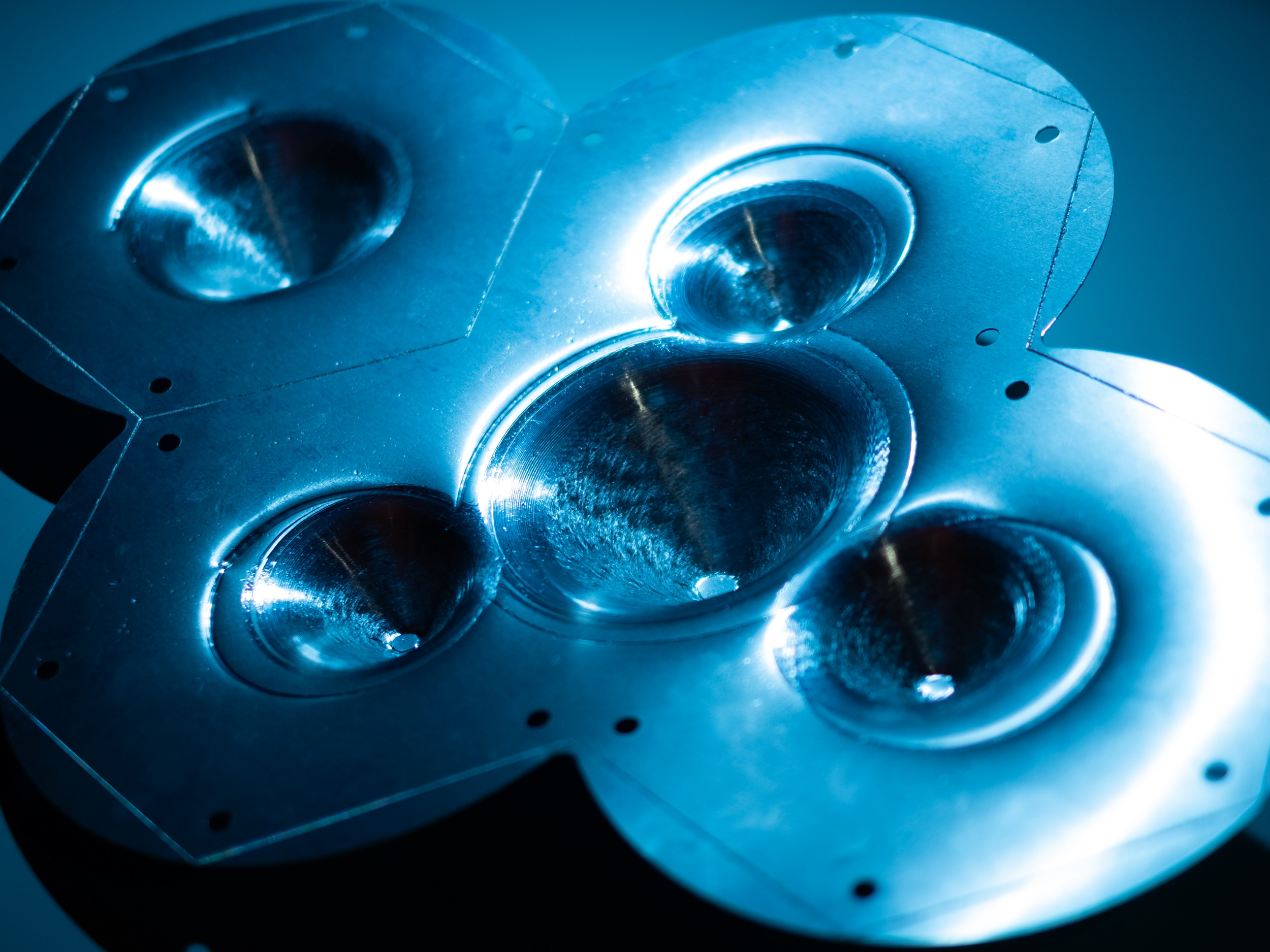
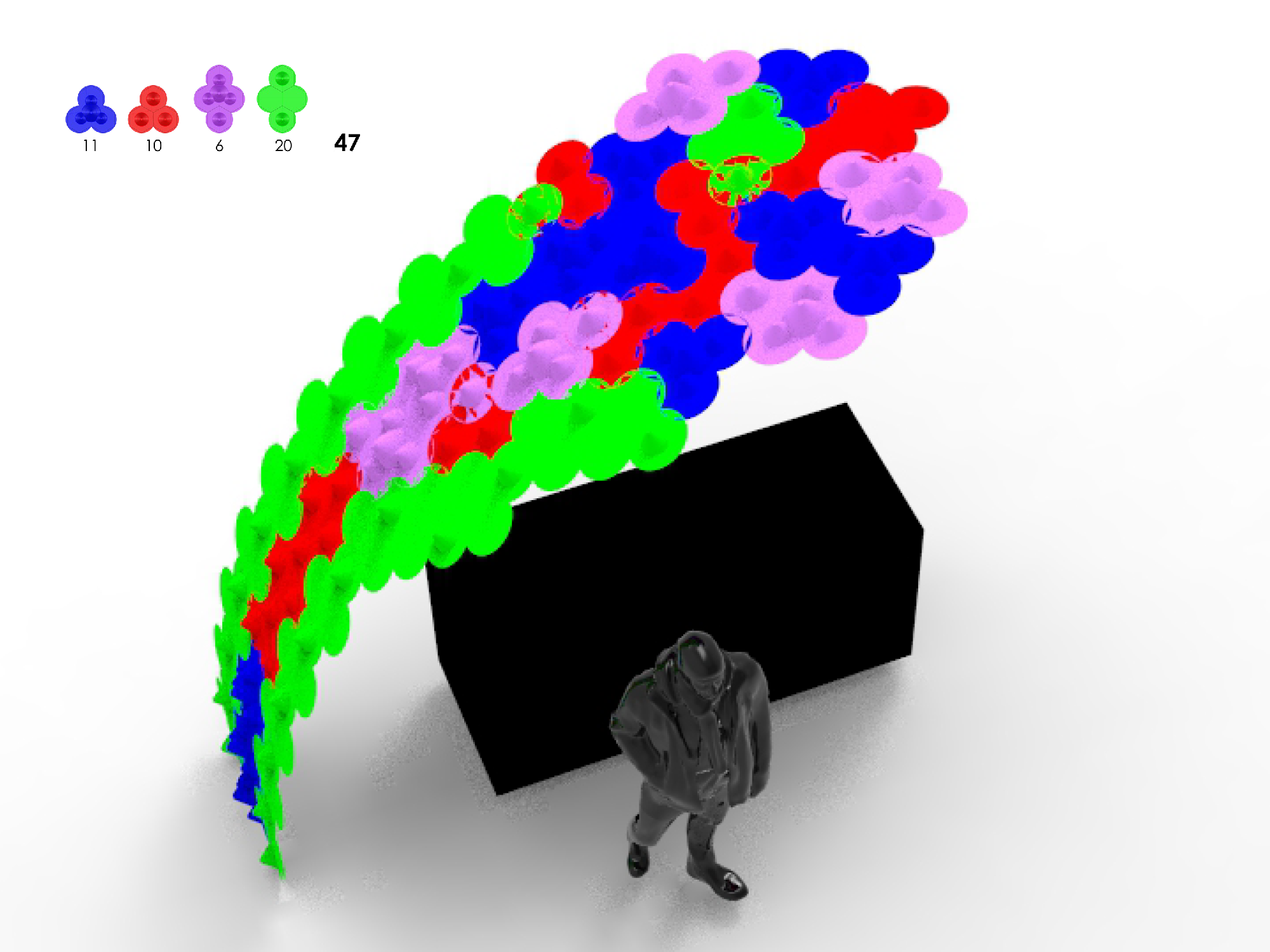
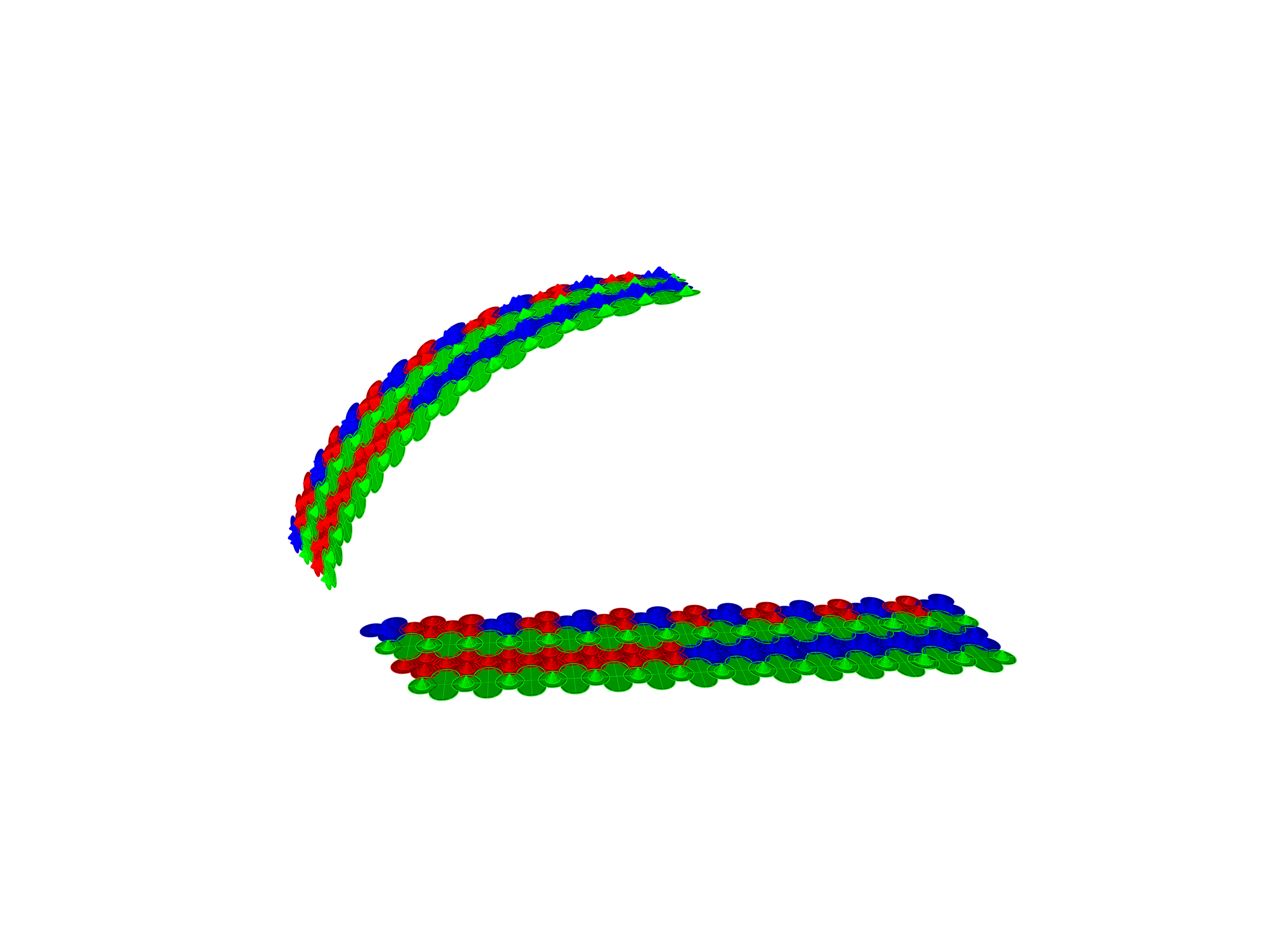
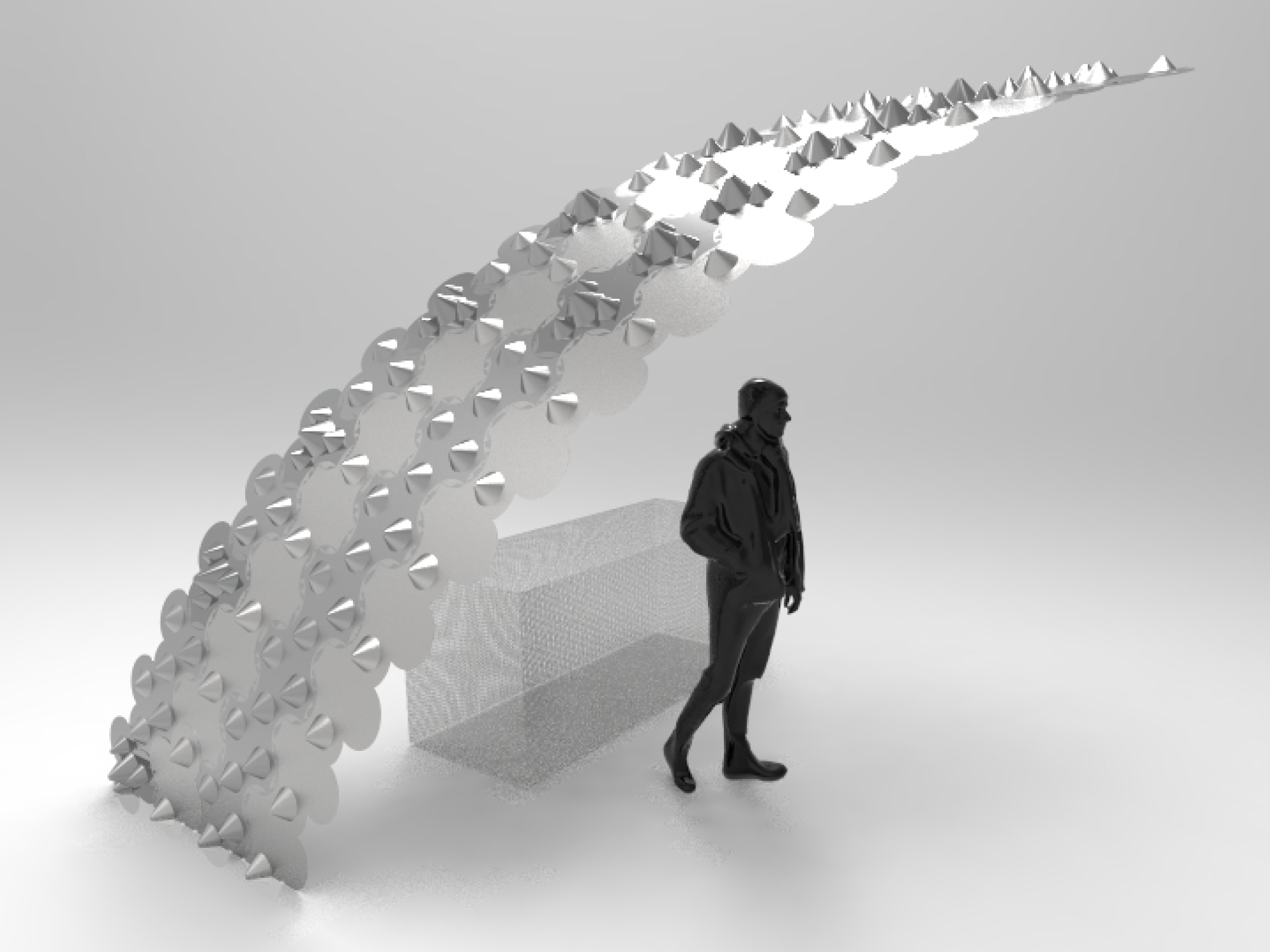
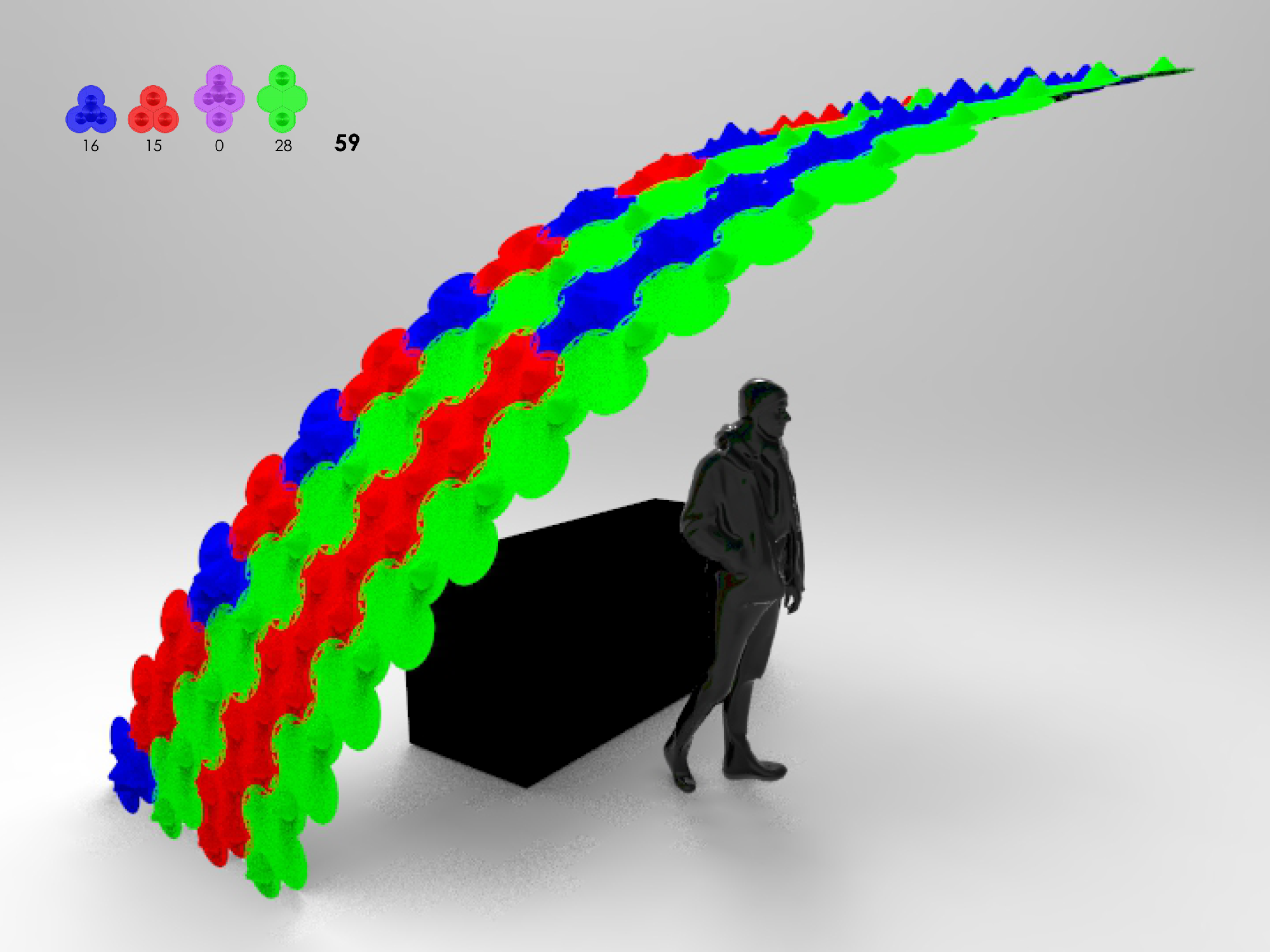
In this case, that material was none other than the readily available standby, zinc. The challenge of working with zinc is how soft it is; yet, that is a perfect condition for testing whether we could utilize SPIF to make rigid panels — and whether they would be amply rigid to build a panelized pavilion with it. Herein I made my greatest contribution — second only to what I contribute in always motivating my peers — that utilizing bubbles/ clustered bubbles for the geometries for SPIF would create arches whereby the forces would create rigidity. More, one could control the rigidity in different areas by clustering them either closer or farther apart.
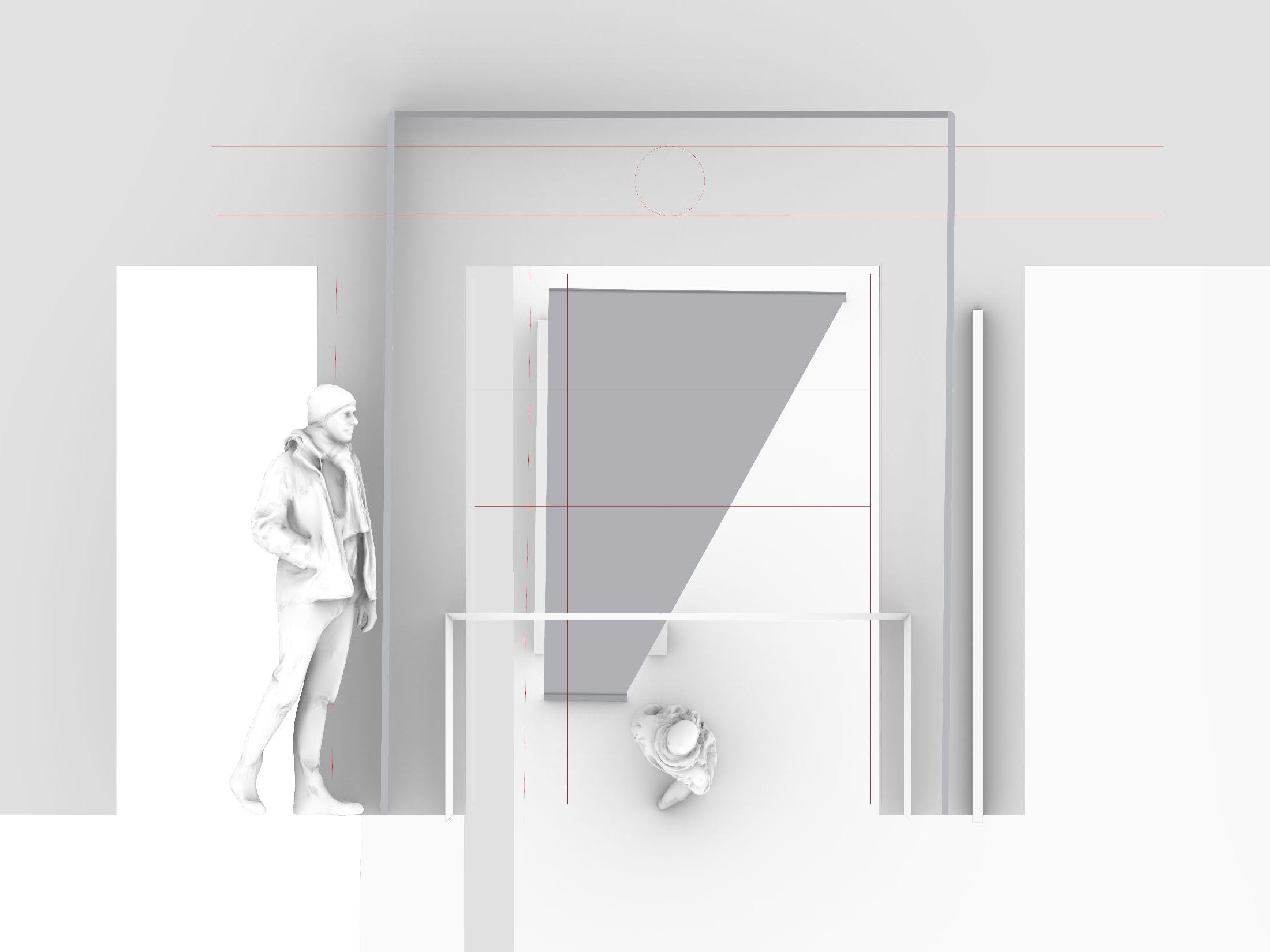
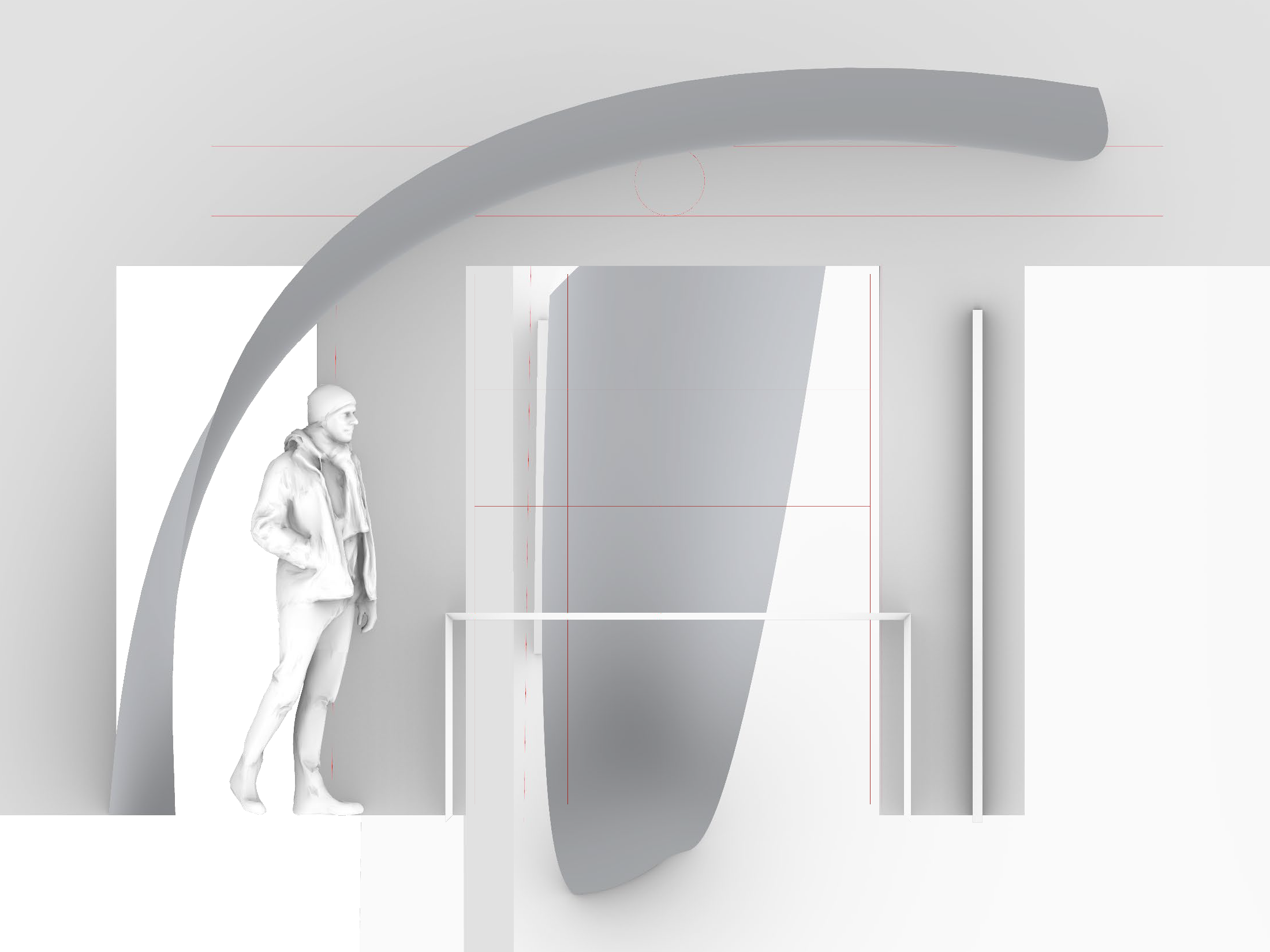
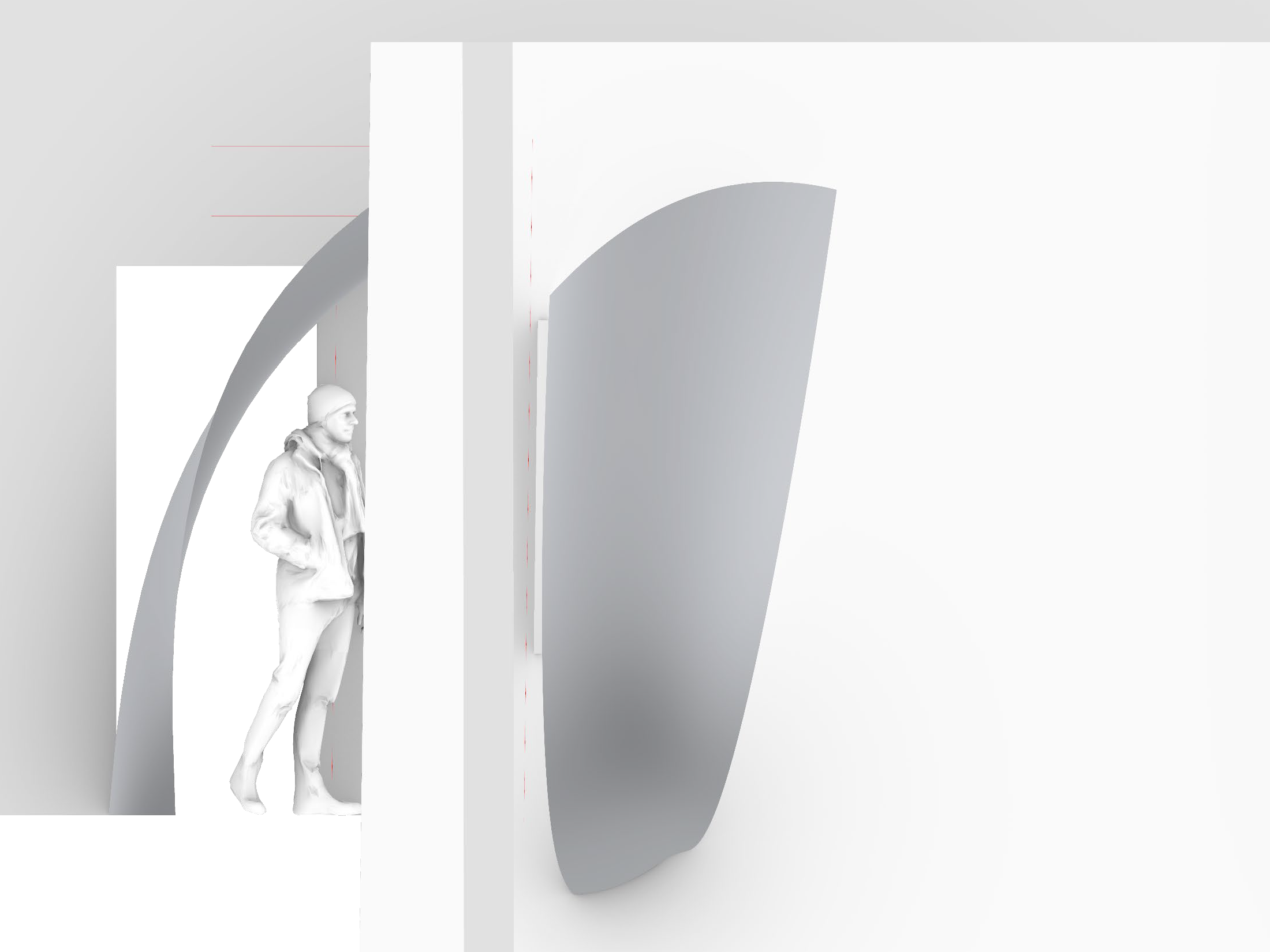
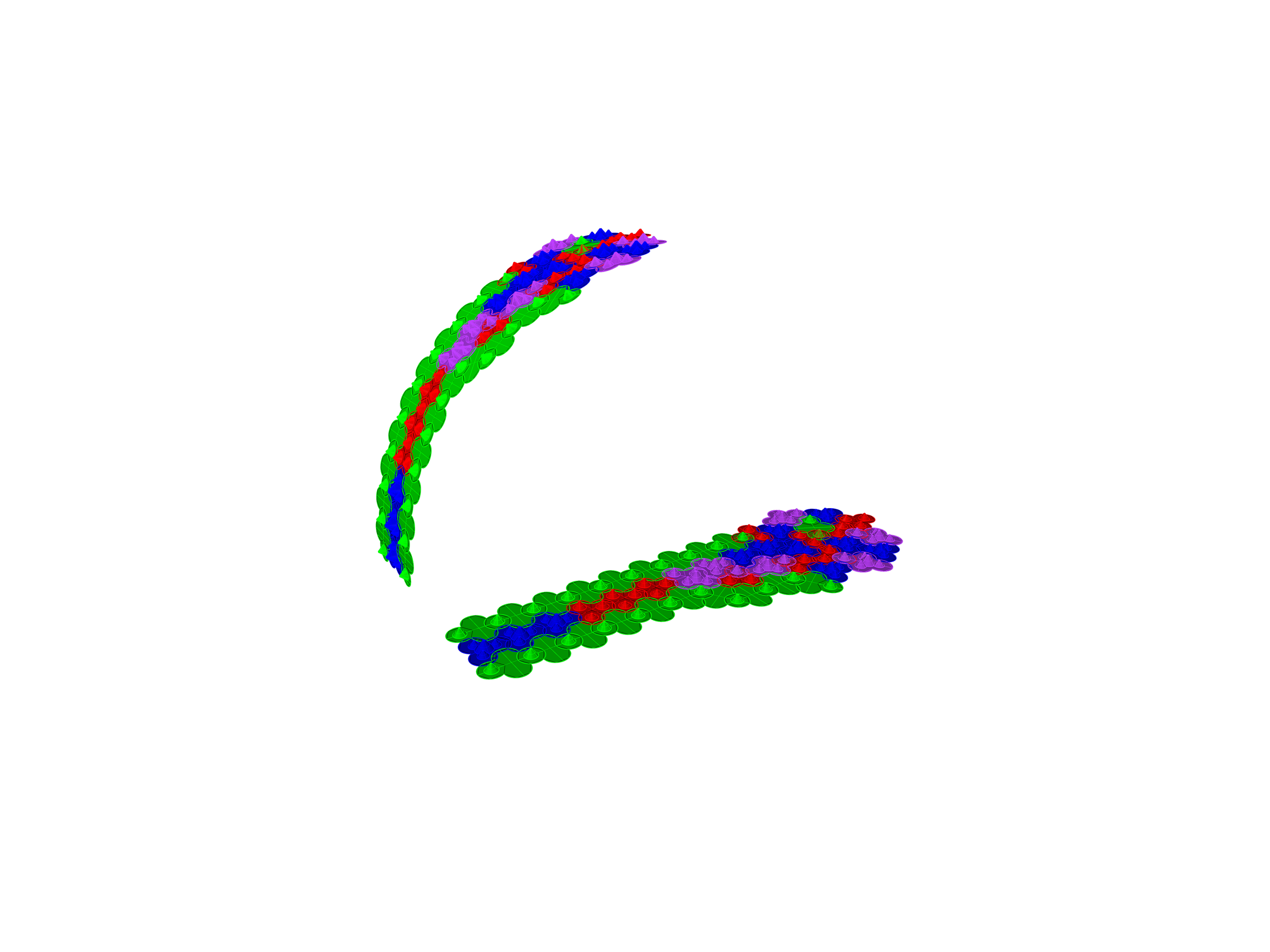
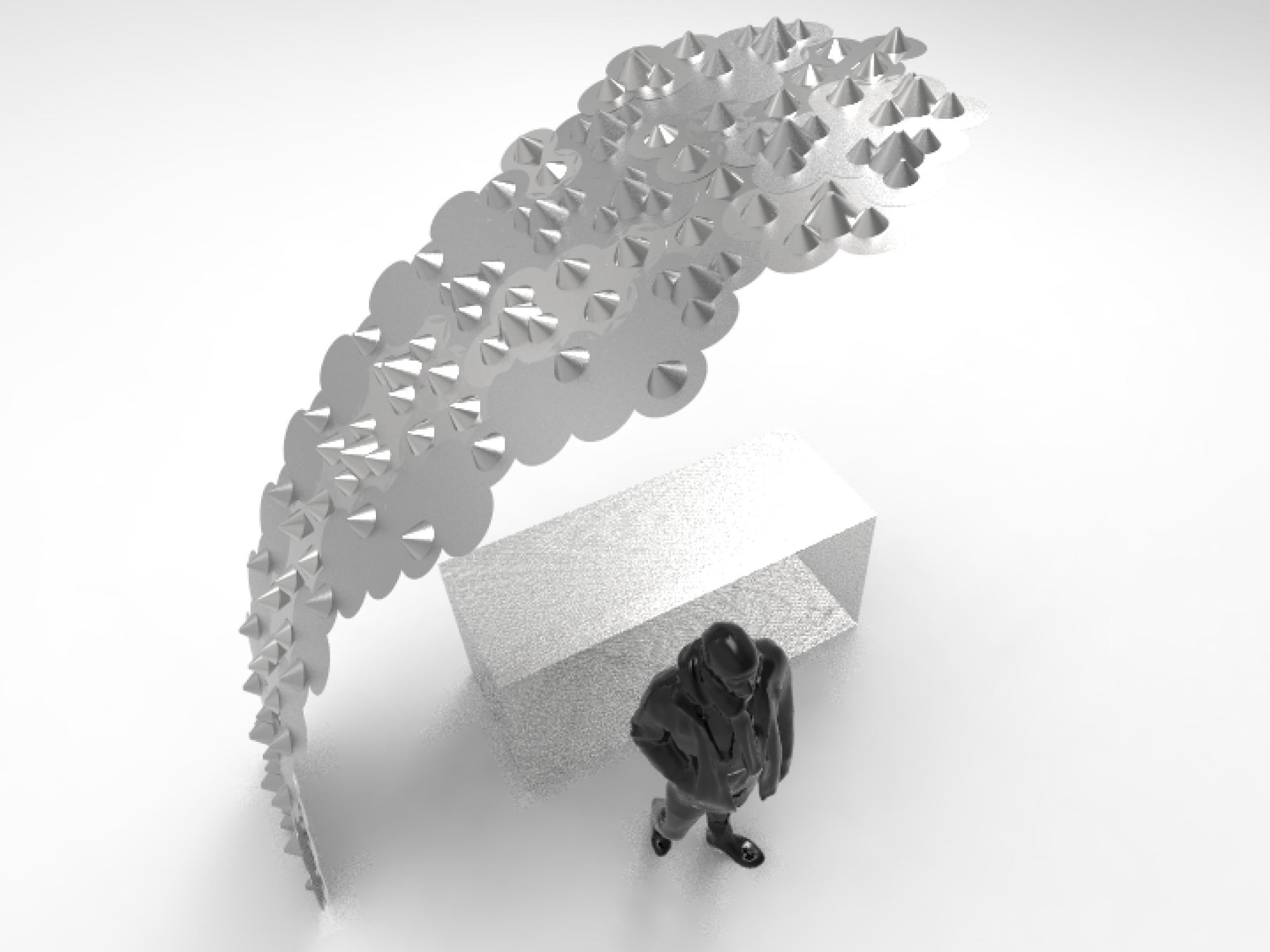
With that, we worked together to create different geometries; that is, local geometries (panel) and overarching geometries (pavilion), and we — along with our robot friends — designed, built, and opened a pavilion that proved the practical possibilities of SPIF — and provided shelter from the London rain in the exhibition area.