![Abhinav Gupta — Interdisciplinary Designer — [ LAB ]](http://images.squarespace-cdn.com/content/v1/69c1974850338f4e69f78956/37e4d318-8d3b-4564-8df9-1b31fcec7c2b/abhinav-lab_logo_v3.png?format=750w)
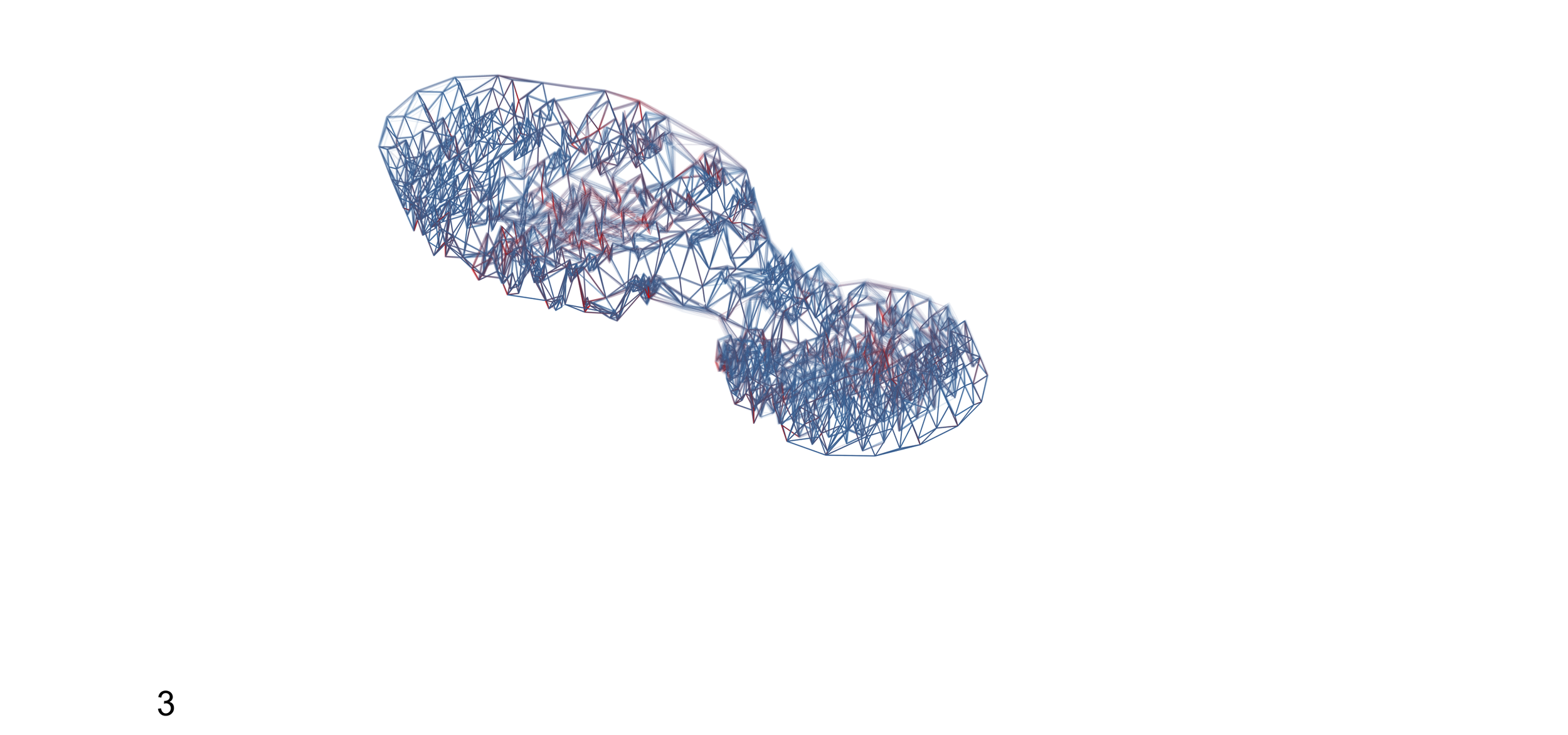
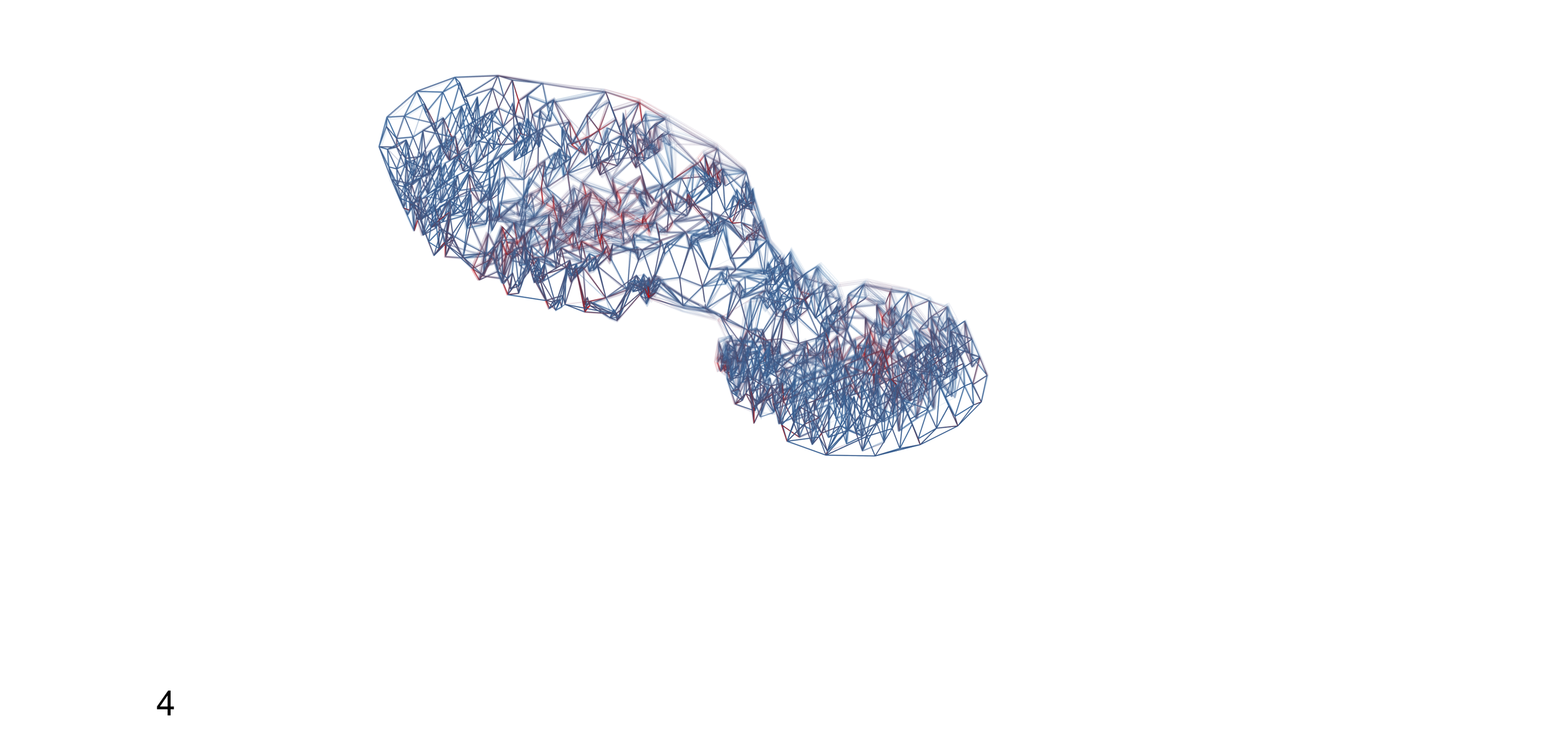
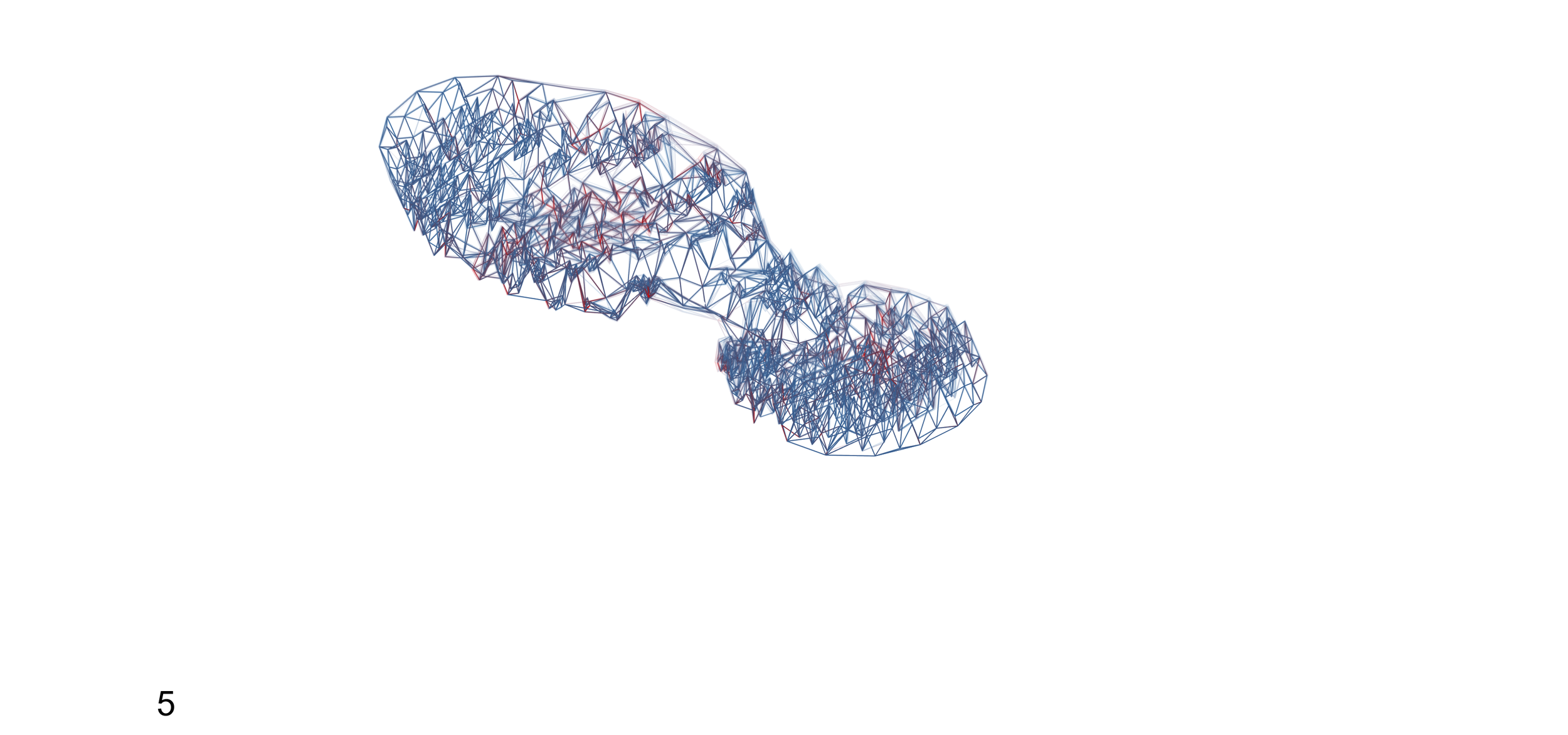
run/script/run
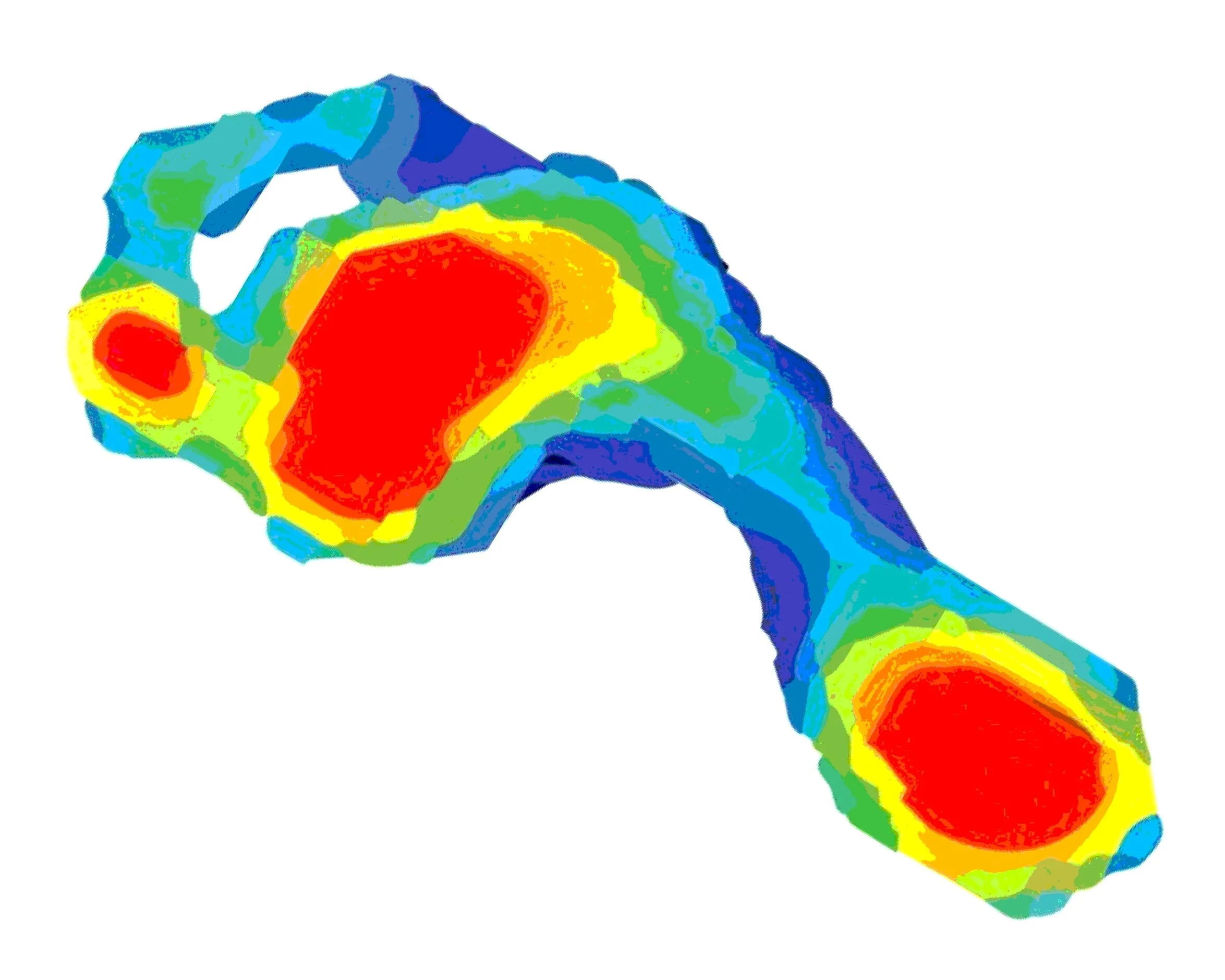
developing processes for 3D-printing corrective orthotic running shoes at home using generic foot analysis pad scans
Now gaining more and more traction, we are officially at the advent of 3D-printing shoes – more specifically, 3D-printing shoe soles. With almost every big brand in performance/ performance athletics dedicating funding to 3D-printing shoes and how they may bolster performance, we find more people involved in these processes. Collecting data from athletes’ bodies and motions, whether or not these big brands collect and analyze data from thousands of athletes, does not really yield the most promising possibilities pertaining to 3D-printing; while big companies are searching for decreases in cost in mass-manufacturing they are vested in, the beautiful thing about 3D-printing is more in its potential for mass-customization — and bringing more than sponsored athletes the capacity for truly custom podiatric care, sizing, and performance analysis to everybody.
While customization at this person-by-person level exists with how podiatrists read foot pressure point mapping, via foot pressure pads or by casting the foot, computation becoming a part of that flow has never really moved beyond that. These readings usually go to the insole manufacturer, and the insoles go to the customer. As anybody with orthotics could note: while orthotics should theoretically slide into any pair of shoes, orthotics slide amidst the foot and the shoe as they do not quite conform to the form of any pair of shoes. Moreover, orthotics are extremely expensive — in fact, they are more expensive than the most coveted mass-manufactured 3D-printed shoe to date, the Adidas ‘4D’ line. Also, while foams (not in orthotics, but in running shoe soles themselves) can be formed for stiffened rigid plates — as in the best-performing mass-manufactured running shoe now, the Nike Vaporfly Next% — foams come with the paining property of diminishing energy-return (losing how ‘springy’ a running shoe is) amid a run, and worse: deterioration amid the lifecycle of the sole, with many finding the Nike Vaporfly Next% deteriorating before even average mileage.
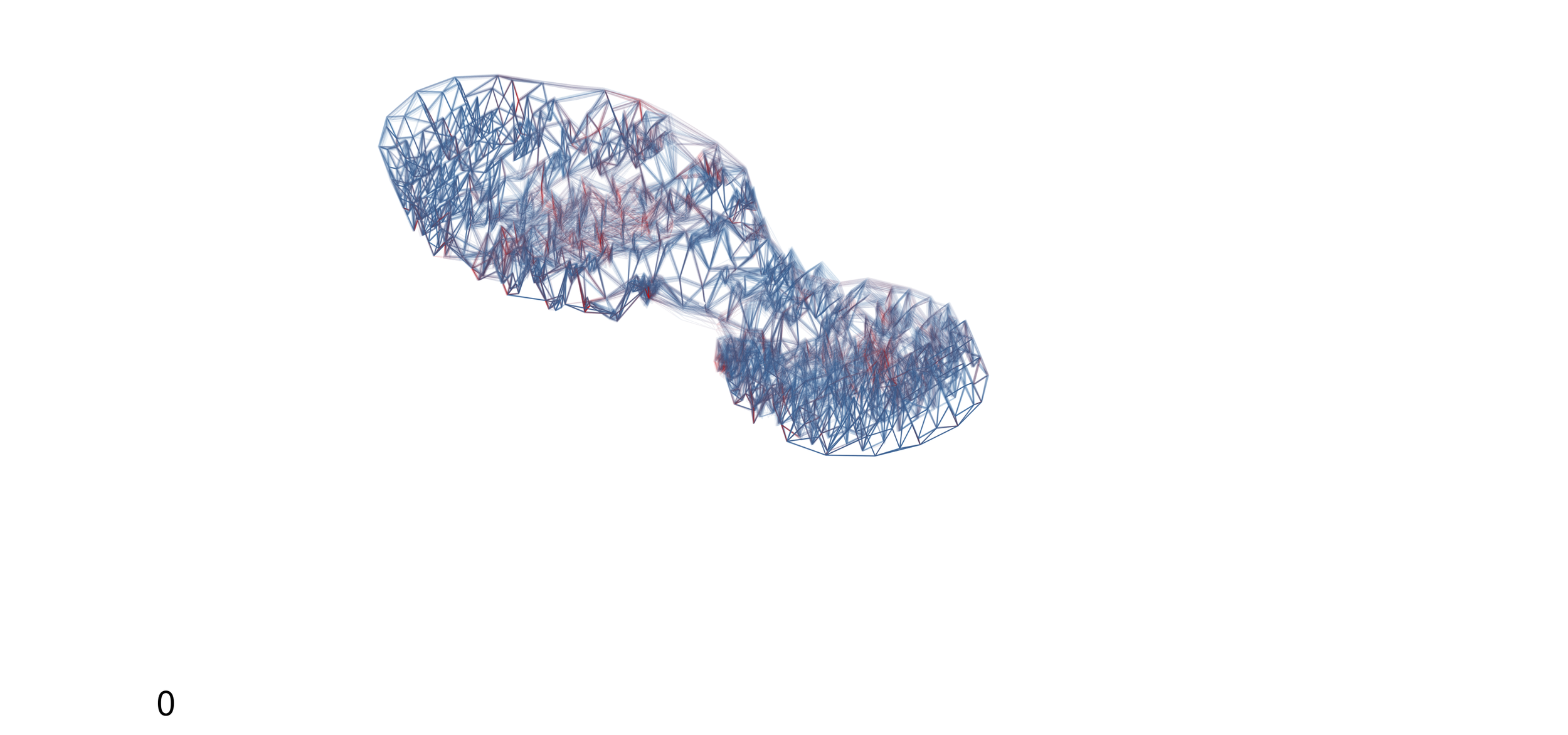
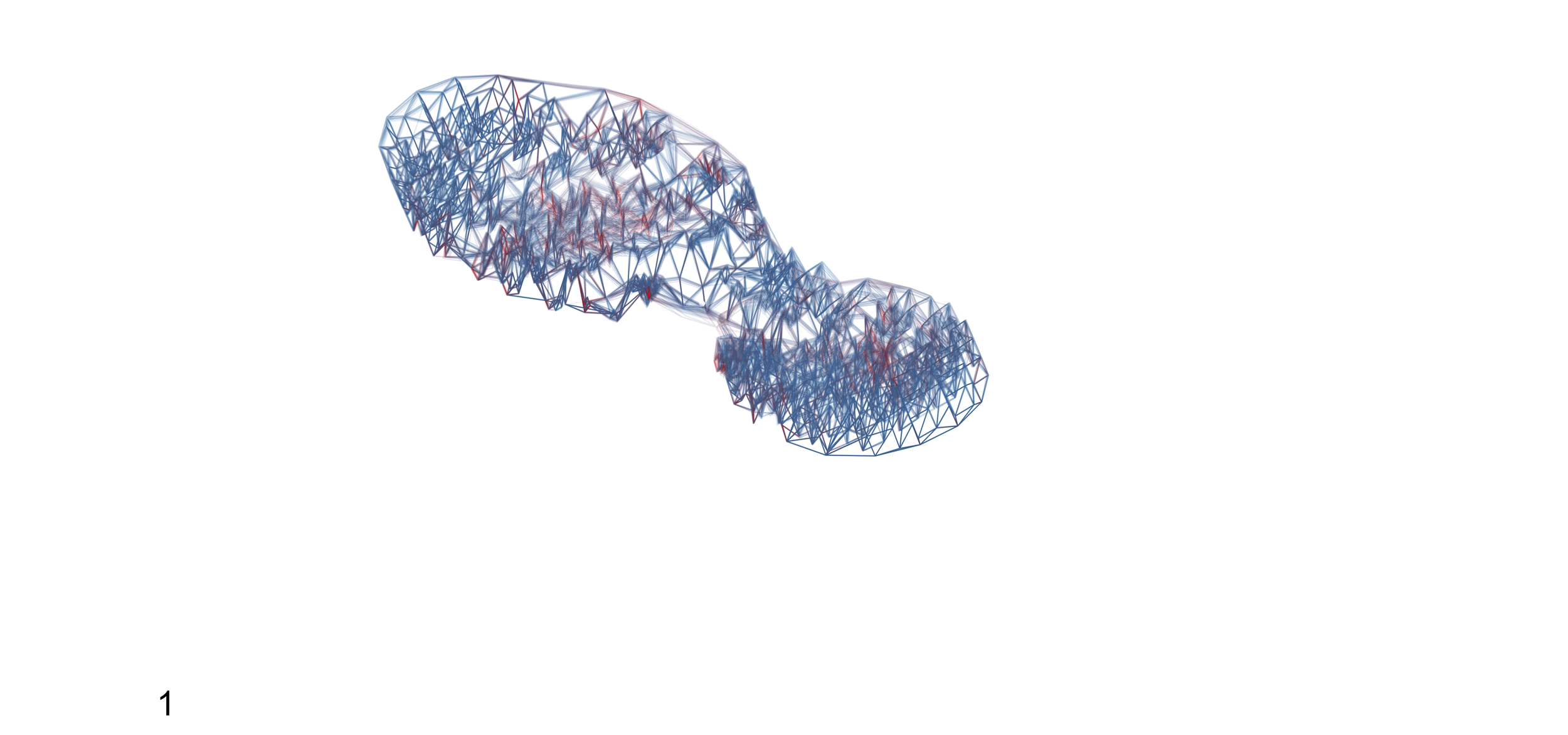
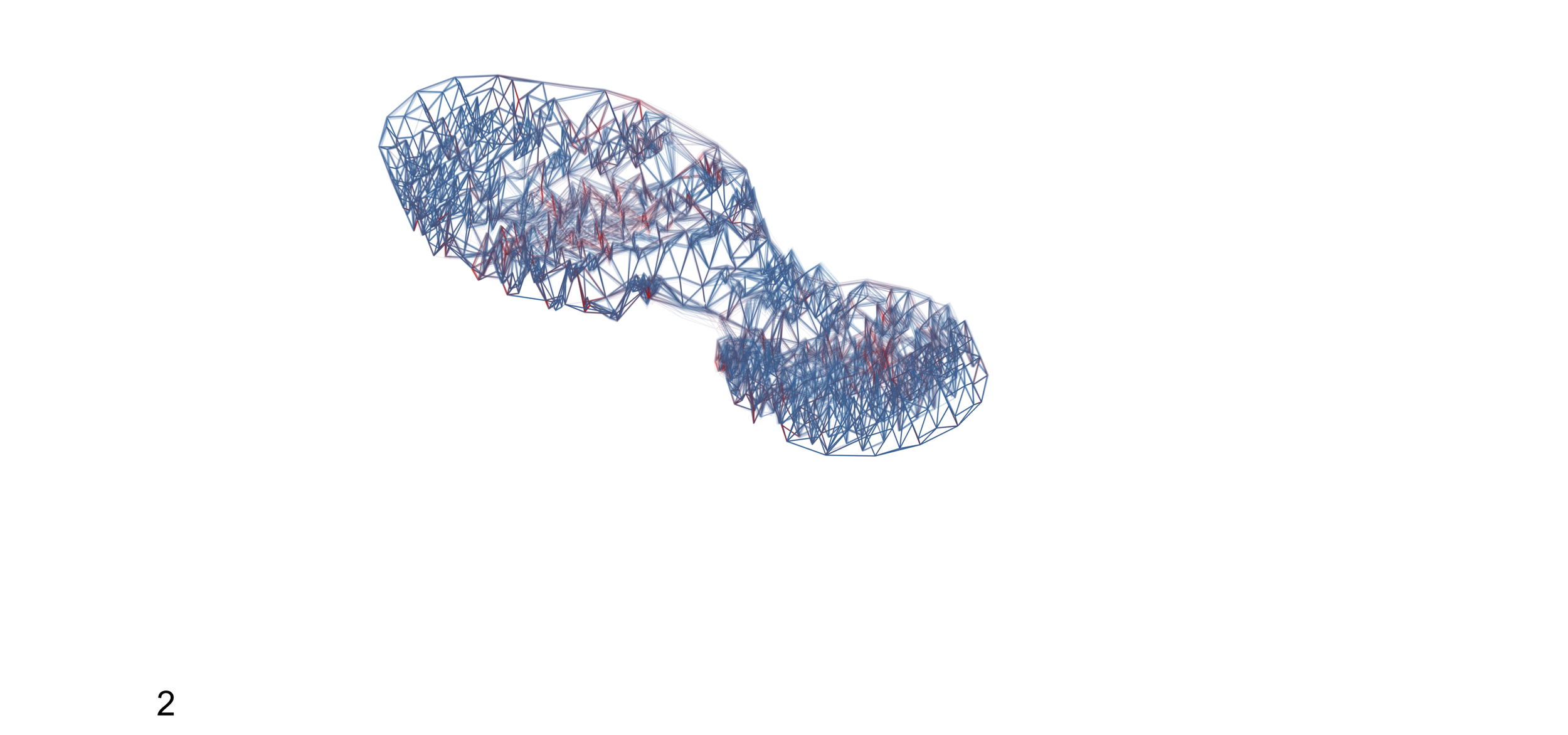
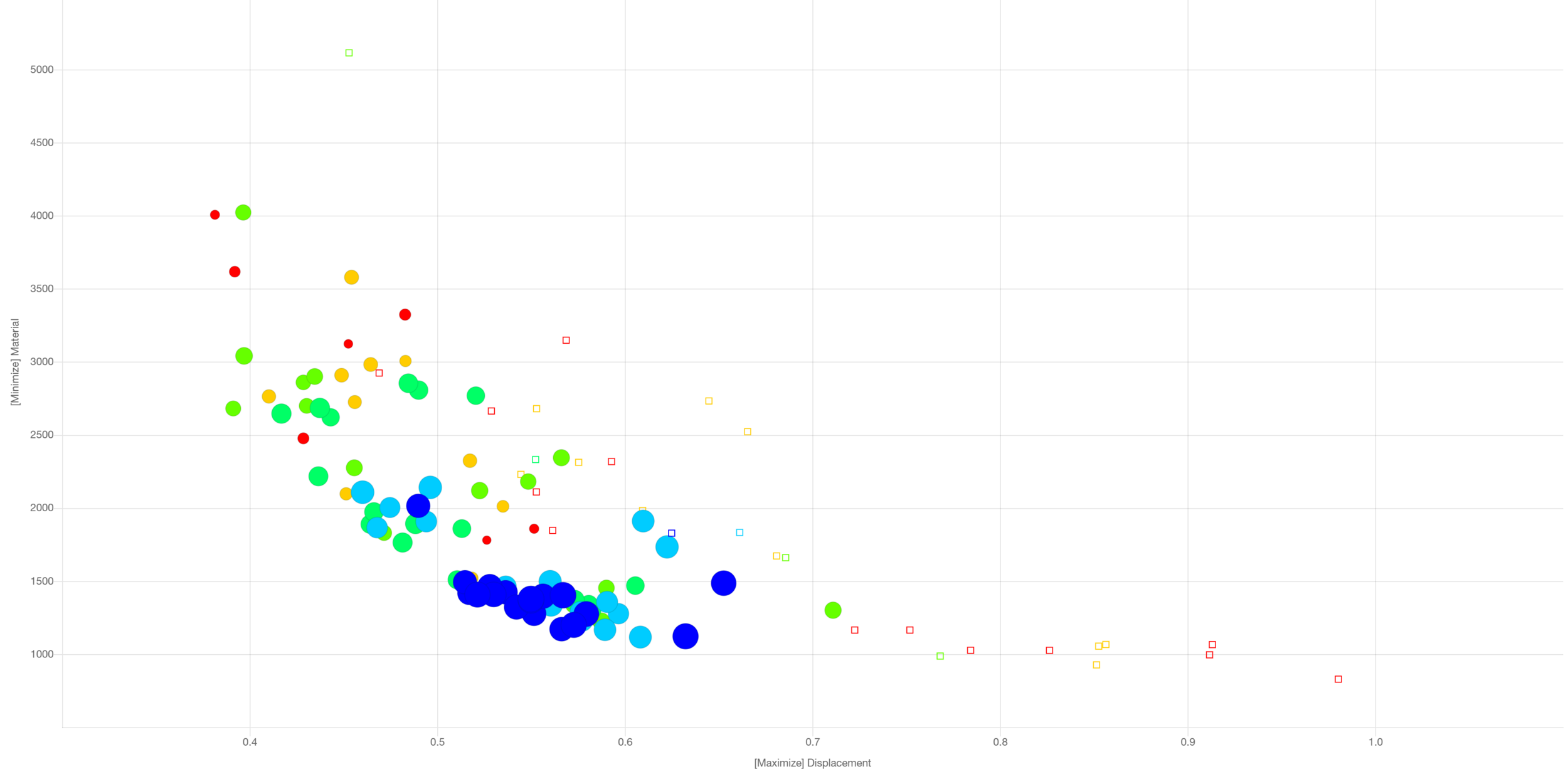
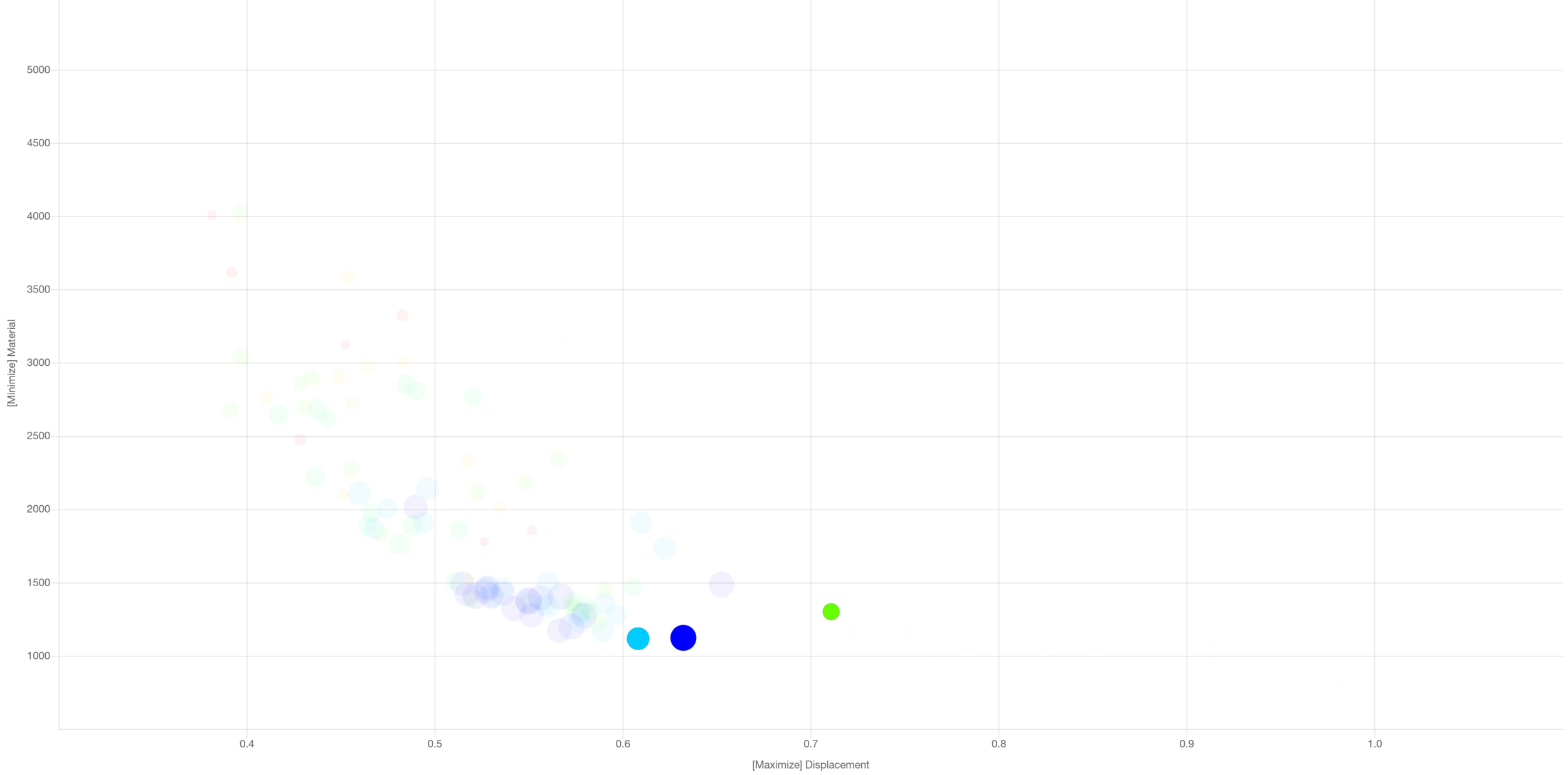
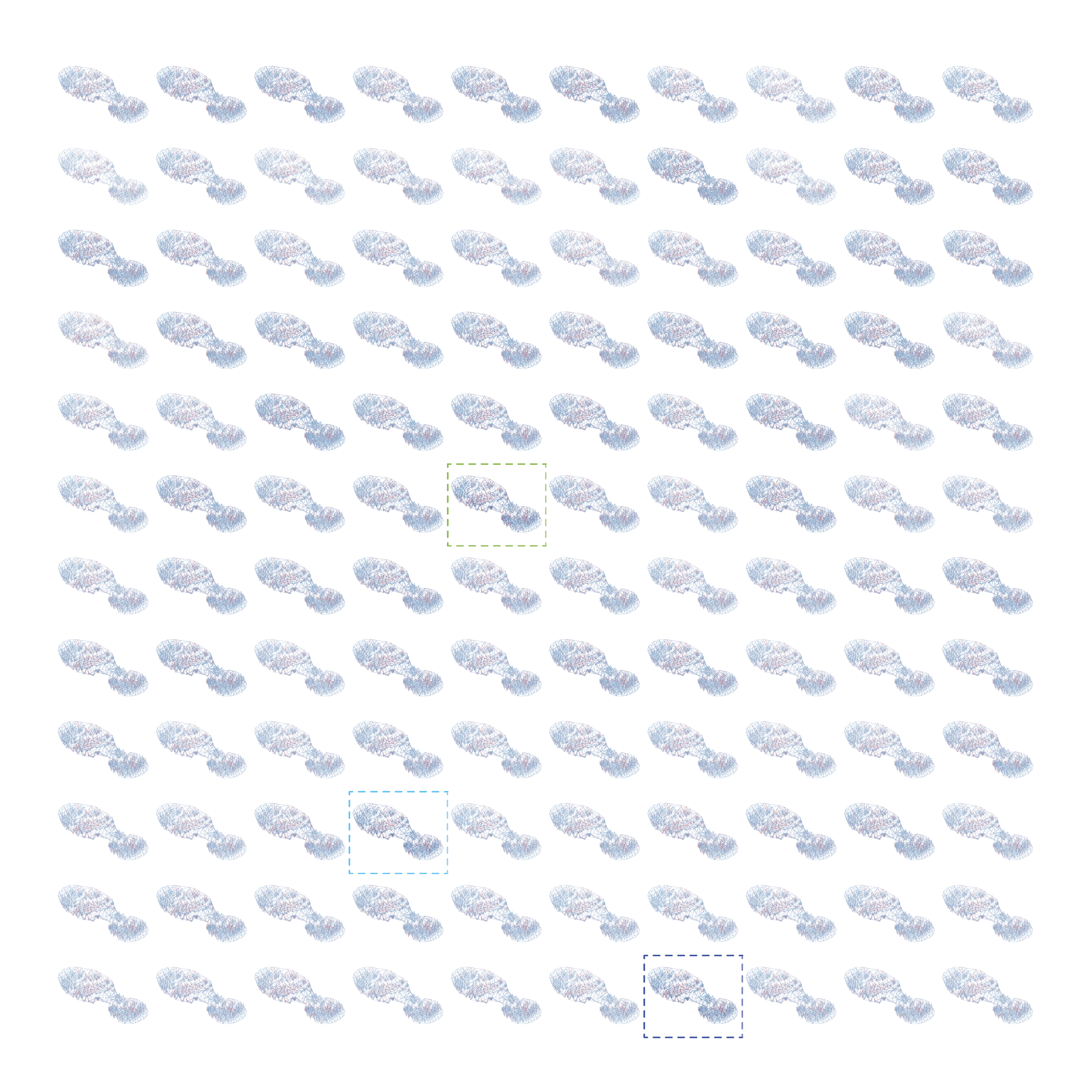
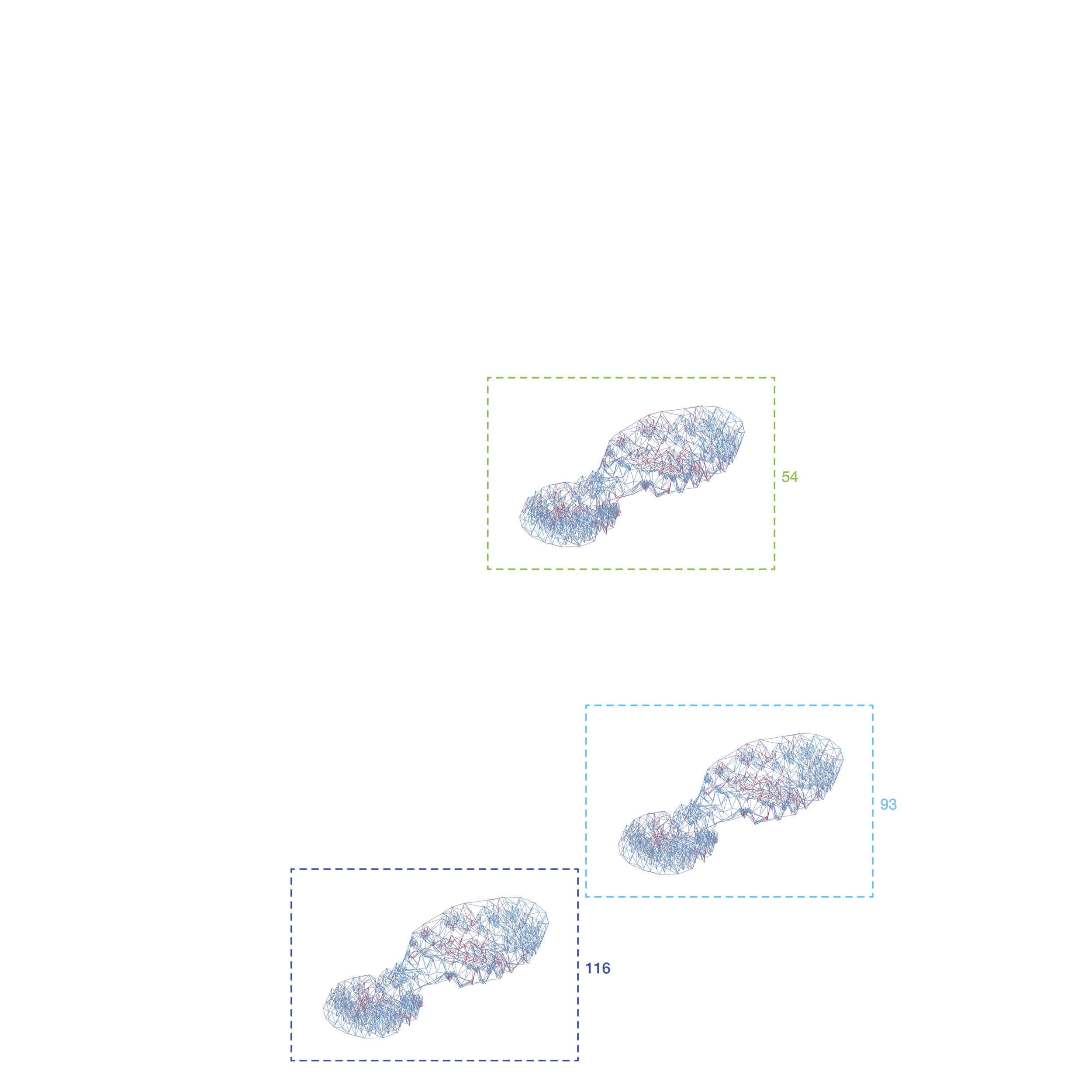
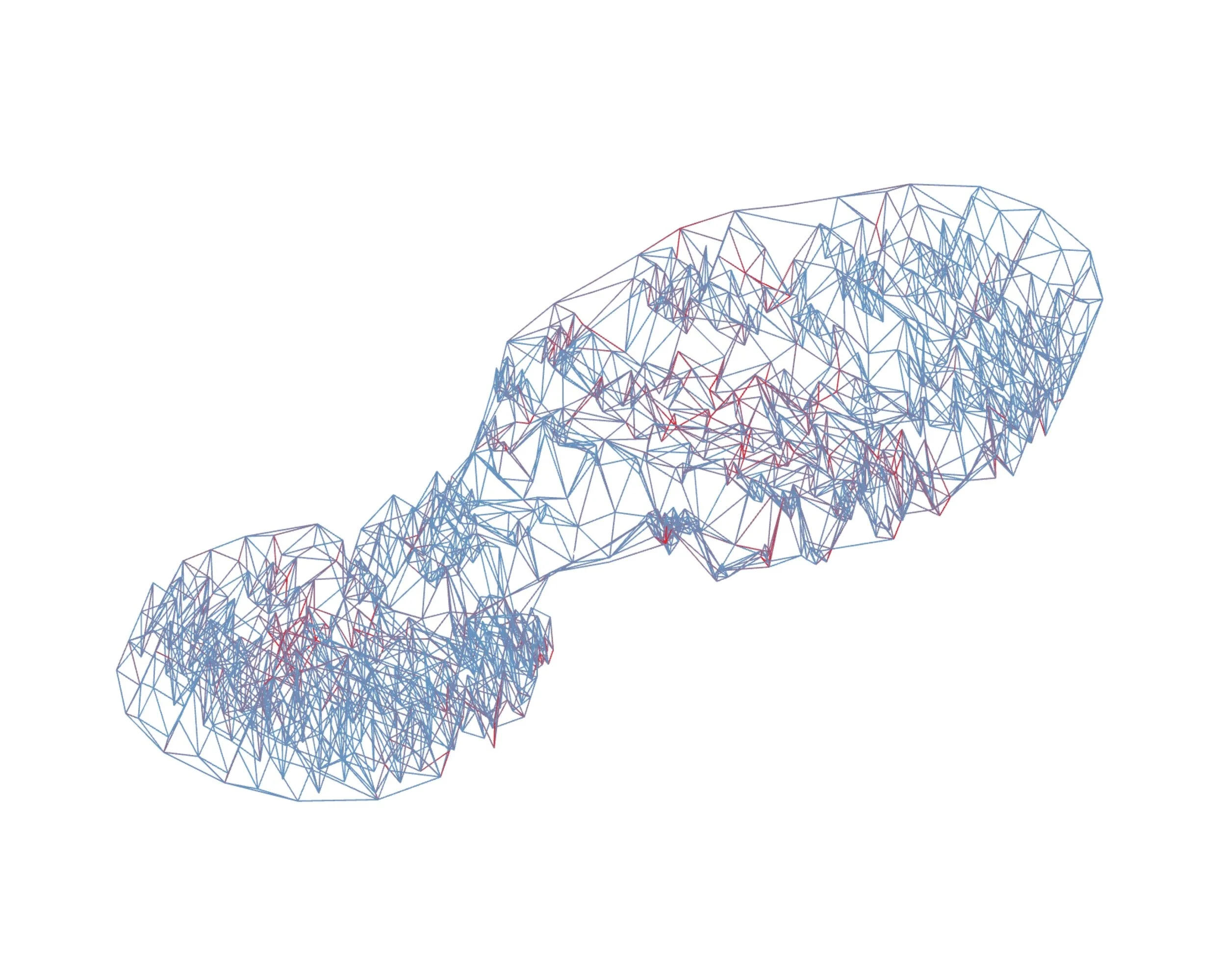
I was set on bridging the gap between these processes by designing generatively; a way to provide better performance not by compiling data from many — something that may be a better fit for a GAN —but by mass-customization for a 3D-printable running shoe, whereby anybody could customize a 3D-printable sole, customized to the springiest, lightest-weight, for any body type, and with the potential to 3D-print the sole using springy, readily available, flexible filaments.
I developed a script that it is extremely easy to read, use, and modify, and there is a lot of room for developing it in the future. In the next iteration, the analysis of loads could be better for lateral and torsion that could benefit runners’ ankles / ankle mobility and gaits more generally. To that point: a gait analysis input which could be input from vision would be extremely empowering — something that today’s AI toolsets may be better at than ever before. On the math side: while Delaunay triangulation performs, developing that script with other geometry could go a long way — so long that it could potentially outperform some of the bigger brands. There are other geometries that are more suited to lateral and torsion loads (e.g.: Schwarz P/G).