![Abhinav Gupta — Interdisciplinary Designer — [ LAB ]](http://images.squarespace-cdn.com/content/v1/69c1974850338f4e69f78956/37e4d318-8d3b-4564-8df9-1b31fcec7c2b/abhinav-lab_logo_v3.png?format=750w)
sense / non-sense
designing a library of sensory dispossession
While working in the Lower East Side (LES), I noticed that there were many tiny programmes amidst vast expanses, but no programmes that really connected the body to the site in a way that properly connected people to the important histories and stories of the area. While we would go to a library to research and familiarize ourselves with where we live, what do we do when libraries cannot not hold attention as they used to? Could designing library buildings do anything about it?
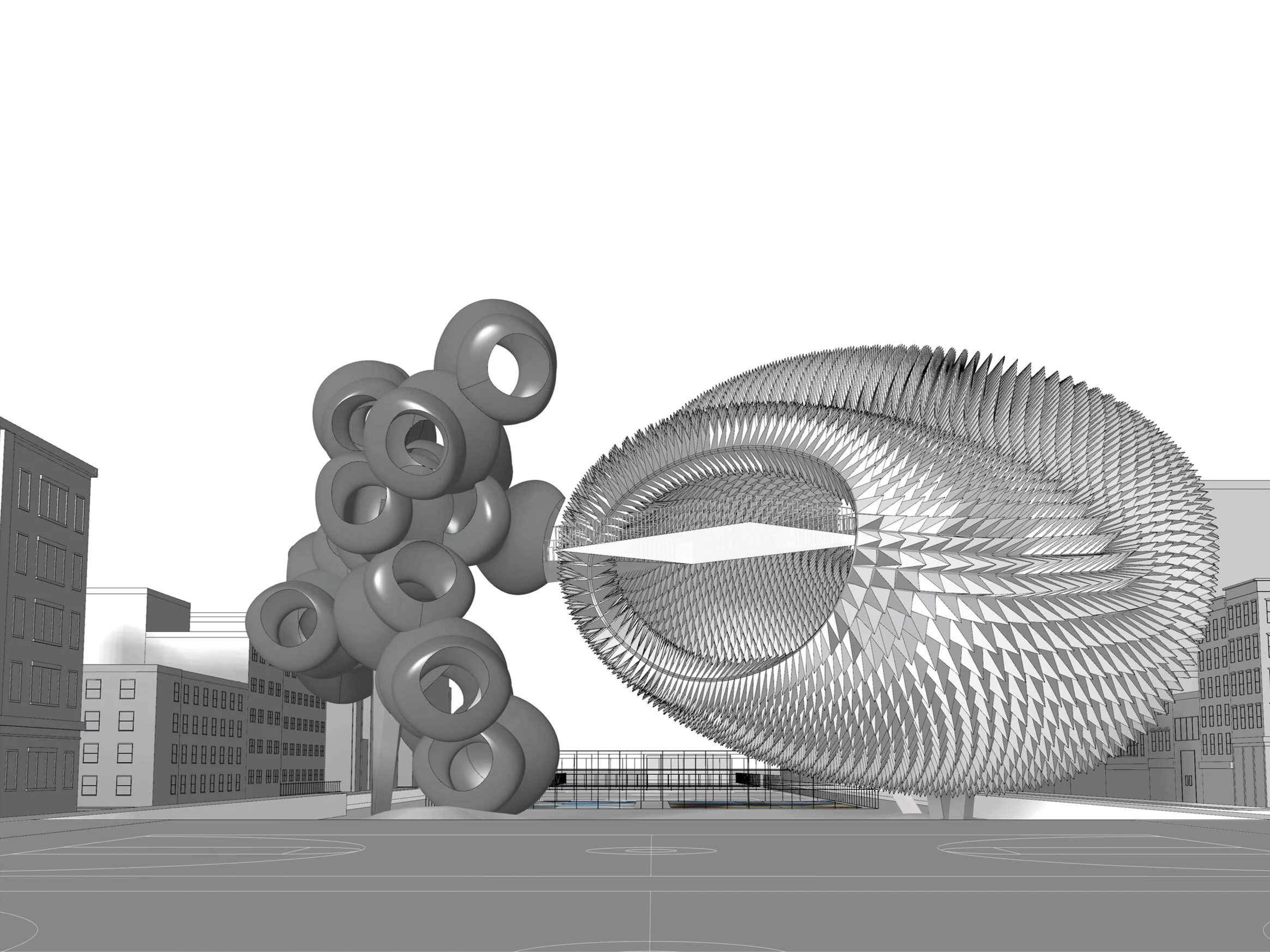
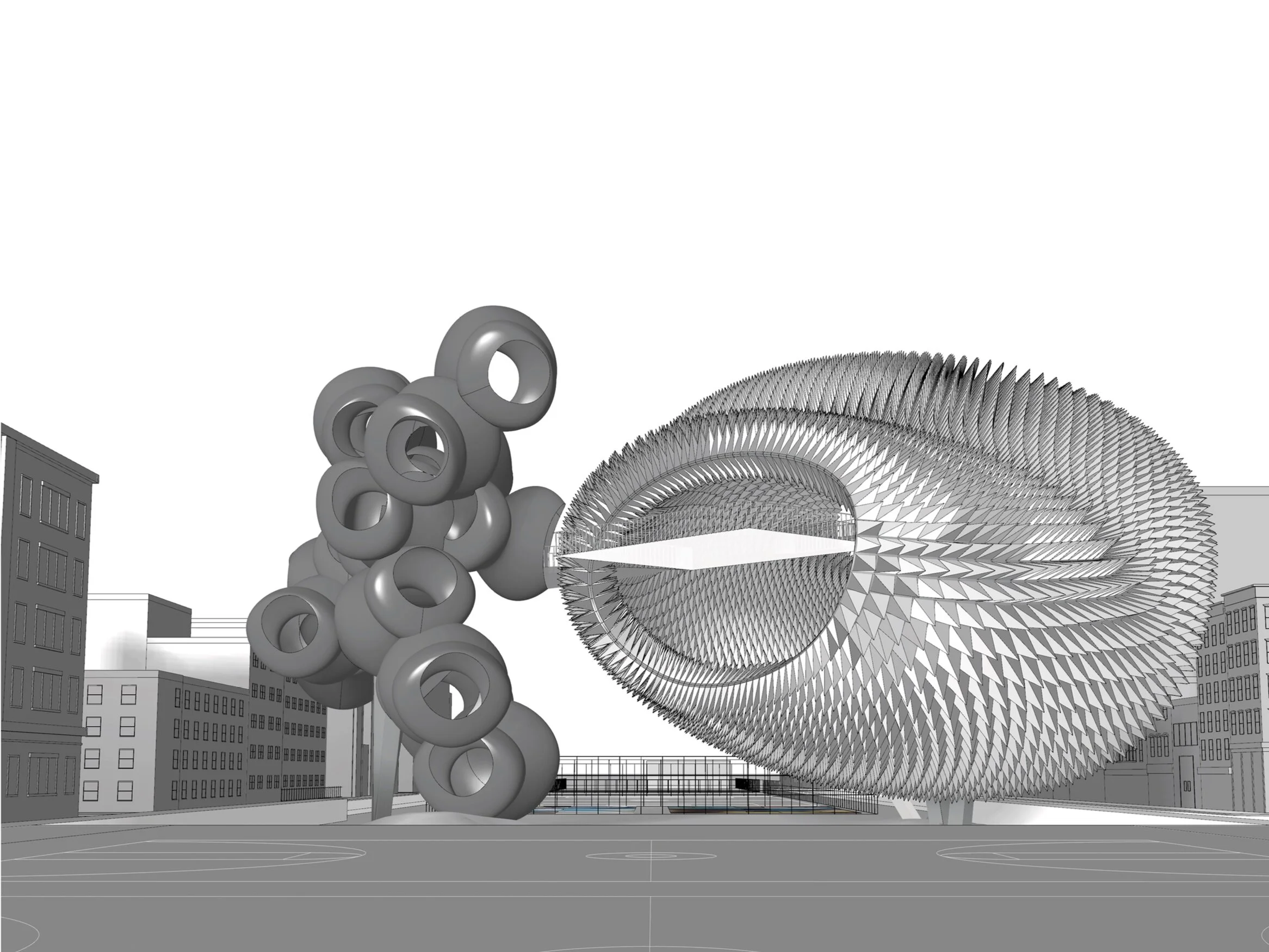
By expanding from pavilion to building, I realized a ‘library’ to reference an architecture of the senses — or depriving senses — to hack users' sensory/spatial-sensory experience in a way that lets users engage specific points; specifically, points of greater political interest. Knowing perception is cultural, and visual and auditory perception are privileged in Western cultures (whereas they are not always privileged in cultures of the people initially migrating/immigrating and living in the area) I realized a building distorting / depriving users of visual and auditory senses to isolate specific histories and stories.
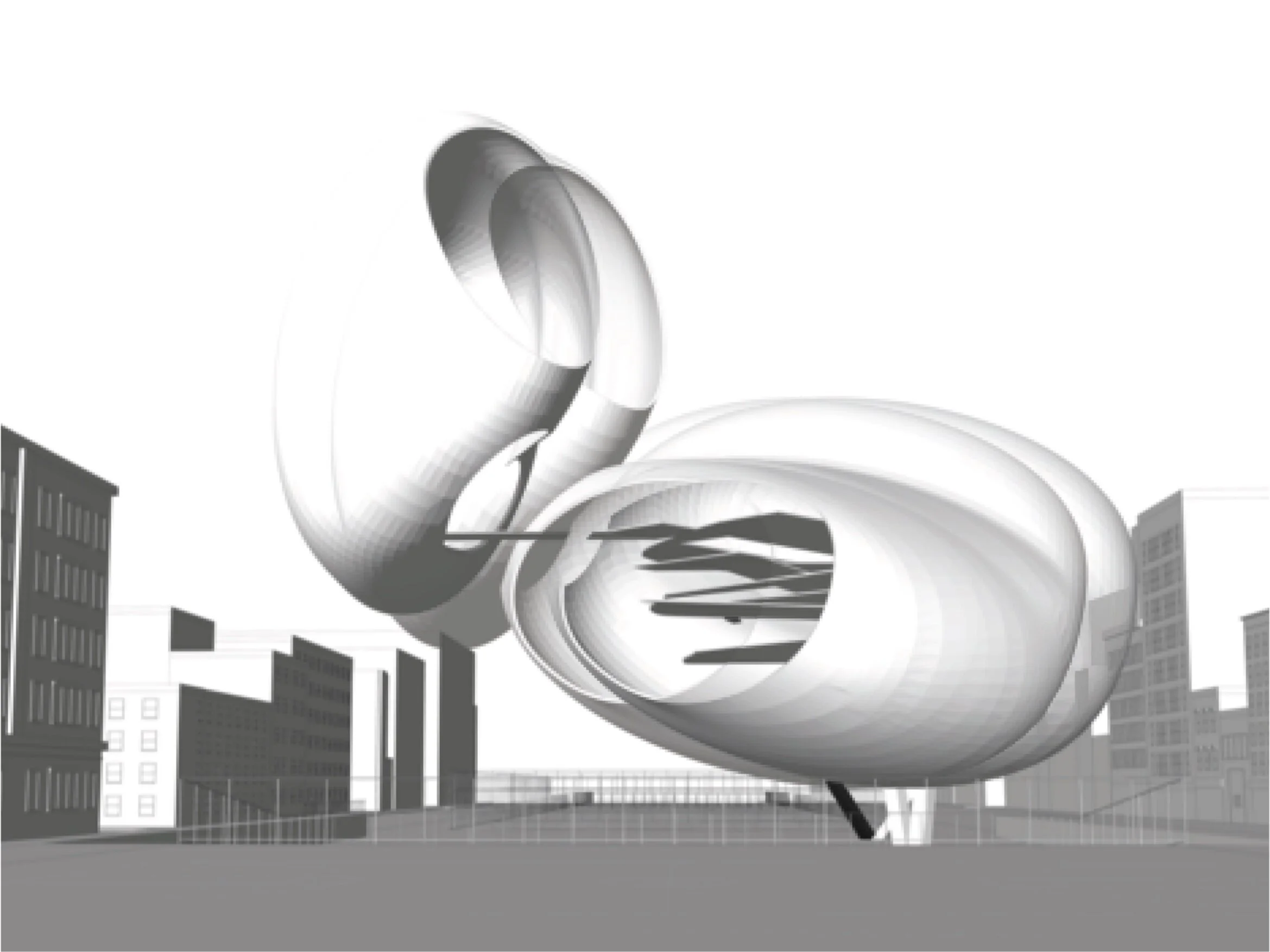
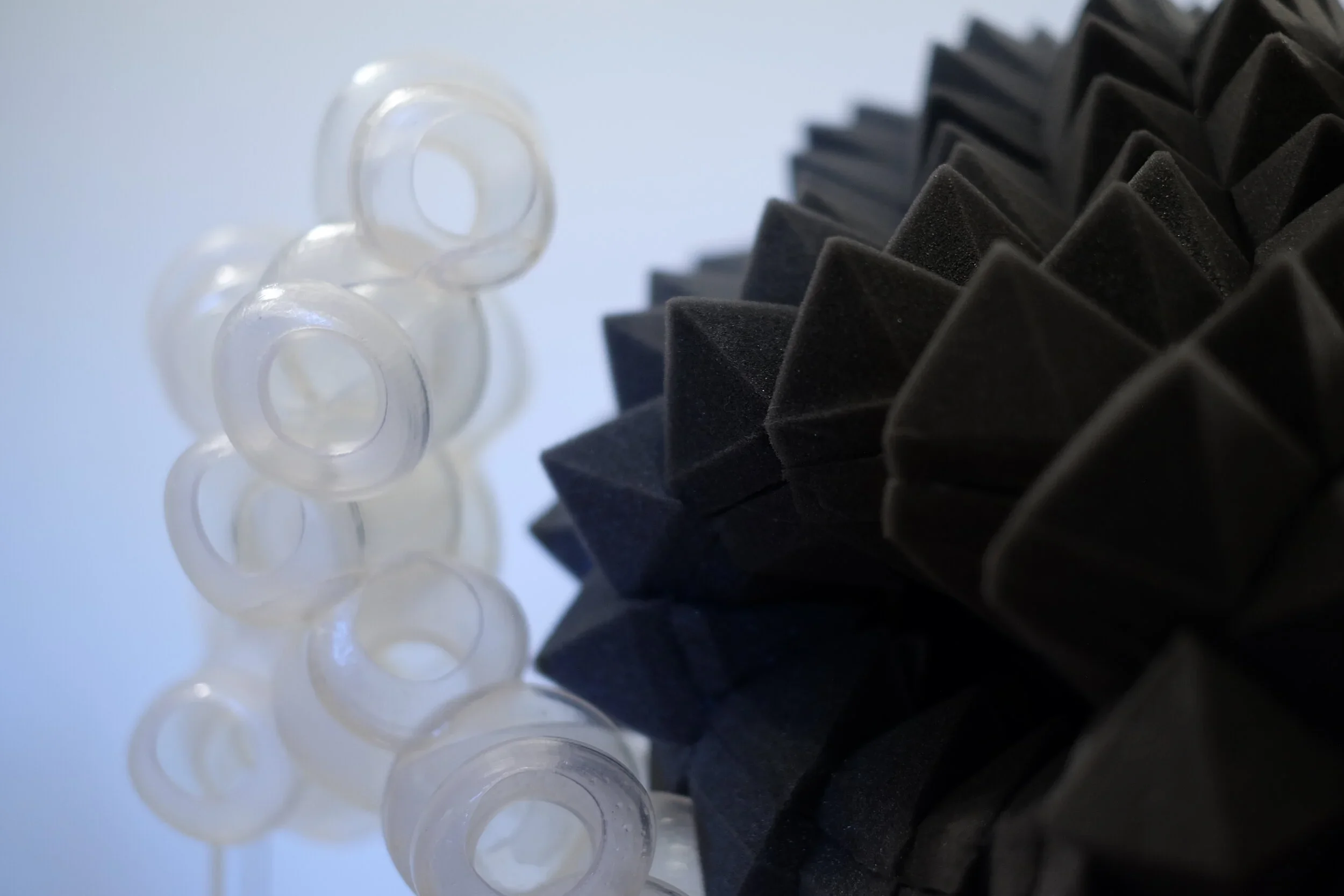
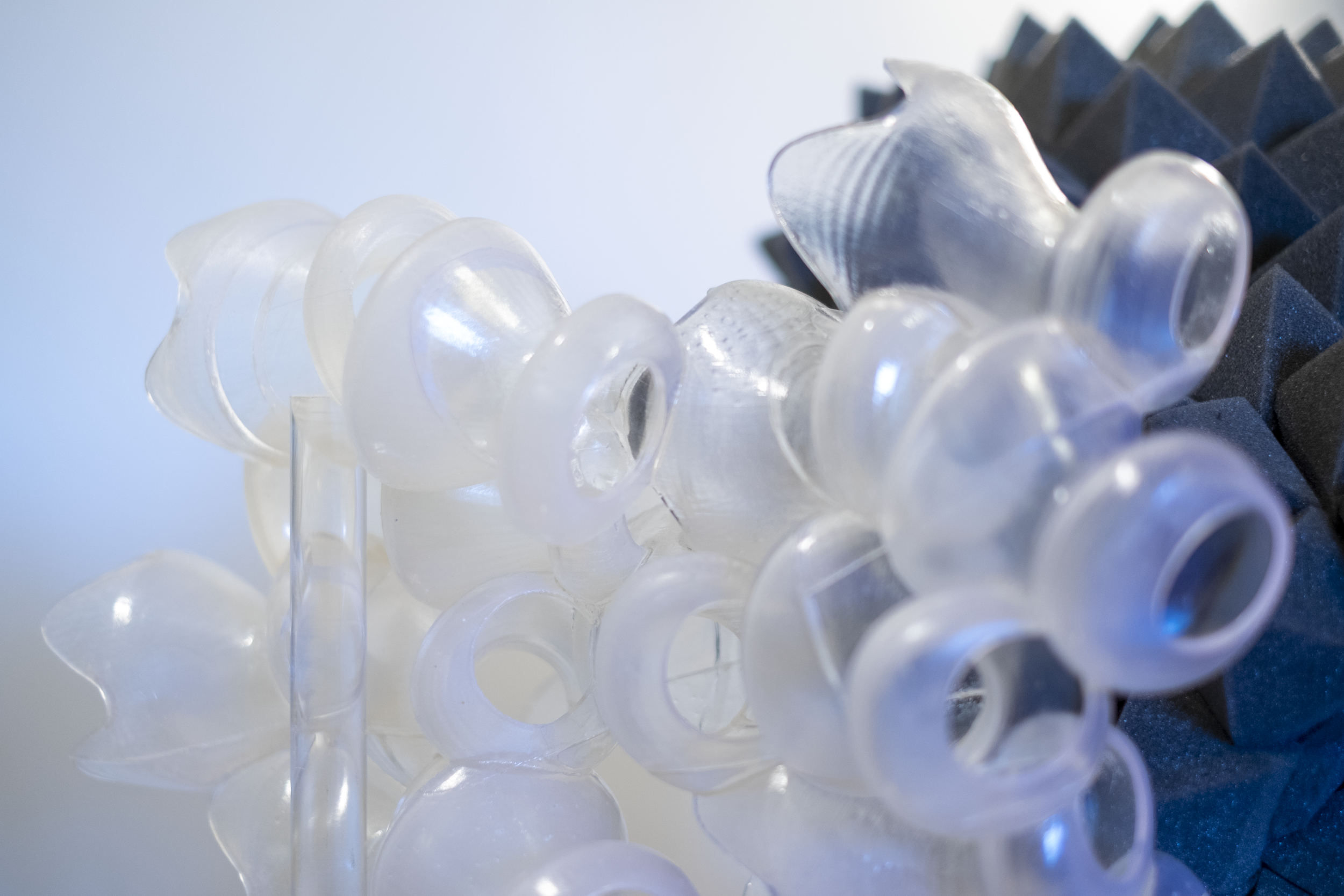
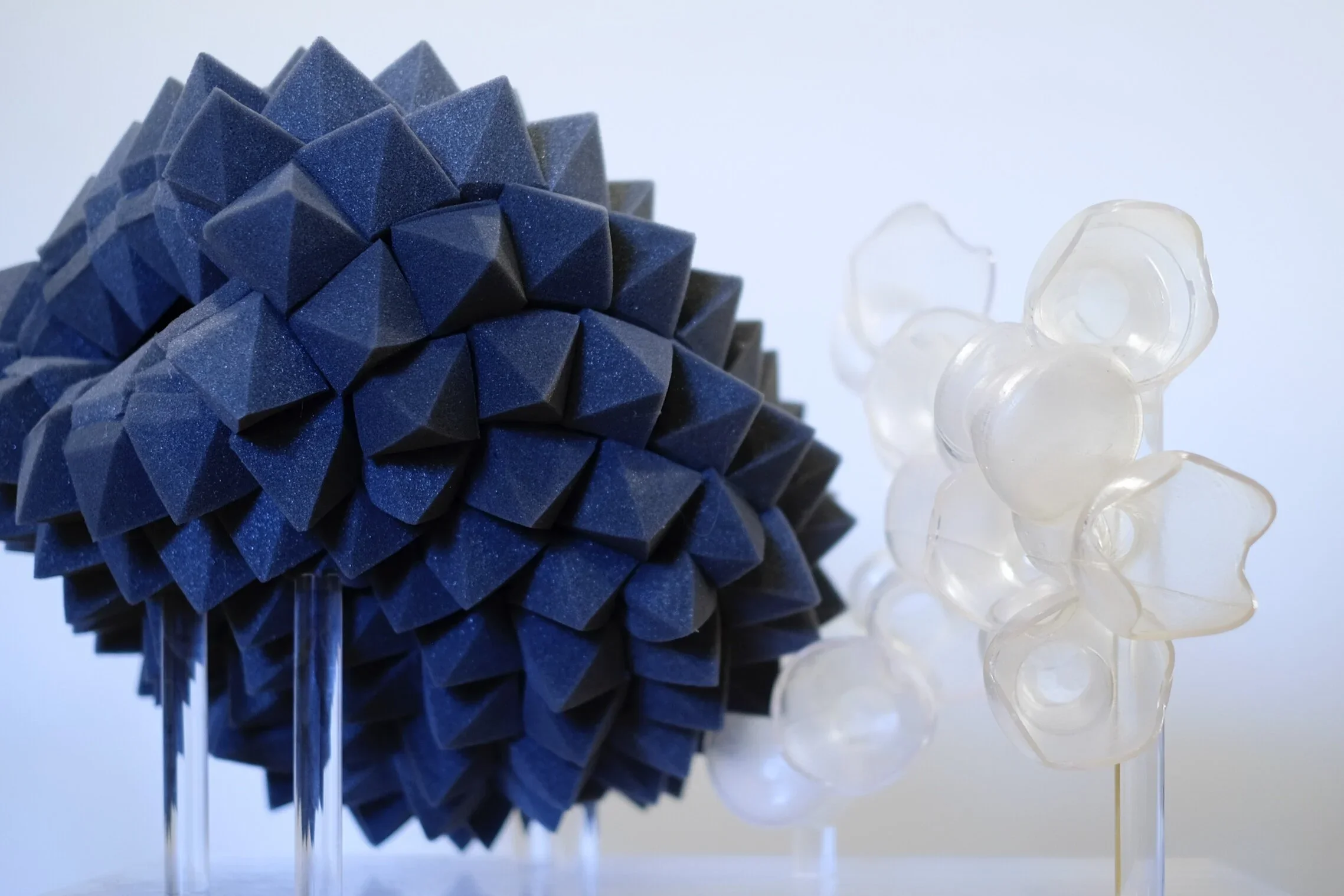
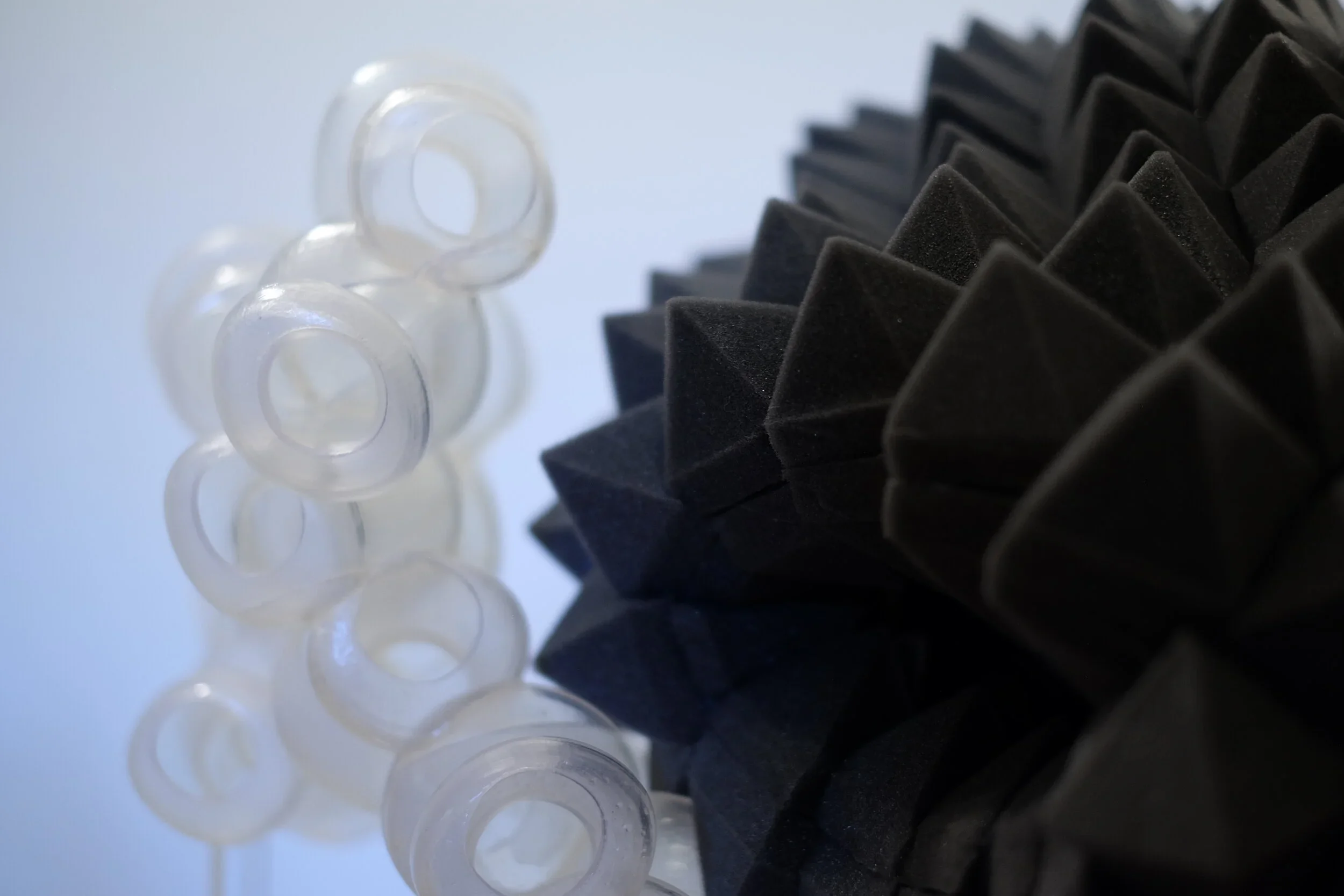
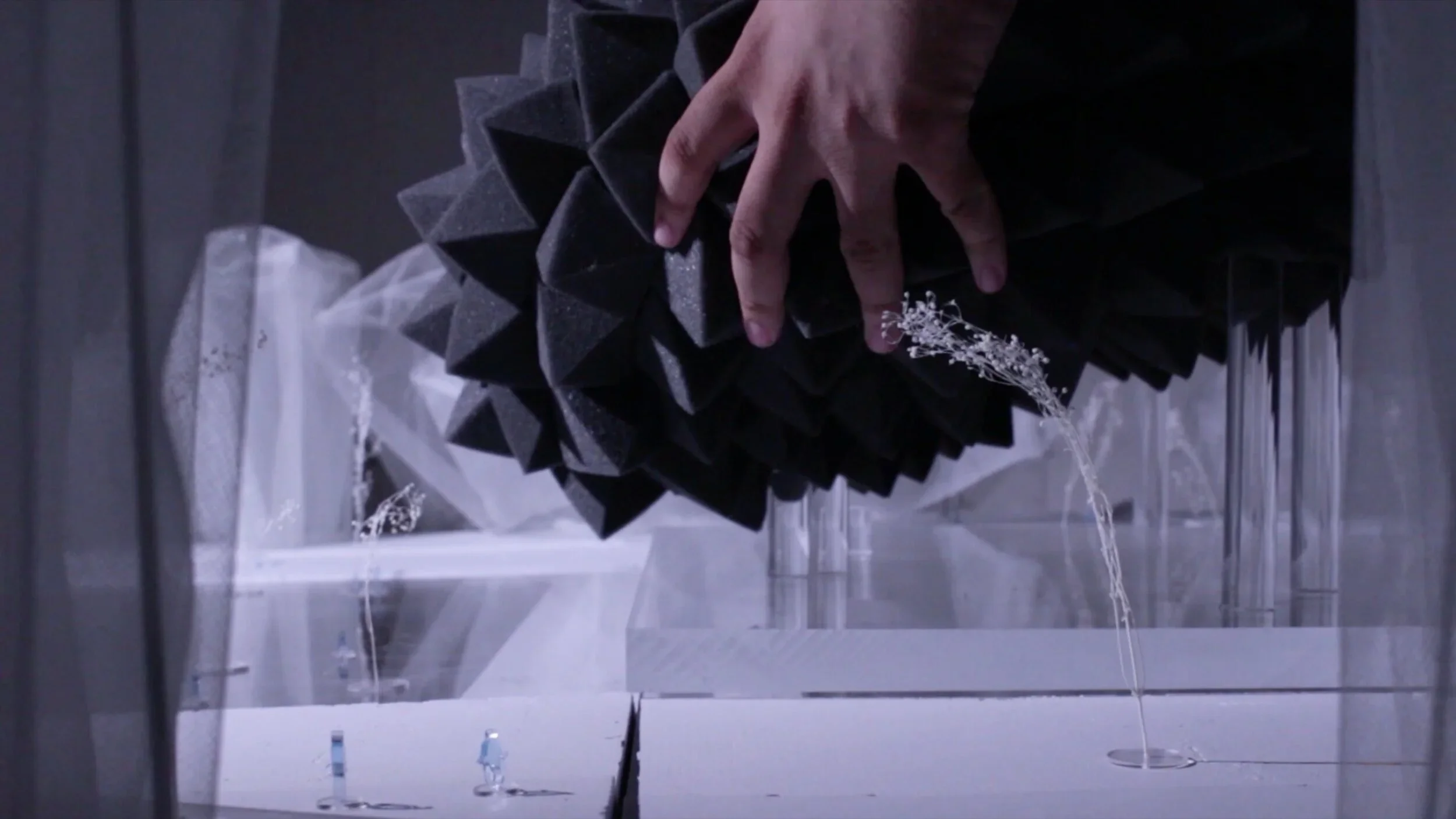
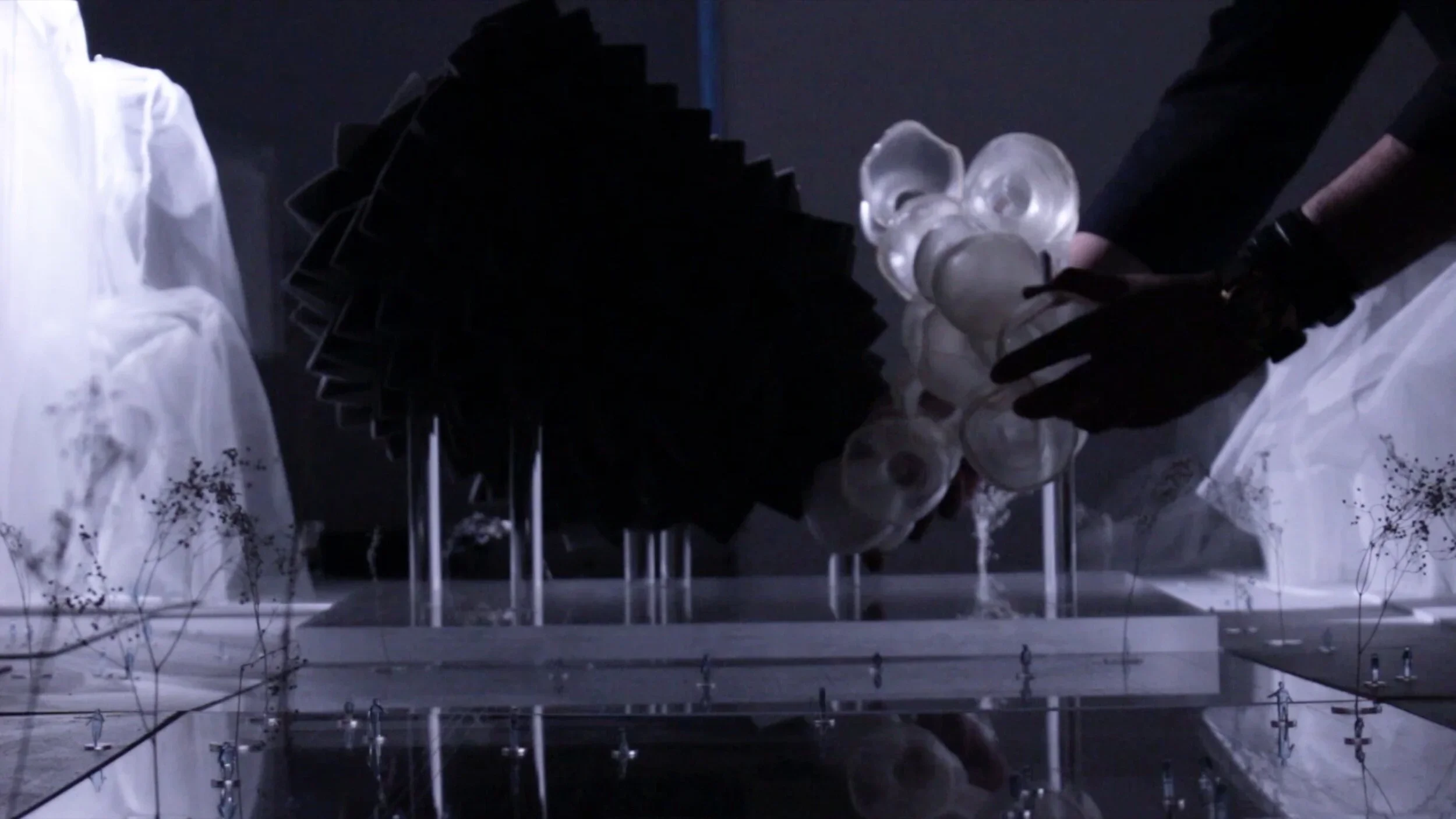
By depriving any auditory stimulus, the structural elements are a framer for a open-air anechoic area; that is, an auditory black hole — what would be the first-ever open-air structure with an anechoic capacity from scale to scale — and inside, outside, and between areas. The scale of this structure would promote meditative moments that truly let users see the area — or even see themselves — as if they are seeing for the first time. For visual stimuli, the building’s pods blot areas known to be politically disempowering for the community, literally framing/reframing areas and activities revitalizing it. As users move about the spaces in the building, transitions between spaces make for percept/perception-bending moments for users, potentially even disorienting them.
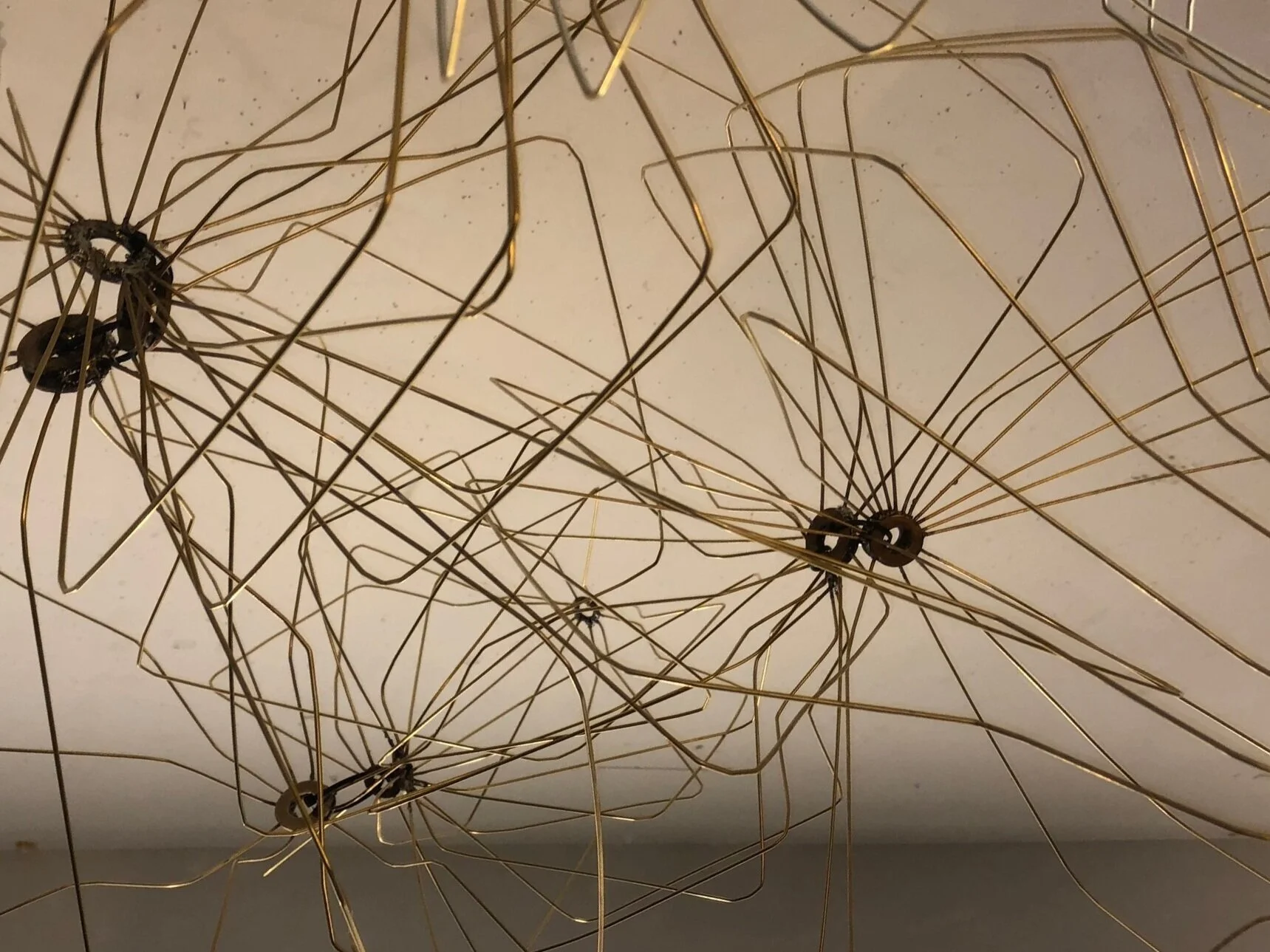
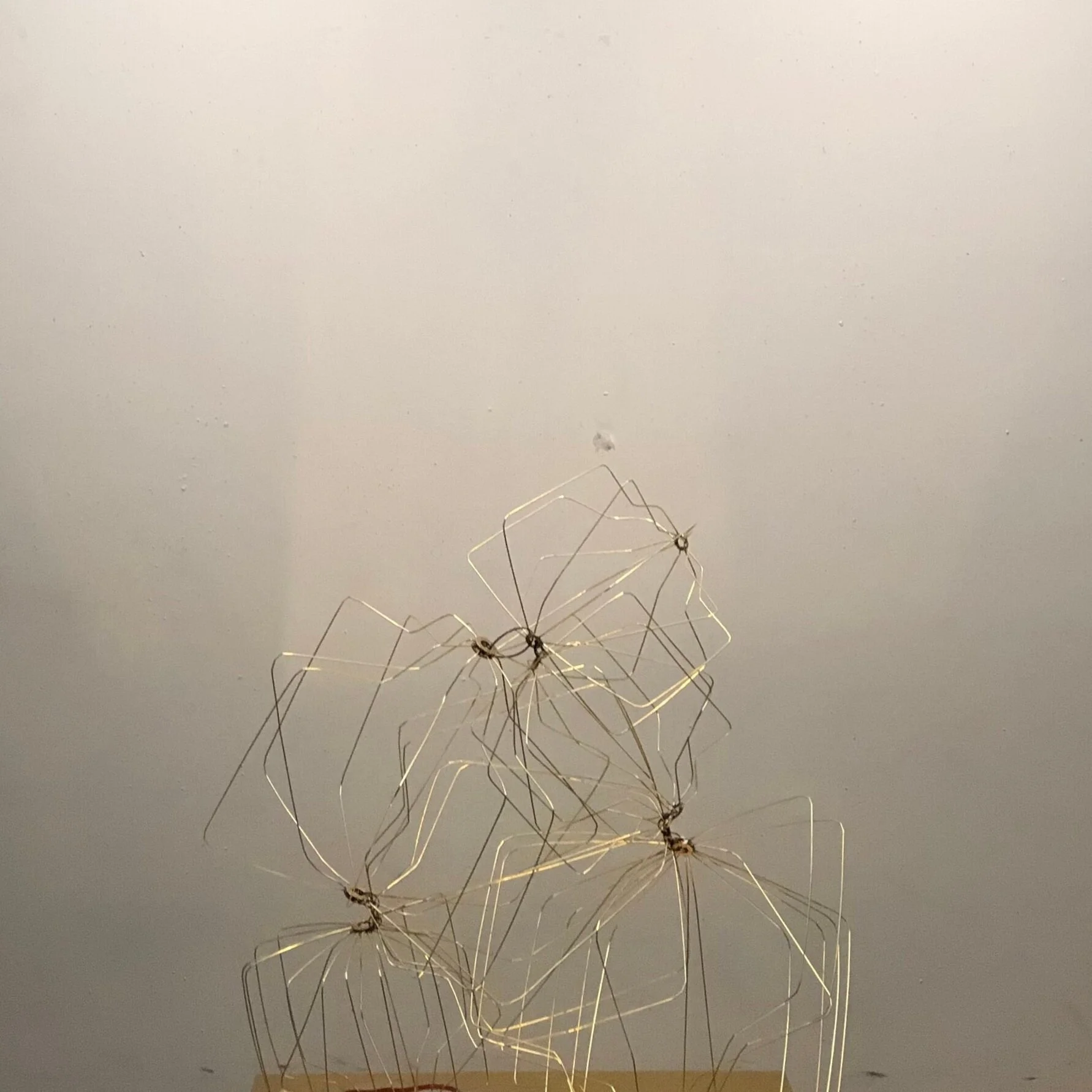
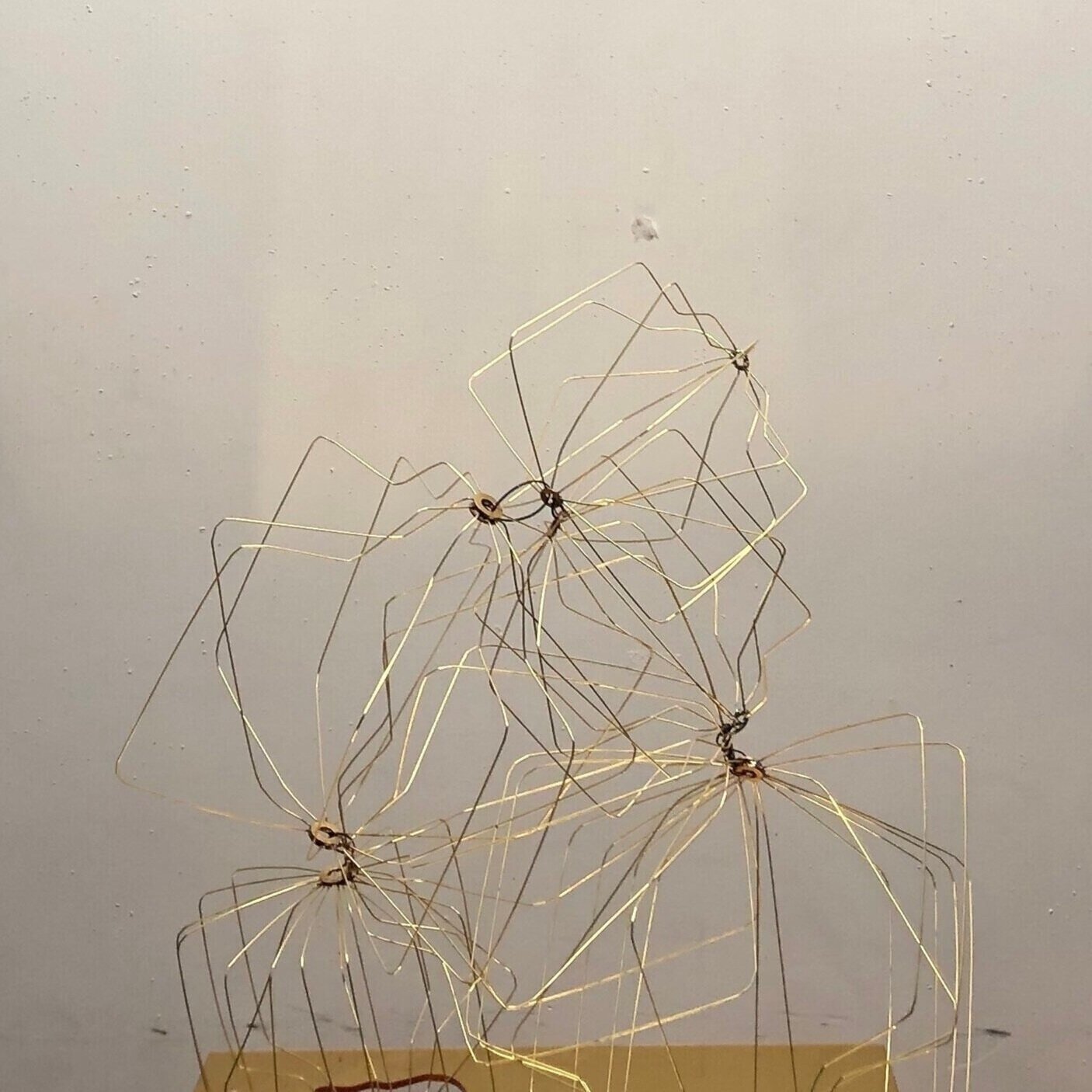
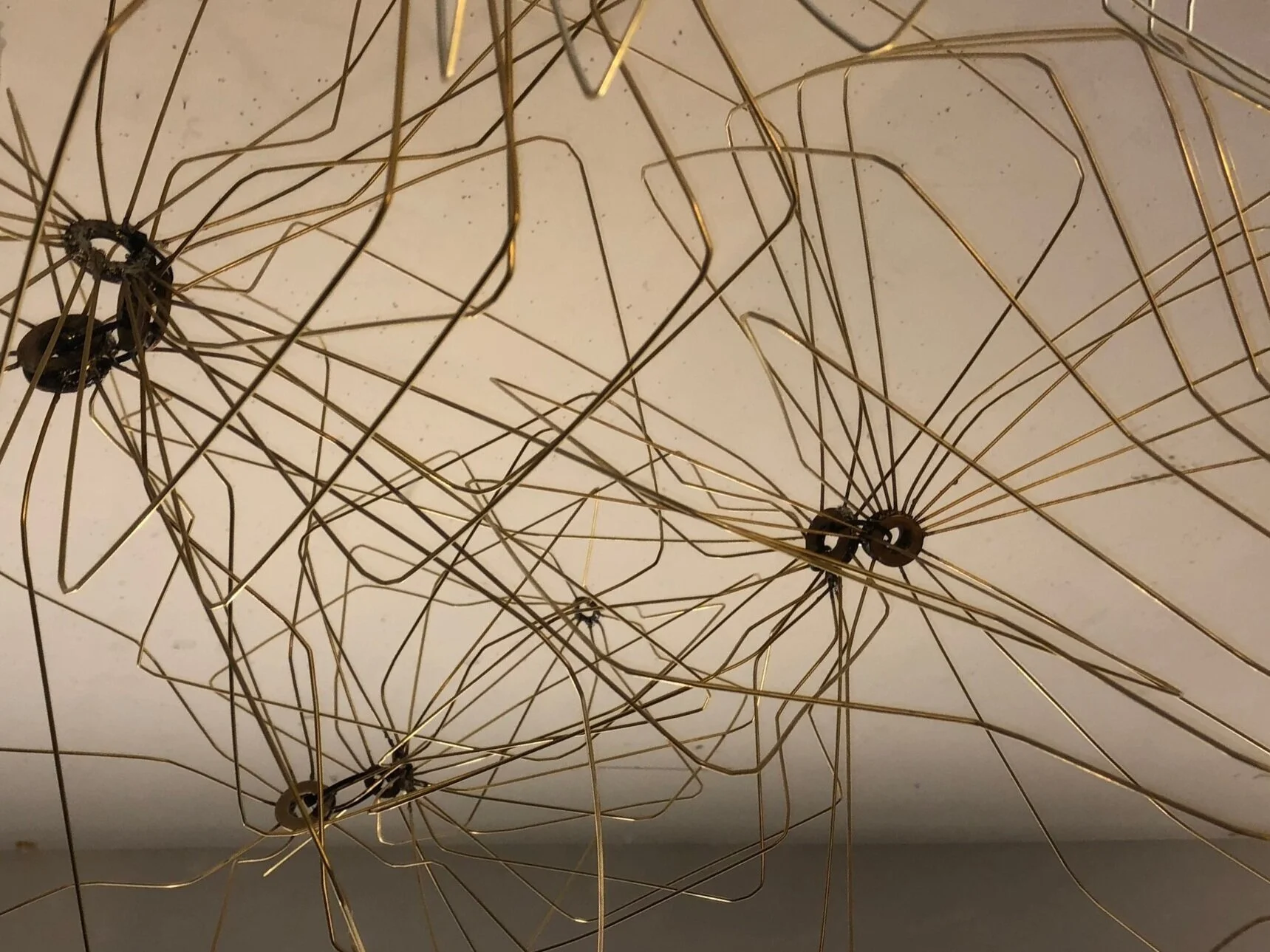
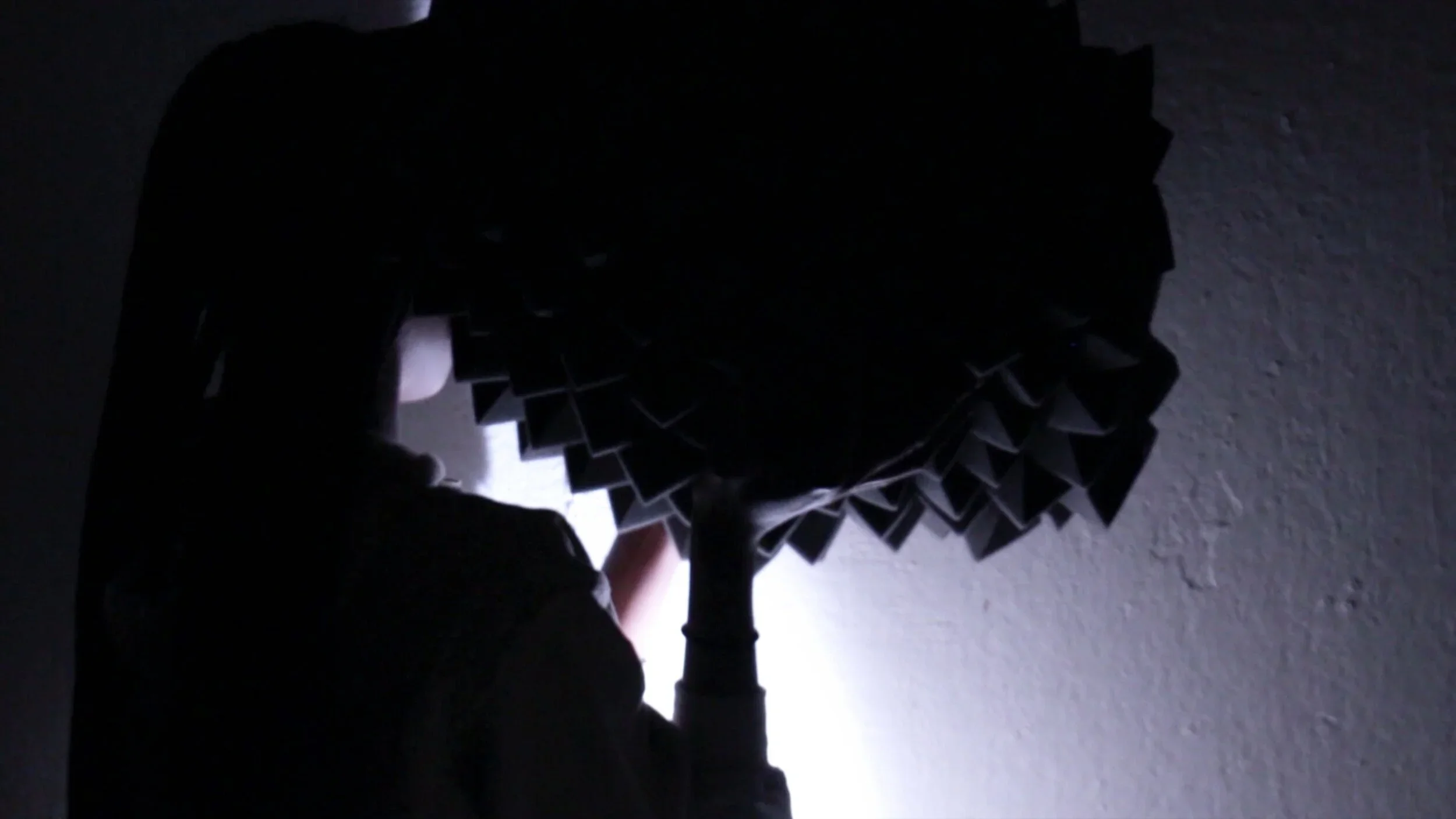
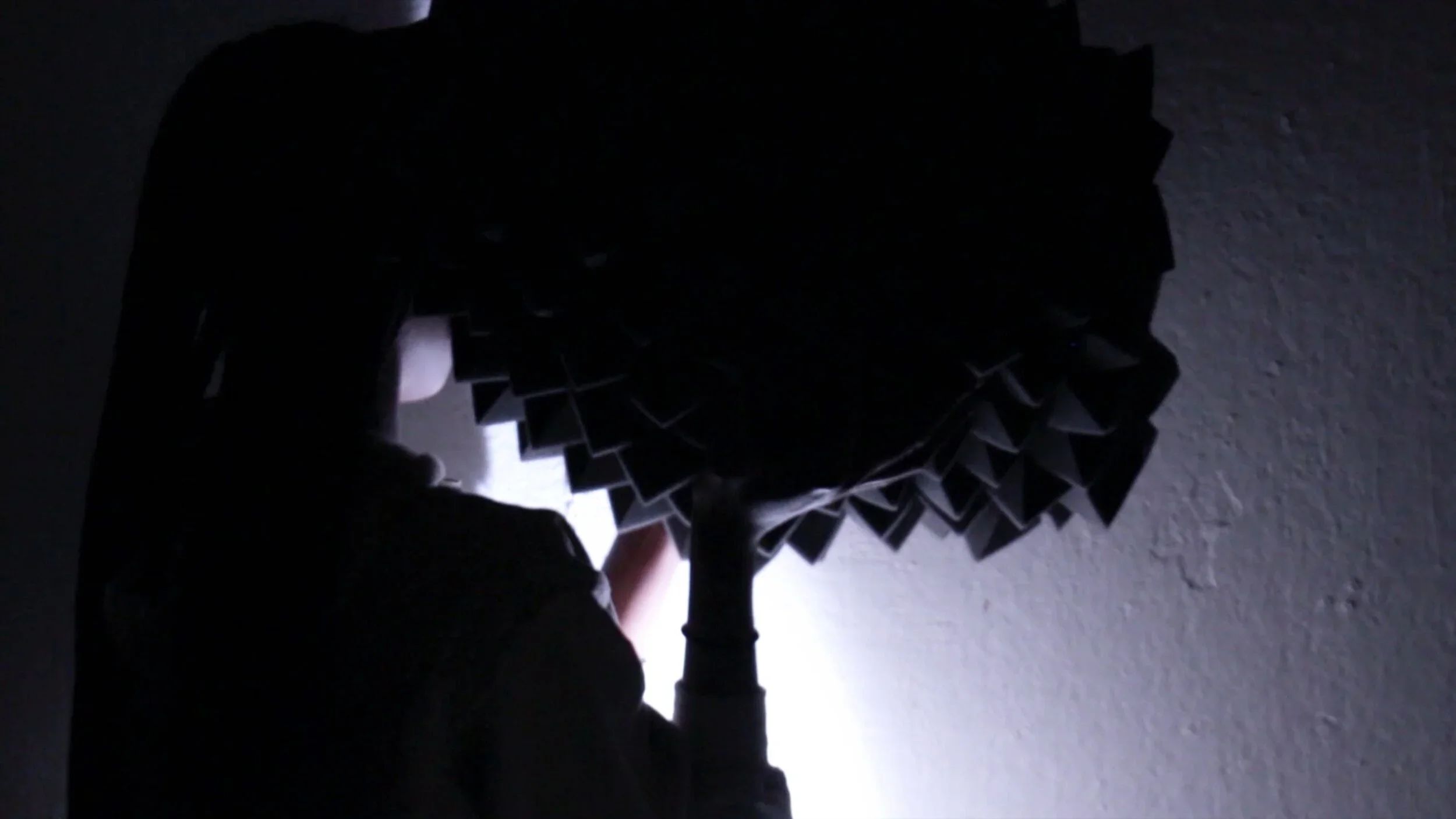
For example, in the model (as seen below), the 1:1/8 scale model really works at a 1:1 scale — if you put your ear to one side while somebody else is speaking into the other side, you cannot hear them.