![Abhinav Gupta — Interdisciplinary Designer — [ LAB ]](http://images.squarespace-cdn.com/content/v1/69c1974850338f4e69f78956/37e4d318-8d3b-4564-8df9-1b31fcec7c2b/abhinav-lab_logo_v3.png?format=750w)
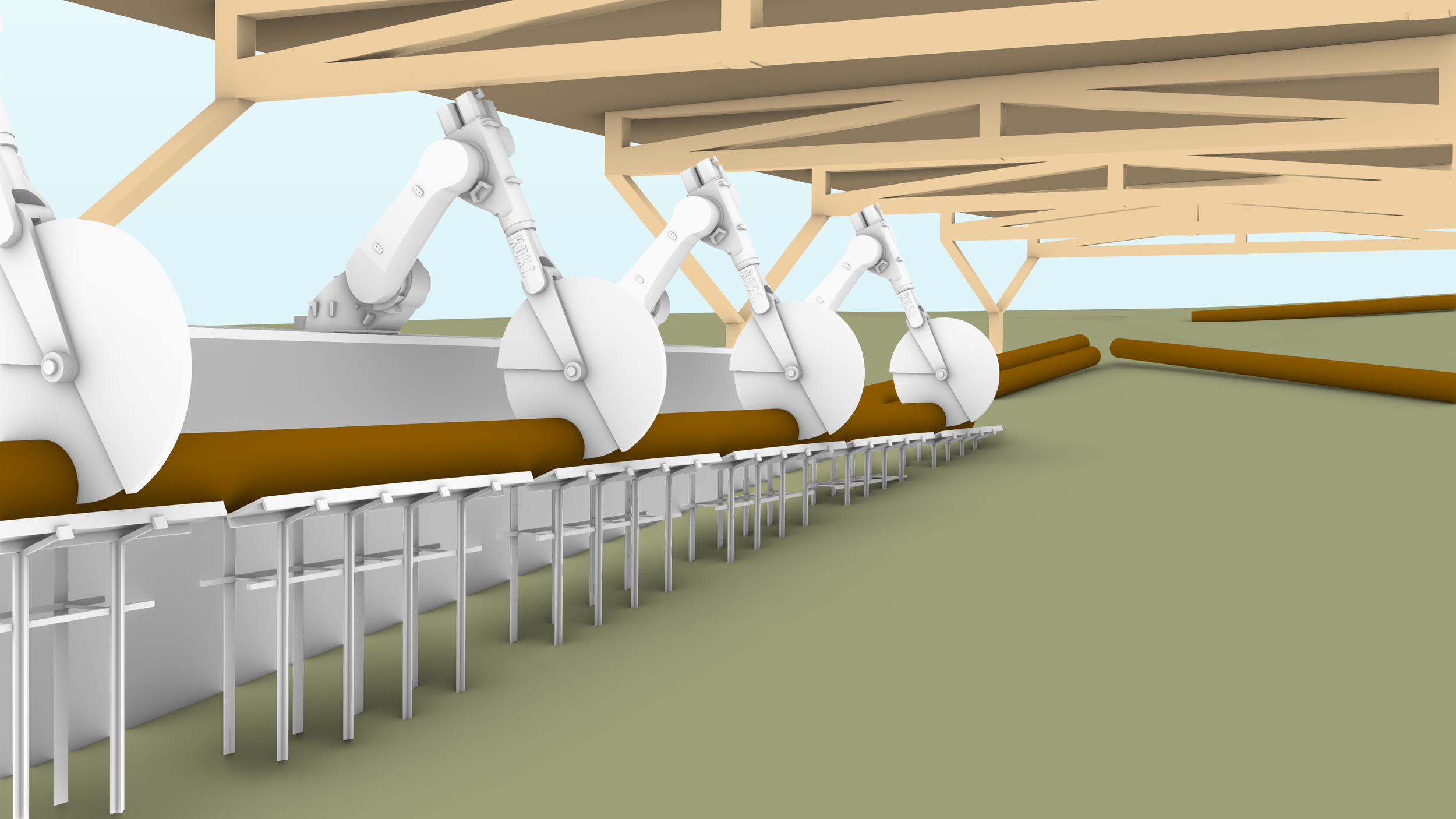
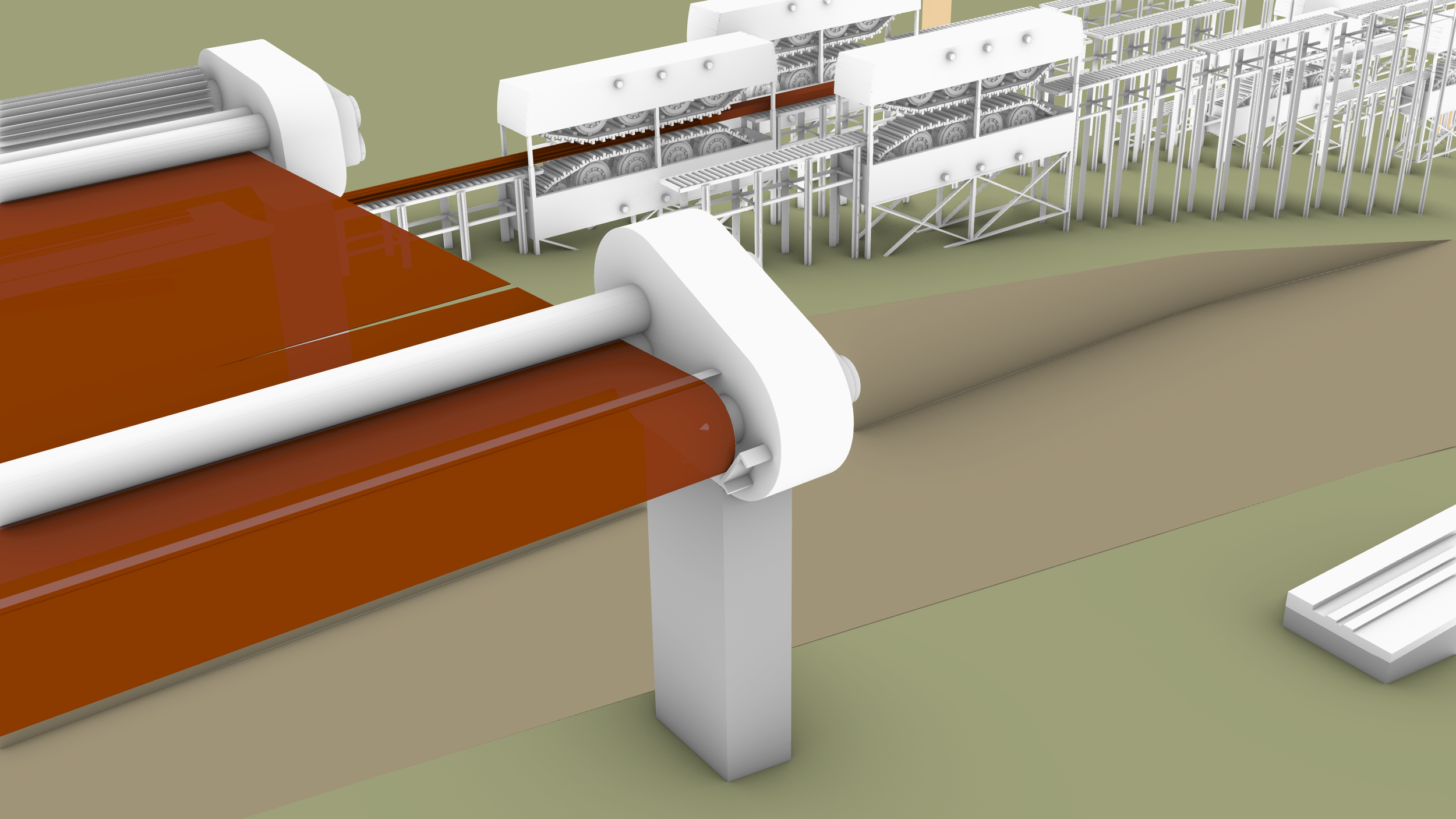
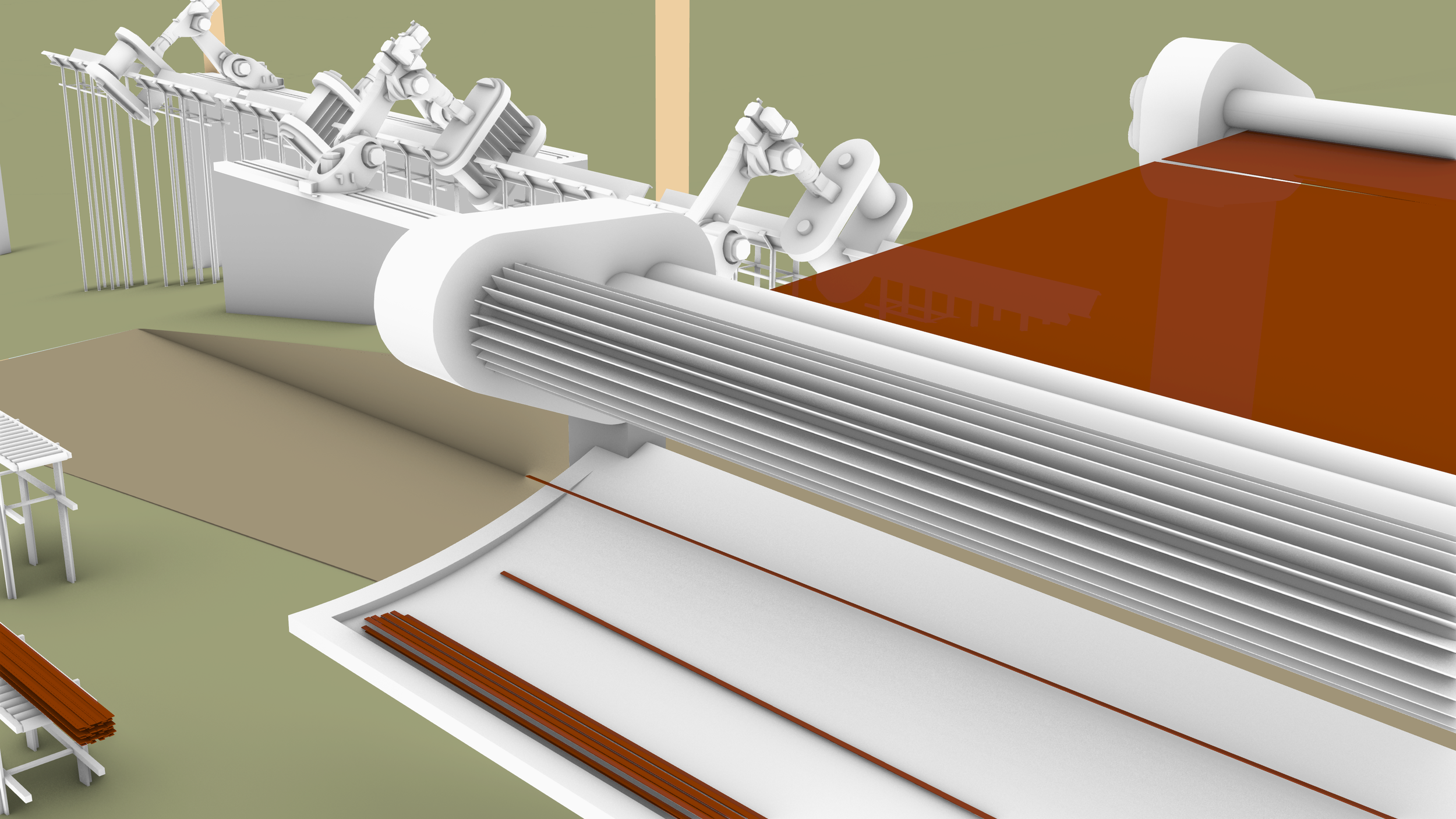
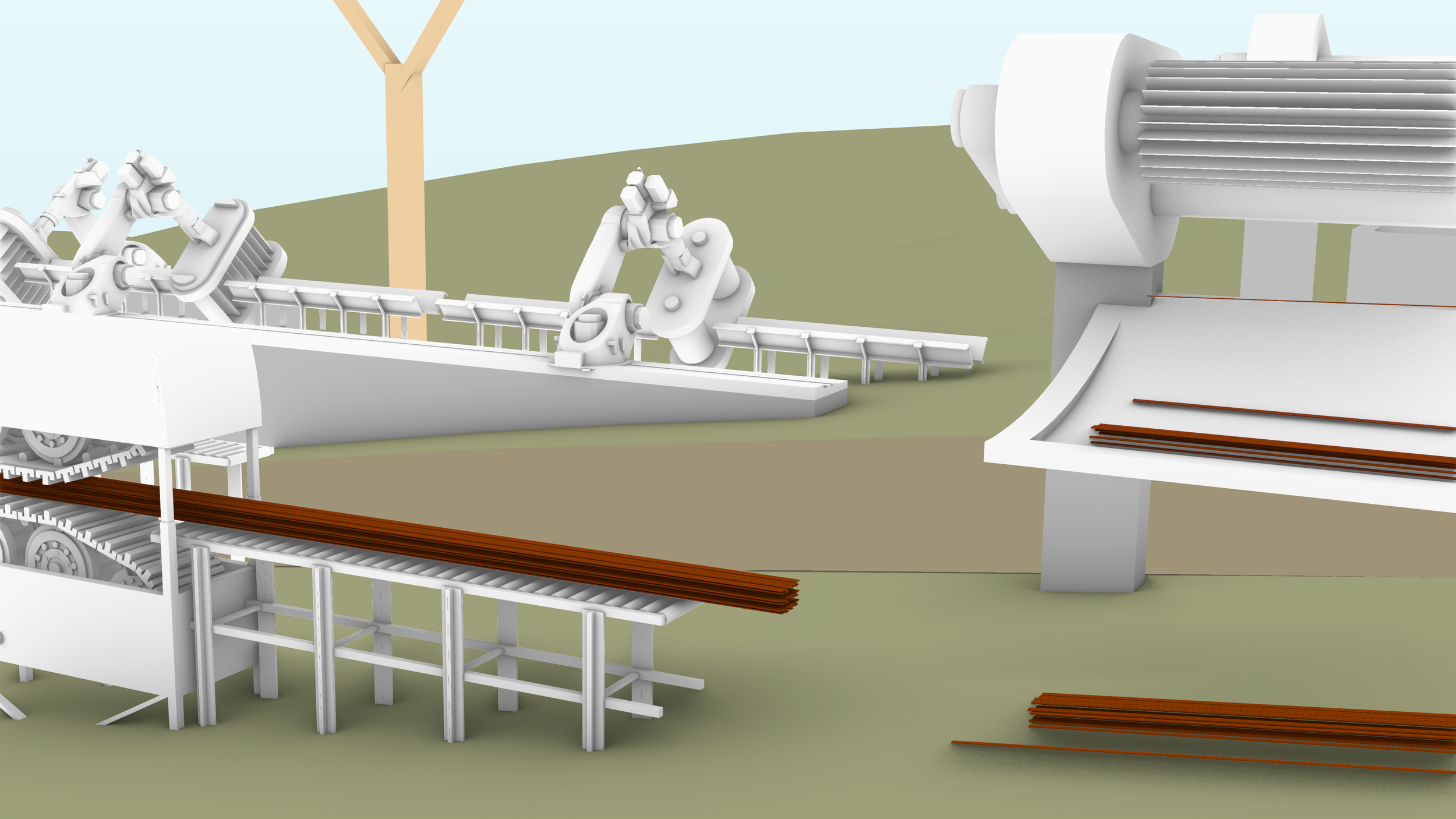
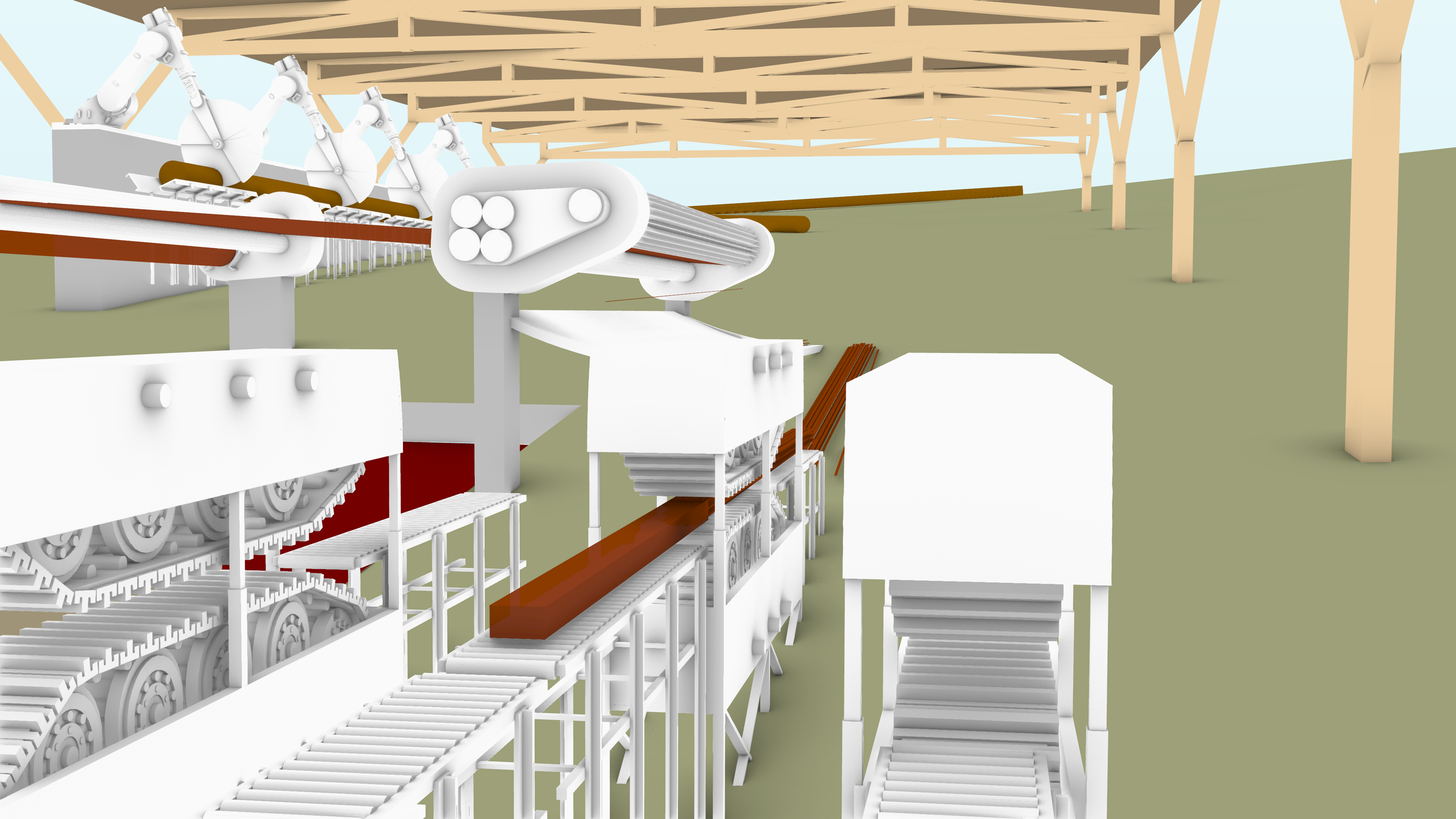
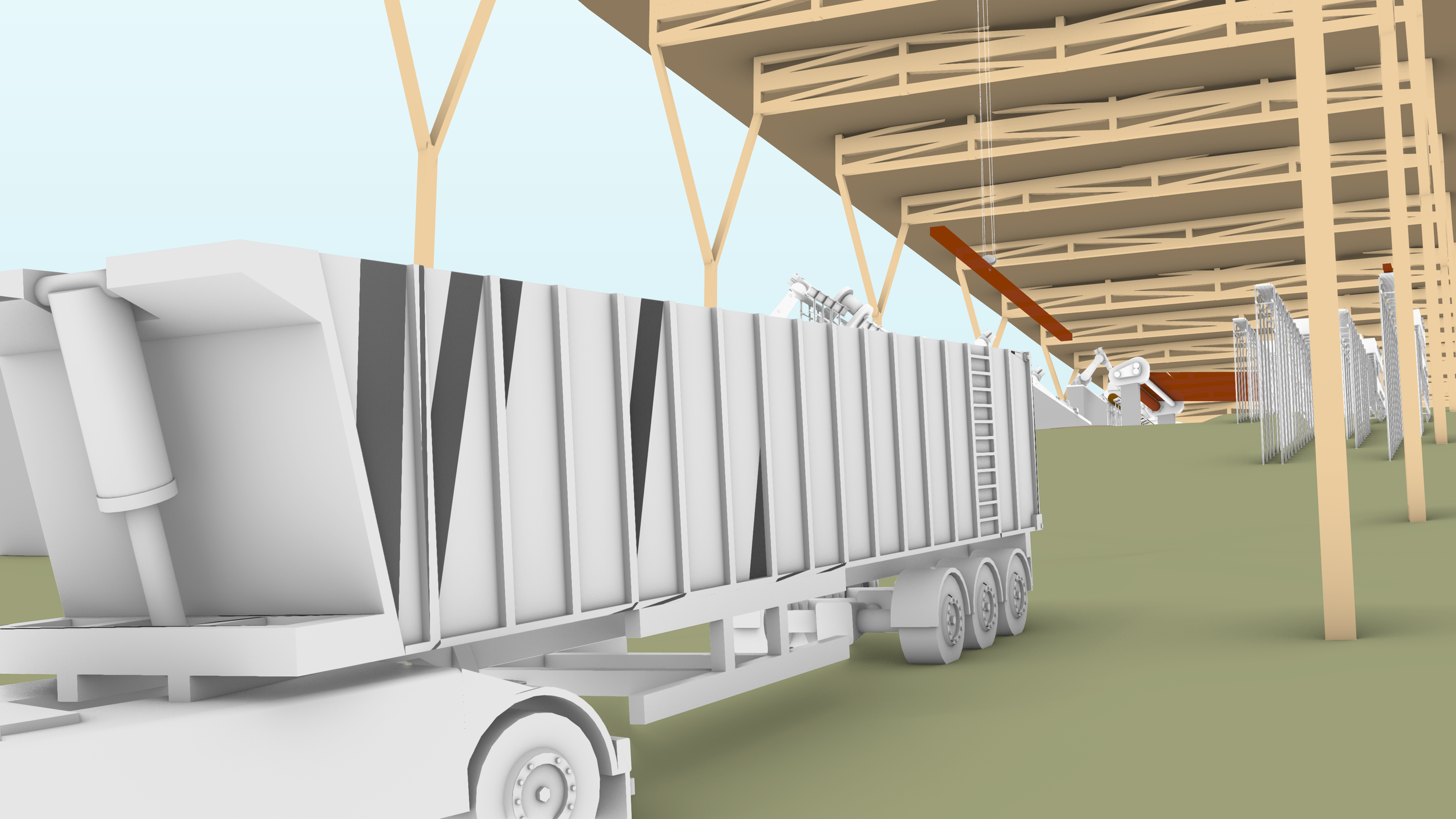
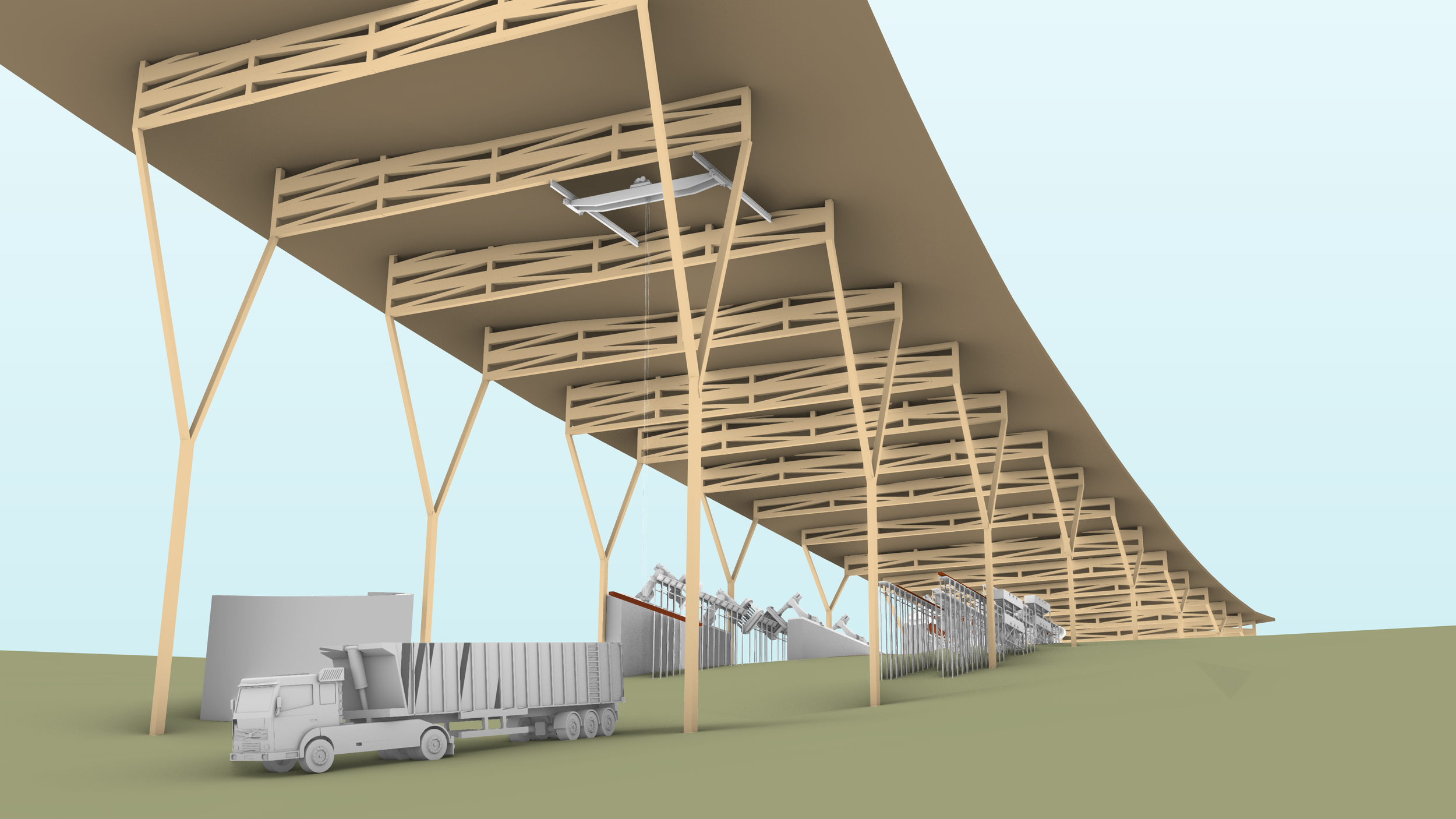
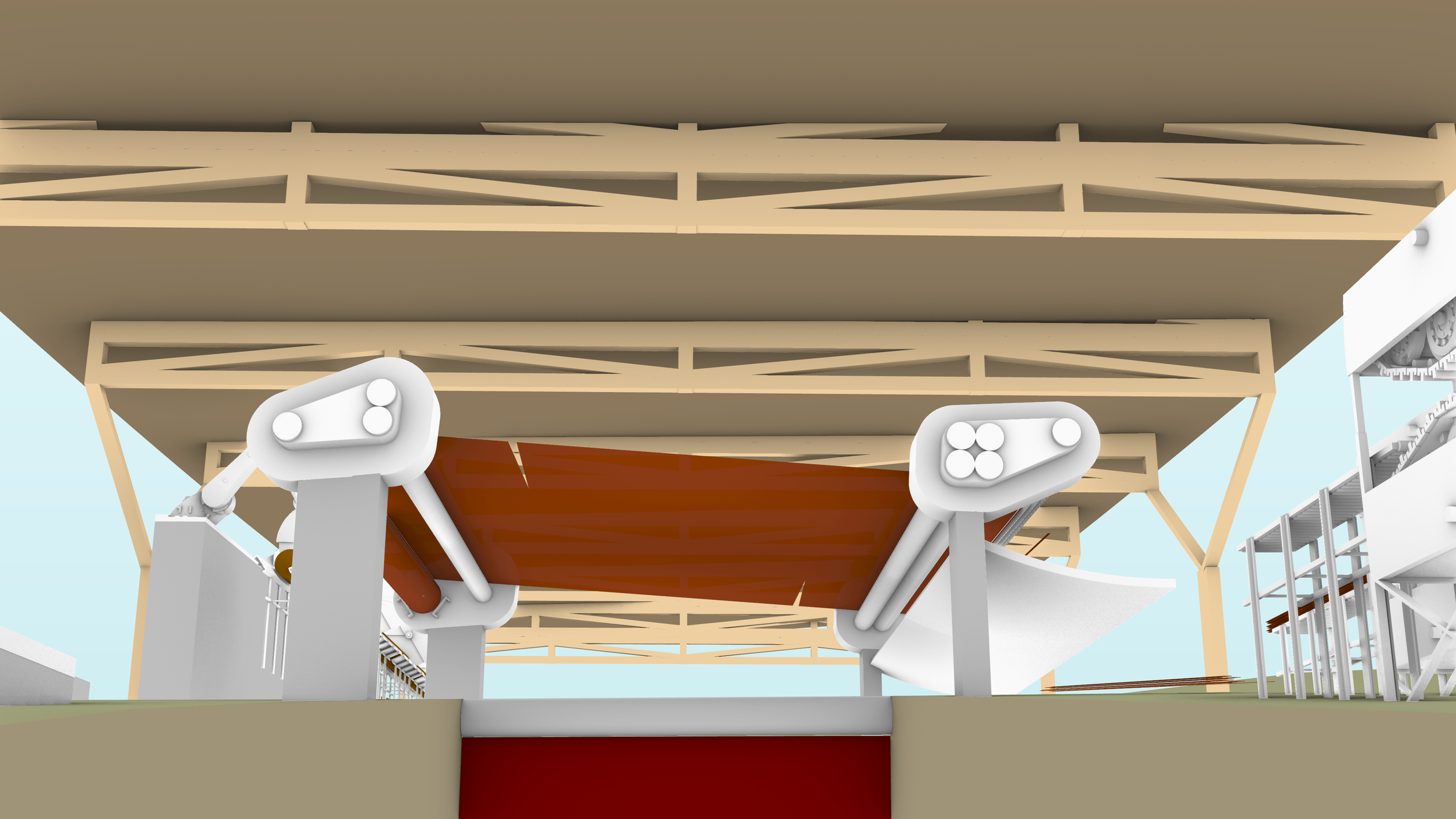
foresta forma! / wood and wine lab
spatially combining the Hudson Valley’s most essential industries — wood and wine — in pursuit of true sustainability
Long before California, New York’s Hudson Valley was the original and most prolific American Viticultural Area (AVA). As a silver lining to shifting climate conditions, it is likely that Hudson Valley wineries are going to see better years again. On the other hand, wood; that is, timber and lumber, are continuously critical to the economy there. With that known, I was astonished that nobody had found potential in the symbiotic relationships inherent to wood and wine.
With that, I started researching into how wine waste (pomace) and wood waste from the dozens of milling operations engaged there. Interestingly, one of the primary timber and lumber products produced in the Hudson Valley is oak. I discovered that the tannins present in pomace could ‘fortify’ the oak to make it more resilient against rot in storage or shipping and long after it is used or finished. More, I realized that the logging processes themselves could utilize moments where timber is rolled on site to not only to press grapes, but to impart that cherished oak taste while doing so. Finally, I could see the last cost-effective point: if this all could be undertaken under one roof, one could even make their own barrels — not an insignificant cost.
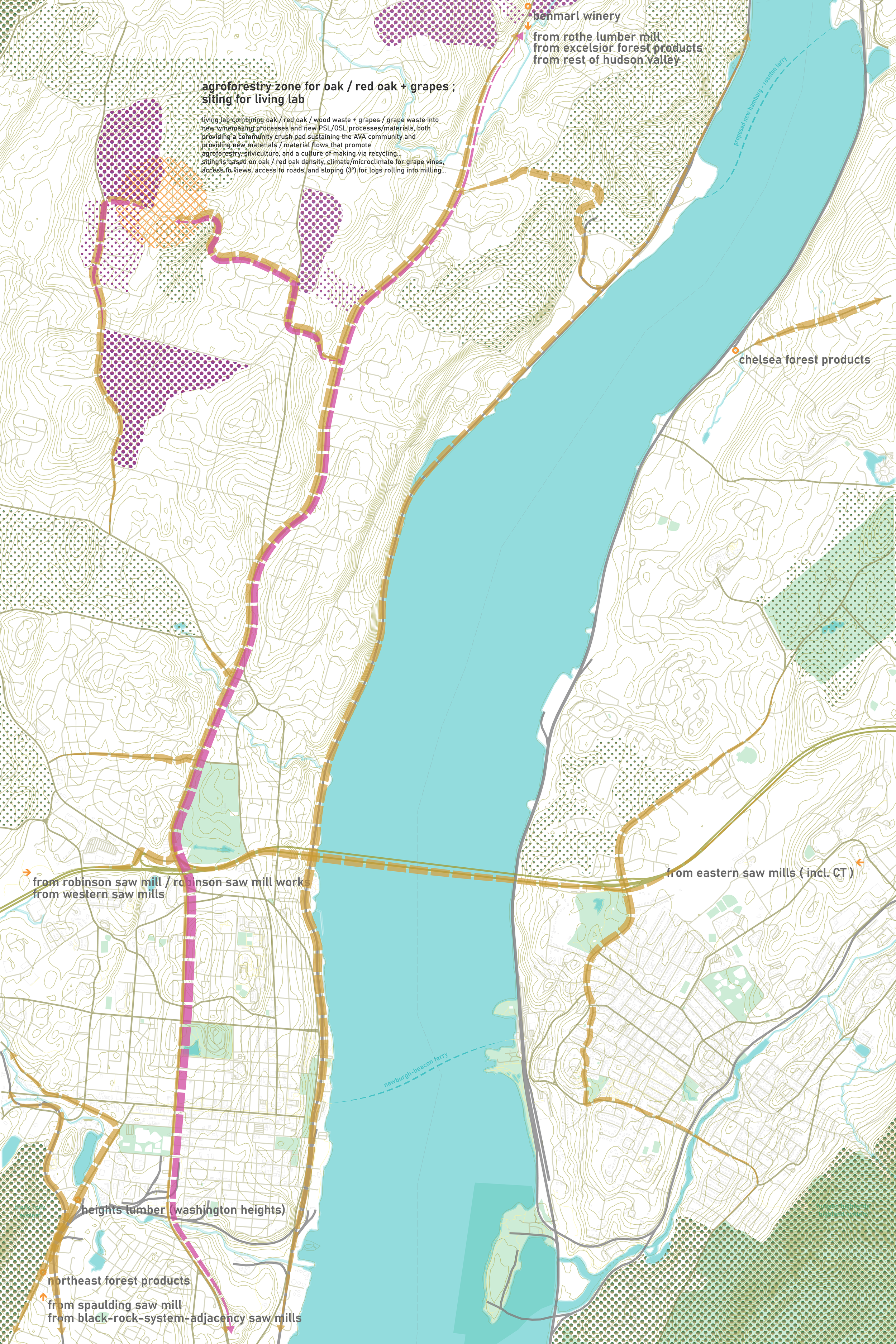
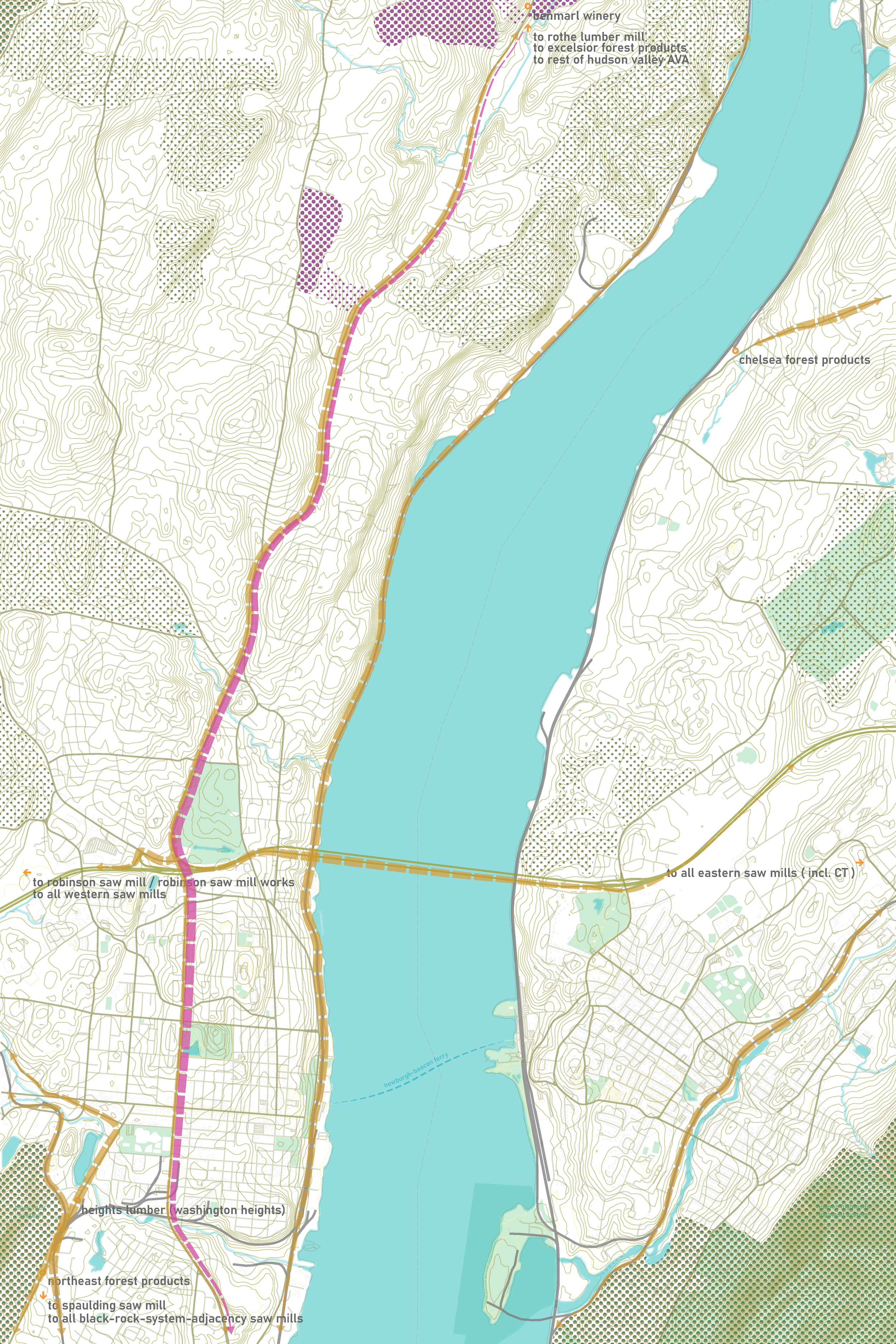
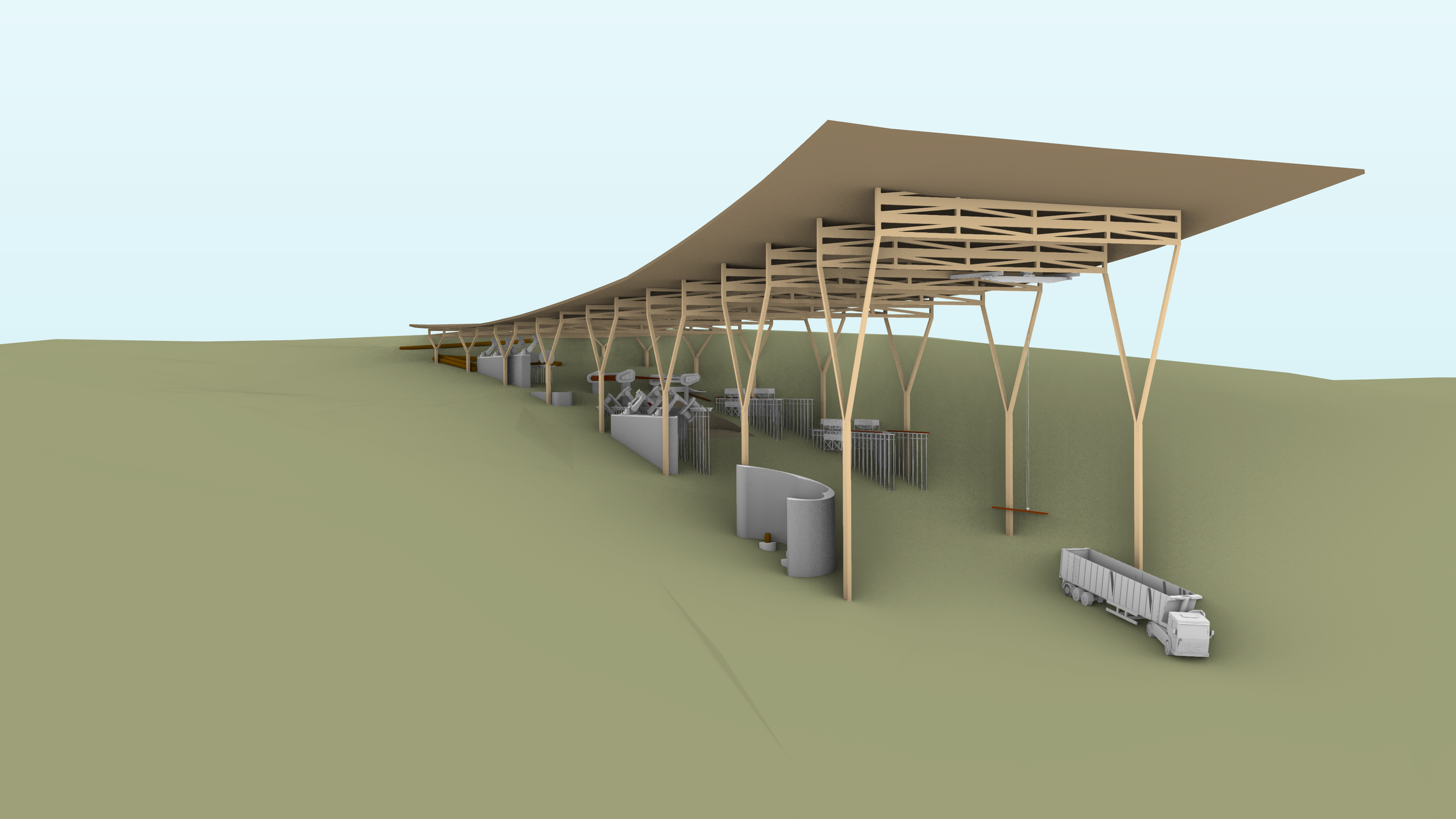
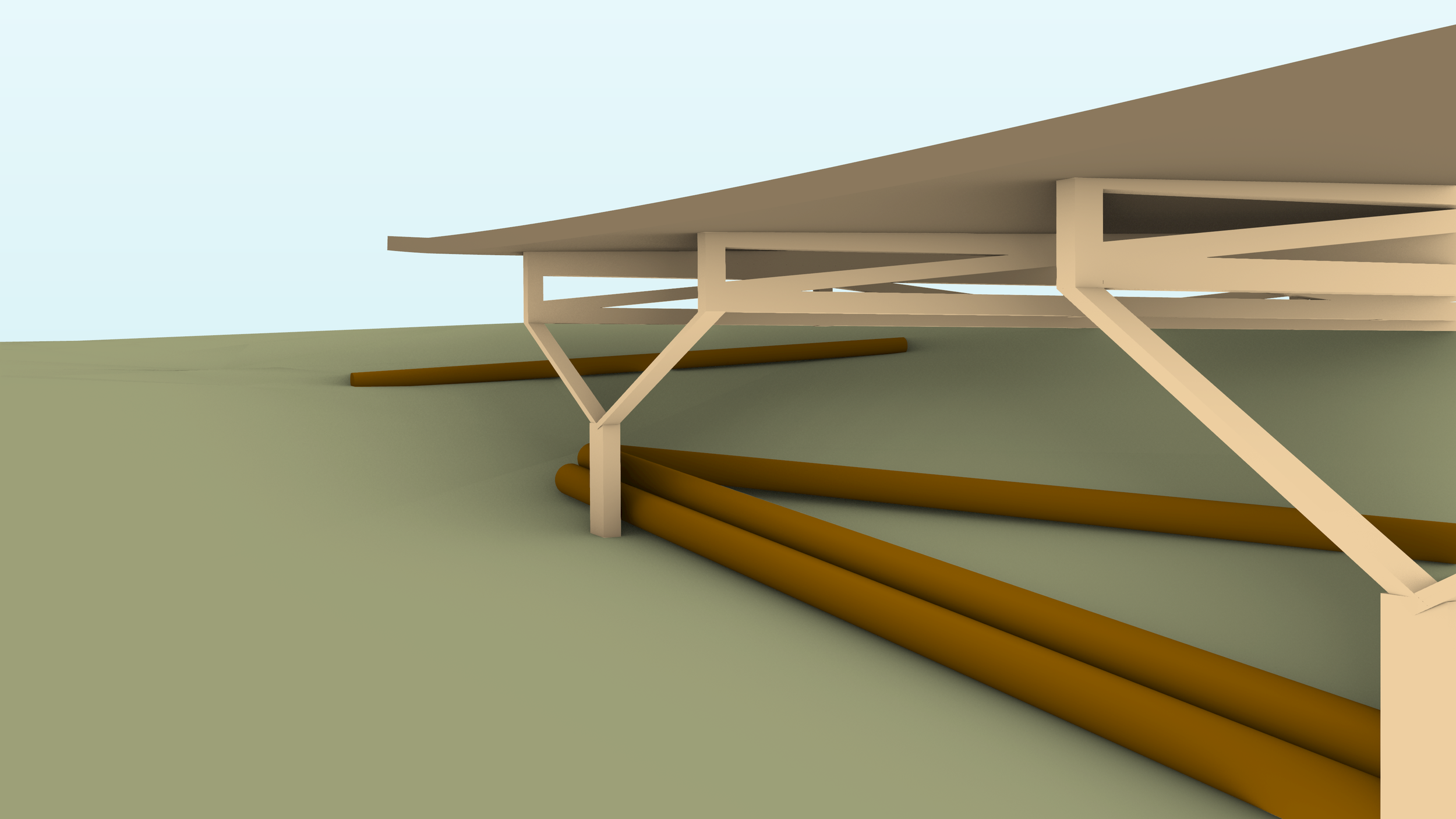
I started mapping flows of wood and wine through and throughout the Hudson Valley to locate where to best position this operation. In designing for the land, wood and wine fabrication, fabrication tech, and for ease of distribution of finished products, I was inspired by how the AA’s fabrication tech was incorporated into their completely open-air operation in Hooke Park. With that, I finally detailed out how to — literally — do it all under one roof.
In addition to that, I prototyped combining wood and wine waste into a pressed product and a liquid-type ceramic product requiring more experimentation.