![Abhinav Gupta — Interdisciplinary Designer — [ LAB ]](http://images.squarespace-cdn.com/content/v1/69c1974850338f4e69f78956/37e4d318-8d3b-4564-8df9-1b31fcec7c2b/abhinav-lab_logo_v3.png?format=750w)
room / not-room
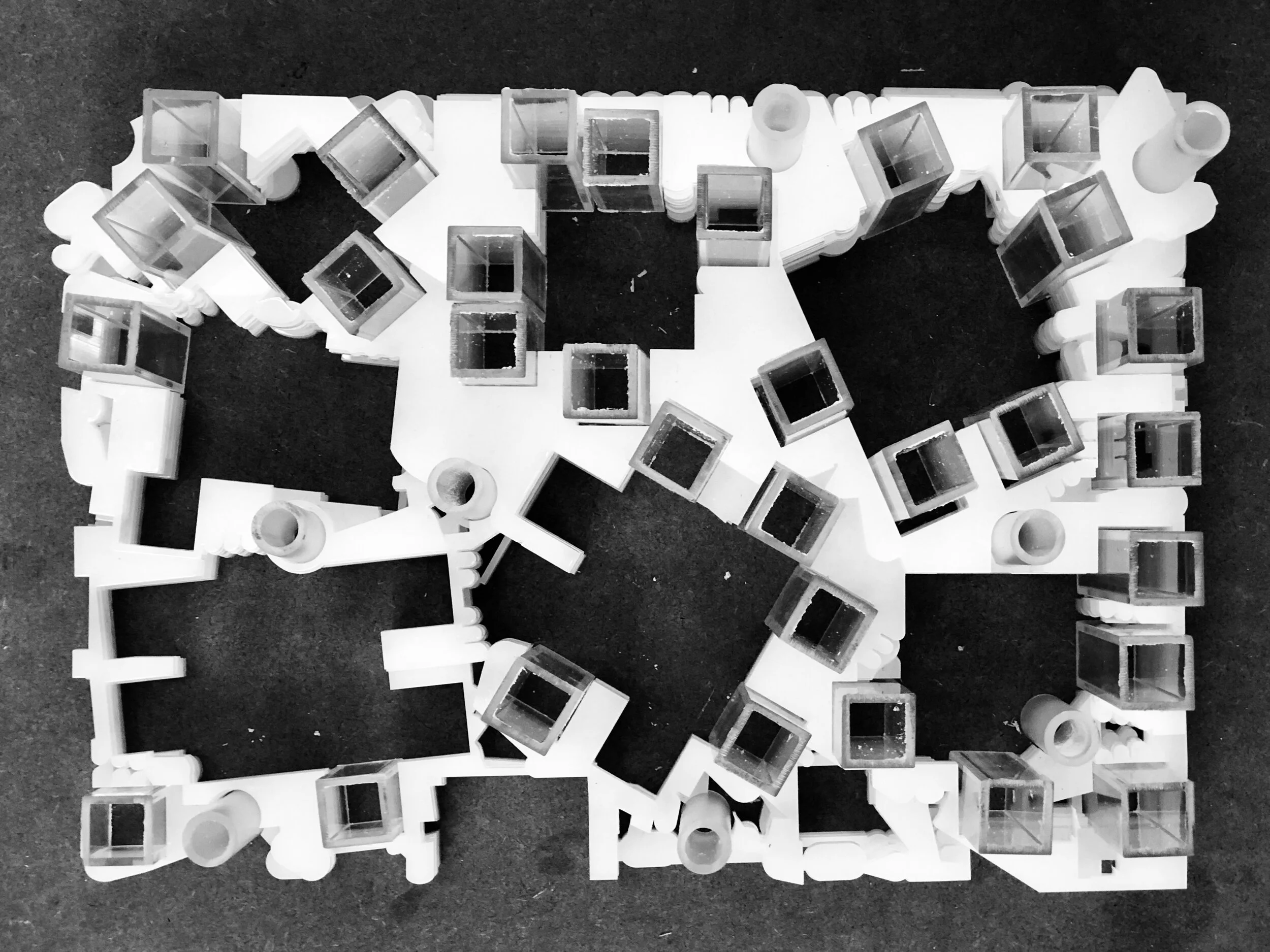
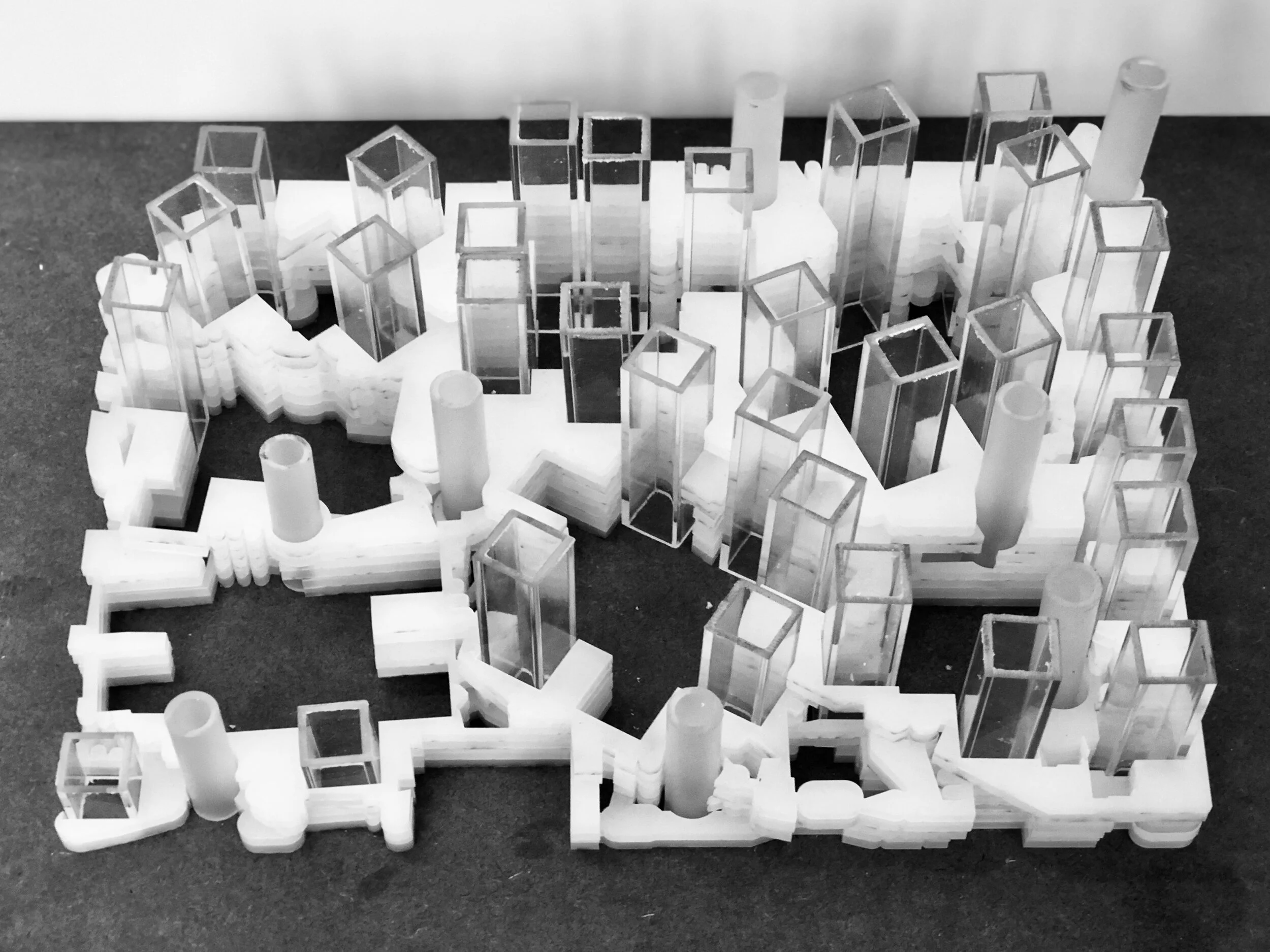
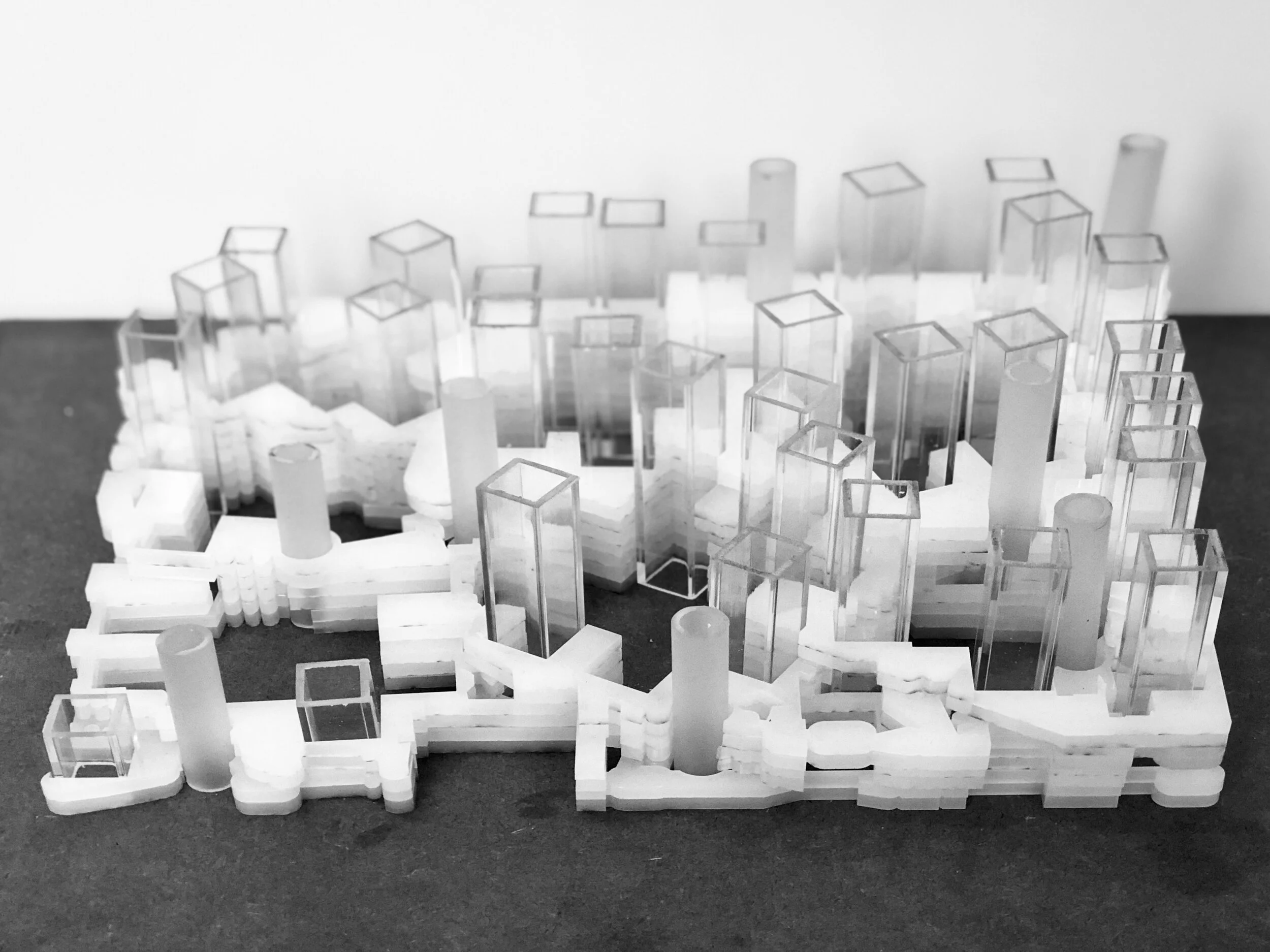
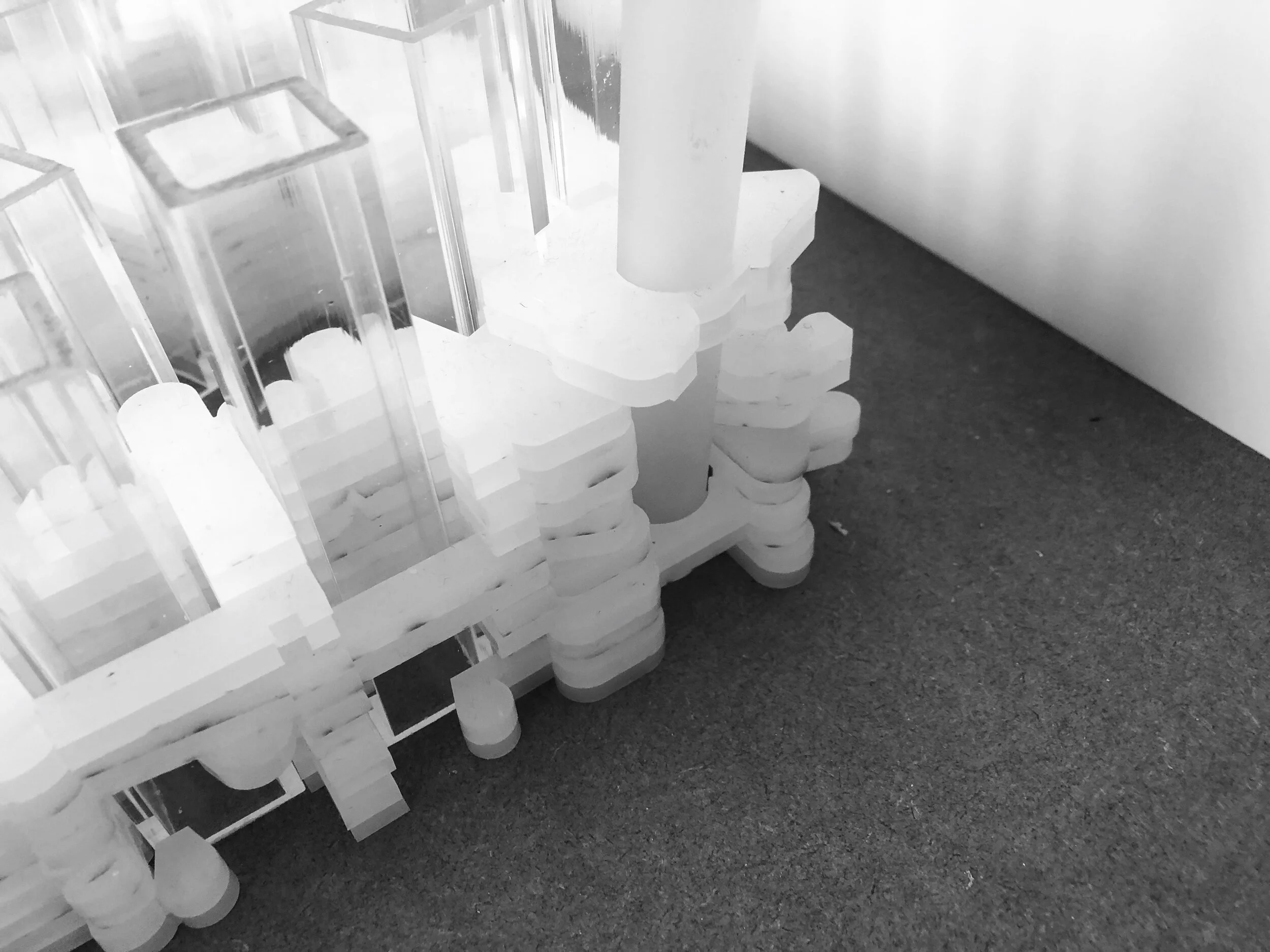
a new typology for housing
With a survey/ surveying people inhabiting our site in the Bronx, we found that people were repeating the same: ‘‘we love our homes and our neighbours; the thing is... we really hate our neighbourhood.’’ With that, we started by designing specific types of hybridized modular forms, more personally informed by the survey data we collected, to combine/recombine — recombinate — programmes to better resonate with that information.
We planned more interlinking more localized neighbourhoods by utilizing state-of-the-art generative systems to inform not only spacing, but orientation, and packing, of central courtyards/ courtyard pathways, and the clusters/clustering/neighbouring of these better-informed/performing modular forms. By setting some more conditions, like courtyards and courtyard exterior sides, elevator/stair cores, and living area cores, residents would possess a personalized ability to select their own specific programmatic desires expressed by what modular forms they add to their living cores — and connect/disconnect them as their needs shift. Now, they could realistically define for themselves that more localized/hyper-localized neighbourhood by way of architecture/ architectural form as a tool.
For example, most families in public housing in the site area generally have three generations living under one roof. More qualitatively, people noted that they disliked how their quality of life had worsened by what different generations do at different hours of the day — and how these hours are always changing as different generations age. With that noted, we started hybridizing these modular forms to either bring together or separate generations however they desired at any given time. The surveys allowed us to write, formally, narratives for how different people would live their best lives. Architecturally, we test these narratives in plan, so we developed plans (as seen below).
The project was published and re-published in different publications — most notably, it was publicly exalted by James Wines. The project was a collaboration with the brilliant Helen Winter.